

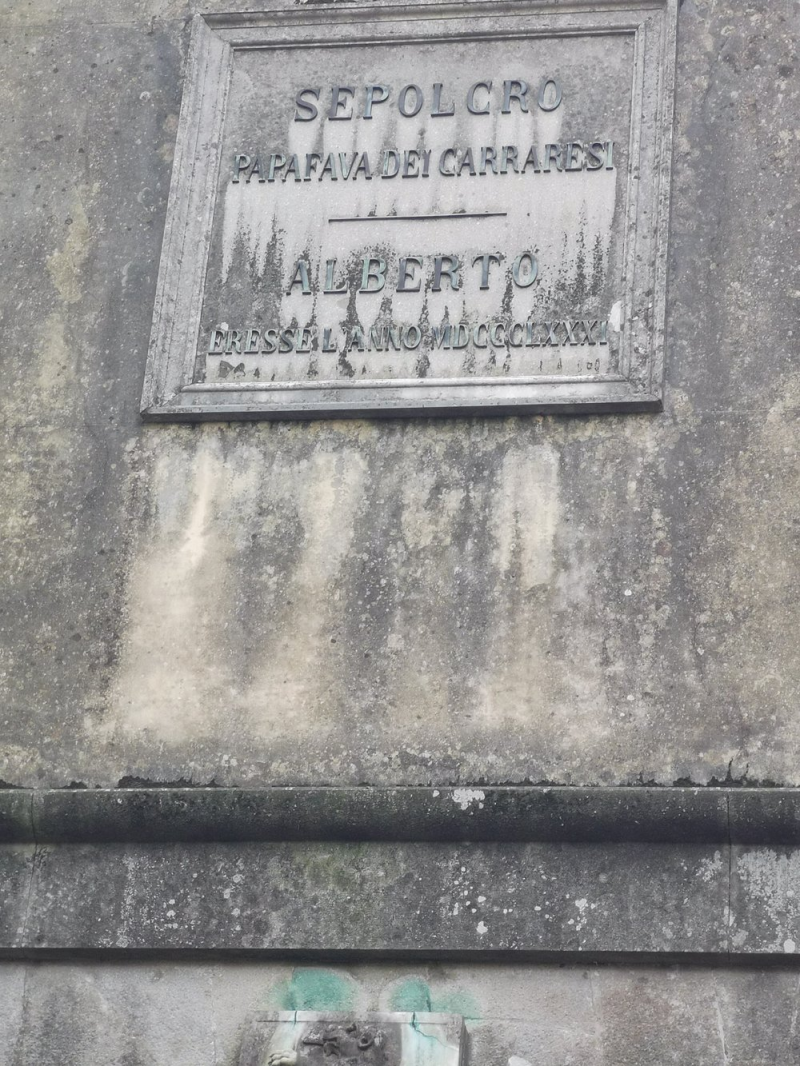
The Frassanelle Natural Park, located in Rovolon in the Euganean Hills, extends over 120 hectares and presents an enchanting landscape of hills and meadows. Created in 1860 by Alberto Papafava, the park is known for its artificial caves and the historic Villa Papafava, making it an ideal place for walks and guided tours.
History and Architecture Origins:
The Frassanelle estate has been owned by the Papafava family since the 13th century, with an important renovation that took place in 1860 under the direction of Alberto Papafava, who transformed the park into a natural work of art. The park hosts various points of interest, such as a cave and a bamboo grove, which enrich its history and offer spaces for contemplation.
- Renovation: Over the years, the park has undergone various restoration interventions, including those of the oratories located at the corners of the embankment, which date back to 1771. These buildings, restored, contribute to keeping the architectural history of the estate alive. Alberto Papafava created a romantic landscape, reclaiming swampy areas and introducing a lake, which today is an integral part of the golf course.
- Monumental Staircase: An imposing staircase connects the gastaldia to the villa, offering a scenic access to the top of the hillock, where the villa itself is located.
- Water Elements: The lake created by Alberto Papafava not only played a role in the reclamation of the land, but it also became a landscape element that enriches the aesthetics of the park.
- Renovation of Agricultural Spaces: The agricultural spaces, such as the cellar and the granary, have been renovated to host events and public activities, making the park a place of meeting and celebration. Artificial Caves: Under the villa, artificial caves were created that extend for about 300 meters. These caves, designed by Alberto Papafava in collaboration with the engineer Anacleto Rossi, offer a unique experience to visitors, similar to that of a natural cave.
- Romantic Expansion: Alberto's grandson, during the romantic period, further expanded the park, introducing a variety of plant species representing different climates and geologies, creating a botanical garden of great interest.
Flora and Fauna Flora:
The park is characterized by a mixed vegetation, which includes woods of oaks, chestnuts, and conifers, as well as flowery meadows and botanical gardens. Herbaceous plants and wildflowers, such as orchids, enrich the landscape, creating an ideal habitat for many species.
- Woods: The park hosts woods of oaks and chestnuts, which provide a habitat rich in biodiversity. These secular trees not only offer shade and shelter, but they are also fundamental for the ecological cycle of the park.
- Herbaceous plants: A variety of herbaceous plants, including wildflowers and orchids, bloom during spring and summer, creating a mosaic of colors that attracts pollinators such as bees and butterflies.
- Botanical gardens: The gardens within the park present native and exotic plant species, curated to educate visitors on the local flora and the importance of conservation.
- Flowery meadows: The dry meadows, known as "vegri", are unique habitats that host rare plant species and contribute to the ecological diversity of the park.
- Fauna: The fauna of the park is equally diversified, with the presence of mammals such as foxes, deer, and badgers. Birds, including raptors and passerines, populate the trees and meadows, while amphibians and reptiles find refuge in the watercourses and wetlands. The park is an important observation site for birdwatching enthusiasts and for those who love nature.
- Mammals: Among the mammals that inhabit the park are foxes, deer, badgers, and several species of rodents. These animals play a crucial role in maintaining the balance of the ecosystem.
- Birds: The park is a refuge for numerous species of birds, including raptors such as hawks and buzzards, and passerines that nest among the trees. The variety of habitats offers observation opportunities for birdwatching enthusiasts.
- Reptiles and Amphibians: The wetlands and watercourses of the park provide an ideal environment for reptiles such as snakes and lizards, as well as amphibians such as frogs and toads, which are indicators of environmental health.
- Invertebrates: The presence of a rich variety of invertebrates, including insects and arachnids, contributes to soil fertility and plant pollination.
- Conservation Projects: The park is actively involved in conservation projects to protect threatened species and restore natural habitats. This combination of flora and fauna, together with conservation efforts, makes Frassanelle Park a precious place for biodiversity and an important resource for environmental education.
Activities and Paths
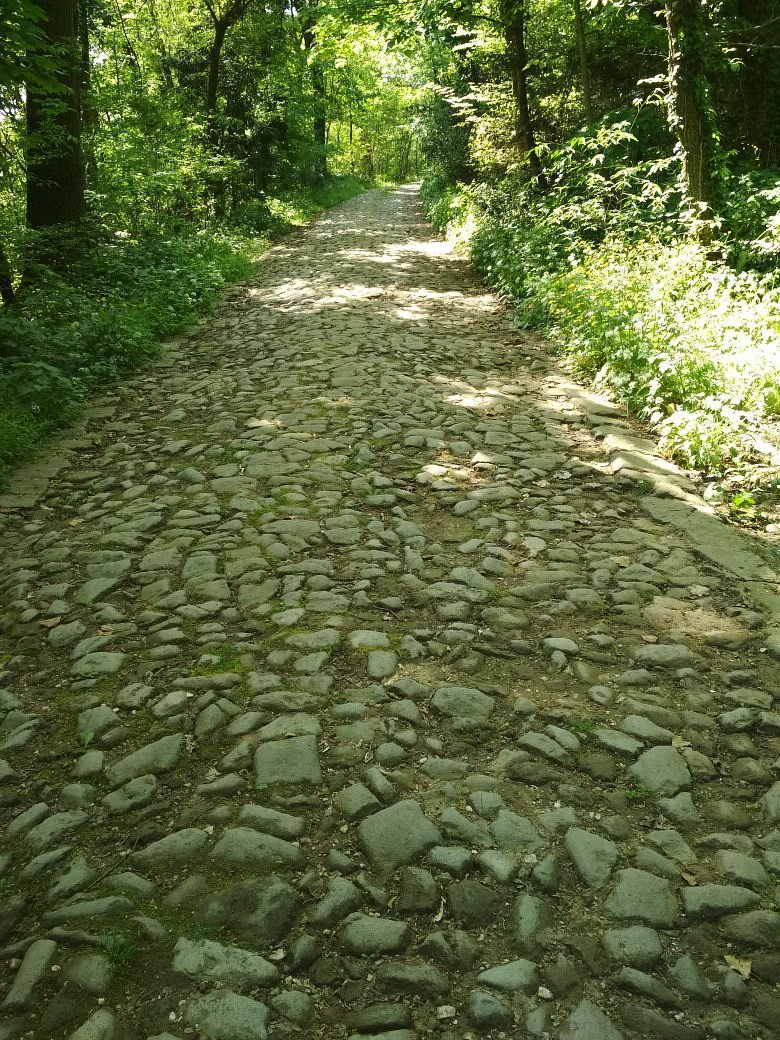
The park offers numerous paths for hiking and cycling, with thematic routes that allow you to explore the natural beauty of the area.
- Guided Tours and Workshops: The park offers guided tours conducted by expert naturalists, who educate visitors on the flora, fauna, and history of the park. Furthermore, practical workshops for children and adults are organized, focused on sustainability and conservation.
- Cultural Events: During the year, the park hosts cultural events, such as concerts, art exhibitions, and festivals, which promote local culture and involve the community.
- School Programs: The park collaborates with schools to develop educational programs that encourage young people to explore nature and understand the importance of conservation. The Frassanelle golf course is an additional attraction for sports lovers.
Initiatives and Projects
The Frassanelle Natural Park is a place not only of natural beauty, but also of active commitment to conservation and the promotion of sustainability. The initiatives and projects of the park aim to preserve the environment, educate the public, and promote responsible tourism. Collaborations with universities and local authorities are active to promote research and environmental conservation. The park has started projects to restore degraded natural habitats, such as the reclamation of wetlands and the planting of native trees. These actions aim to improve biodiversity and create a healthier environment for the local fauna.
Useful Information
For further details, it is possible to visit the official website of the Park and the tourist page of the Euganean Hills. Frassanelle, Via Frassanelle, 14 - 35030 Rovolon (PD) Tel: 049/651531 Email: info@frassanelle.it
Web site: www.frassanelle.it
In this context, Casa Luna presents itself as a perfect stay option for tourists who wish to explore the park and its wonders. Located nearby, Casa Luna offers a warm and comfortable welcome, allowing guests to fully immerse themselves in the natural and historical atmosphere of the area.
Guests of Casa Luna can enjoy easy access to the park's paths, participate in guided tours and educational activities, and take advantage of the tranquility and beauty of the surrounding landscape. Furthermore, the structure is an excellent starting point for exploring other attractions in the region, making the stay even more enriching.
FAQ
-
What are the Frassanelle caves? They are 19th-century artificial caves that perfectly recreate an underground natural environment.
-
Can you play golf at Frassanelle? Yes, the estate hosts a renowned 18-hole golf course surrounded by greenery.
-
Is the park accessible to dogs? Yes, dogs are allowed if kept on a leash, respecting the wild fauna.




"Do you want to delve into the history and secrets hidden behind the beauty of our territory? Download our free 10-page guide to plan your bespoke excursions and unlock the exclusive benefits of the Club Casa Luna."
Read our Pillar article: The Charm of Euganean History and Culture: Venetian Villas and Villages
Back to: "Culture and Surroundings"
Aggiungi commento
Commenti