

Montagnana is a fascinating town located in the province of Padua, known for its imposing medieval walls and its rich historical heritage. This article will explore the wonders of Montagnana, its traditions, gastronomy, and the attractions not to be missed.
History of Montagnana
Ancient Origins
-
Roman Foundation: Montagnana has origins dating back to the Roman era, when it was known as "Mons Aegidus". Its strategic position along communication routes made it an important commercial and military center.
-
Archaeological Ruins and Remains: During archaeological excavations, remains of Roman buildings, coins, and ceramics were found, testifying to the importance of the city in antiquity.
Medieval Development
-
Growth in the Middle Ages: With the invasion of the Longobards and subsequently the Franks, Montagnana developed as an important defensive outpost. The walls began to be built in the 13th century to protect the population from external attacks.
-
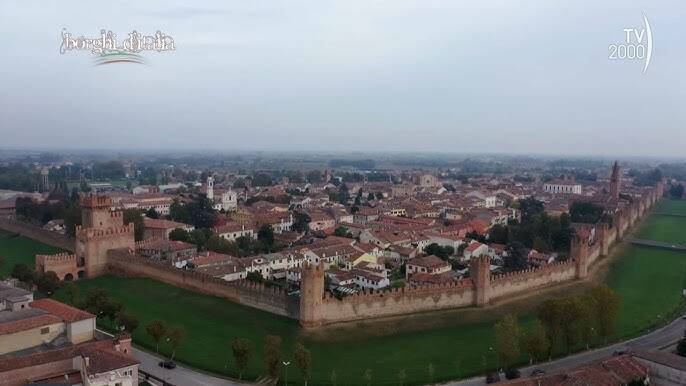
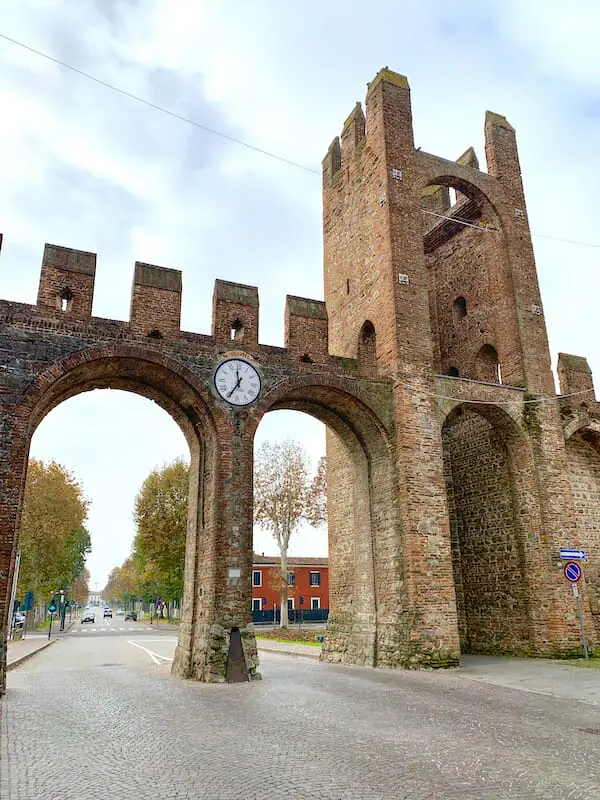
The Walls of Montagnana: The walls, which we can admire today, were completed in the 14th century and are among the best-preserved in Europe. With a length of about 2,500 meters, they include towers and gates that tell stories of battles and defenses.
The Period of the Serenissima
-
Venetian Rule: In 1405, Montagnana became part of the Republic of Venice, a period that brought economic and cultural prosperity. The city became an important center for commercial and cultural exchanges.
-
Renovations and Development: During the Venetian rule, renovation and expansion works were carried out on the walls and public buildings, contributing to giving the city its current appearance.
Renaissance and Beyond
-
Culture and Art: Montagnana became a center of culture and art during the Renaissance, with the construction of churches and palaces reflecting the architectural style of the era.
-
Decline and Revival: With the fall of the Republic of Venice in 1797, Montagnana underwent a period of decline. However, in the 19th century, the city began to rise again thanks to industrialization and modernization.
Montagnana Today
-
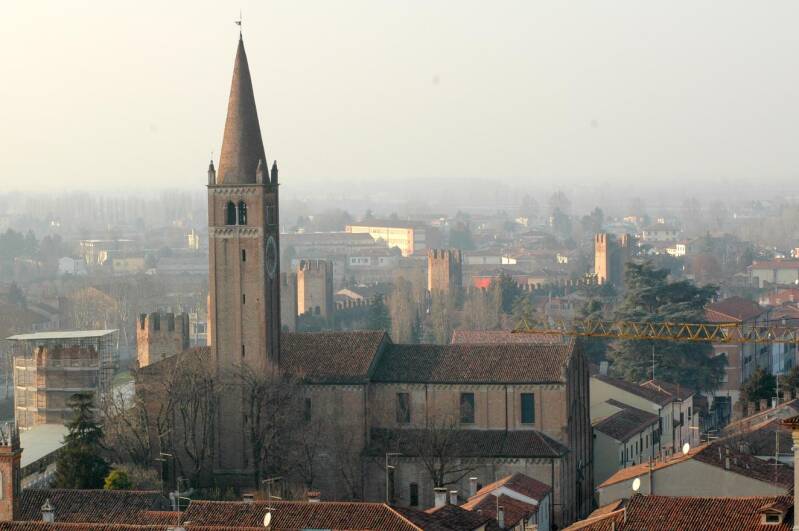
Cultural Heritage: Today, Montagnana is recognized for its cultural and historical heritage, attracting visitors from all over the world. Its walls, the San Zeno Castle, and the Duomo are just some of the attractions that tell the fascinating story of this city.
-
Events and Traditions: Montagnana continues to celebrate its historical traditions with annual events, such as the Feast of the Madonna del Carmine and the Palio of Montagnana, which evoke medieval history and local culture.
The Walls of Montagnana:
A Masterpiece of Military Architecture
The walls of Montagnana are among the best-preserved in Europe and represent an extraordinary example of medieval military architecture. Built between the 13th and 14th centuries, these imposing structures not only served to protect the city from external attacks but also reflected the power and wealth of the local community.
Structural Features
-
Length and Thickness: The walls extend for about 2,500 meters and reach a height of over 10 meters in some points. Their width varies, but on average, it is about 2-3 meters, making them an imposing barrier.
-
Towers and Gates: The walls are interspersed with 24 towers, many of which are still visible and in good condition. These towers served as observation and defense points. The main gates, such as Porta Padova and Porta Vicenza, were the primary entrances to the city and are decorated with architectural elements that testify to the strategic importance of Montagnana.
Defensive Function
-
Military Strategy: The walls were designed not only to defend the city but also to control commercial traffic and access routes. Their strategic position allowed for monitoring enemy movements and responding quickly to any attacks.
-
Renovations and Maintenance: Over the centuries, the walls have undergone several renovations to maintain their integrity. During the period of the Republic of Venice, reinforcement and expansion works were carried out to adapt them to new warfare technologies.
A Heritage to Discover
-
Walk on the Walls: Today, visitors can walk a section of the walls, enjoying a panoramic view of the city and the surrounding landscapes. This route offers a unique experience to understand the history and strategic importance of Montagnana.
-
Cultural Events: The walls of Montagnana are not only a historical monument but also a place for cultural events. During the year, demonstrations and historical re-enactments are held that enliven the walls and bring the medieval history of the city back to life.
Conservation and Valorization
-
Restoration Projects: In recent years, restoration projects have been launched to preserve the walls and ensure they remain a heritage for future generations. These efforts include cleaning the structures, restoring the towers, and enhancing the site through educational activities.
-
UNESCO Recognition: The walls of Montagnana, together with other historical sites in the region, have been nominated for recognition as a UNESCO World Heritage Site, highlighting their historical and cultural importance.
Main Attractions
-
City Walls: The medieval walls of Montagnana are among the best-preserved in Europe, offering an impressive view of the city and an opportunity for panoramic walks.
-
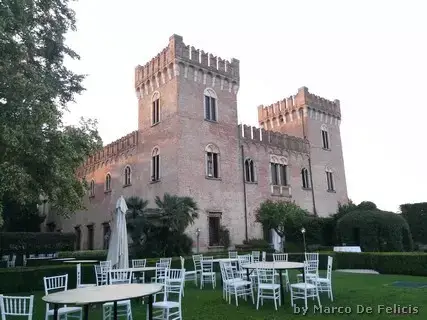
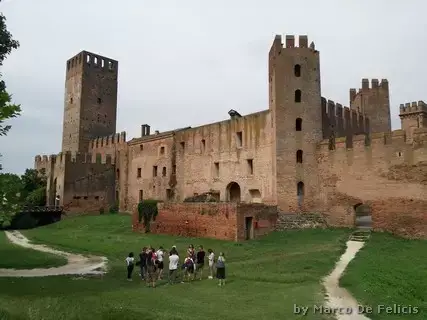
San Zeno Castle: This castle, next to the Ezzelino Keep, is a fascinating example of military architecture and offers a historical view of the city and its surroundings.
-
Duomo of Santa Maria Assunta: The main parish of Montagnana, with its Gothic architecture and frescoes, is a significant place of worship and a cultural landmark.
-
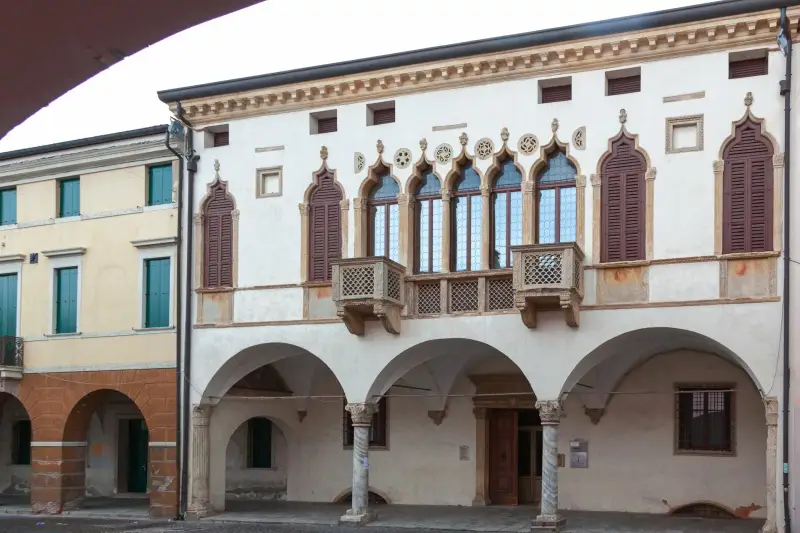
Palazzo Magnavin Foratti: An elegant Renaissance palace that hosts cultural events and exhibitions, representing an important testimony to the aristocratic history of the city.
-
Church of San Francesco: This church, with its unique architectural style and works of art, is another place of interest to visit for lovers of history and art.
-
Porta XX Settembre: One of the historic gates of the city, offering fascinating access to the walls and the history of Montagnana.
Traditions and Culture
Festivals and Celebrations
-
Feast of the Madonna del Carmine: This religious festival is held every year in July and celebrates the patron saint of the city. It includes processions, religious events, and festivities involving the local community. It is a moment of great participation and renewal of faith.
-
Palio of Montagnana: It takes place every year in September and evokes the medieval traditions of the city. The Palio is a competition between local districts (contrade), which challenge each other in games and races, creating an atmosphere of celebration and friendly rivalry. During the event, participants wear historical costumes, making the atmosphere even more evocative.
-
Feast of the Sagra di San Giovanni: This festival is held in June and celebrates the patron saint of the city with religious events, concerts, and markets. It is an opportunity to taste typical dishes and discover local craftsmanship.
Craft Traditions
-
Local Craftsmanship: Montagnana is known for its craft traditions, particularly in woodworking and ceramics. Local artisans produce unique objects that reflect the culture and history of the city.
-
Weekly Market: Every Thursday, Montagnana hosts a lively market where visitors can buy fresh products, local crafts, and gastronomic specialties. This market is an important tradition that unites the community and promotes the local economy.
Gastronomy
-
Prosciutto Crudo di Montagnana (Cured Ham): This typical product is famous throughout Italy and represents one of the gastronomic specialties of the city. Its production follows traditional methods dating back centuries. It is often served in combination with local wines and cheeses.
-
Typical Dishes: In addition to the ham, Montagnana offers a variety of typical Venetian dishes, such as risottos, polentas, and meat-based dishes. Local restaurants offer menus that celebrate traditional cuisine, using fresh and seasonal ingredients.
Culture and Art
-
Theater and Music: Montagnana has a vibrant cultural scene, with theatrical events and concerts taking place throughout the year. The local theater hosts shows by theater companies and concerts by emerging artists.
-
Museums and Galleries: The city hosts several museums and art galleries that exhibit works by local artists and tell the story of the city. These cultural spaces are important for the enhancement of the artistic and historical heritage of Montagnana.
Folk Traditions
-
Legends and Tales: Montagnana is rich in legends and folk tales passed down from generation to generation. These stories, often linked to historical events or local figures, contribute to creating a sense of identity and belonging among the inhabitants.
-
Traditional Costumes: During festivities and historical re-enactments, citizens wear traditional costumes that reflect the history and culture of the city. These costumes are a way to keep traditions alive and to educate new generations about their cultural heritage.
Conclusion
Montagnana is a historical gem that offers a unique experience between culture, traditions, and architectural beauty. Its imposing walls, historical monuments, and vibrant local celebrations make this city a fascinating place to explore. Whether you are a history buff, a food lover, or simply looking for an authentic atmosphere, Montagnana has something to offer everyone.
To make your visit even more memorable, consider staying at Casa Luna, a cozy structure located near the Euganean Hills. Casa Luna offers a relaxing and comfortable environment, ideal for recovering energy after a day of exploration. Guests can enjoy tastefully furnished rooms, attentive service, and the possibility of savoring local cuisine. Furthermore, Casa Luna is the perfect starting point to visit Montagnana and its attractions, as well as to explore the wonderful landscapes of the Euganean Hills.
After a day spent discovering the history and culture of Montagnana, you can return to Casa Luna to relax and enjoy the tranquility of the Venetian countryside.
FAQ:
-
How far is Montagnana from Casa Luna? Montagnana is about a 35-40 minute drive from Montegrotto Terme.
-
Can you walk on the walls? Yes, you can walk along certain panoramic sections that offer a splendid view of the city.
-
What is the most famous local product? Undoubtedly the Prosciutto Veneto Berico-Euganeo DOP, sweet and delicious.









"Do you want to delve into the history and secrets hidden behind the beauty of our territory? Download our free 10-page guide to plan your bespoke excursions and unlock the exclusive benefits of the Club Casa Luna."
Read our Pillar article: The Charm of Euganean History: Venetian Villas and Villages
Aggiungi commento
Commenti