

Today Montegrotto Terme is synonymous with well-being, cutting-edge SPAs, and quality hospitality. But before becoming a modern tourism destination, this place was a mandatory stop for an elite group of cultured and adventurous travelers: the protagonists of the Grand Tour. Imagine not a resort, but a placid countryside, where the steam rising from the earth was the only sign of a thermal power that sank its roots into the remotest antiquity. How did this transformation happen? Let's find out together, in a journey between yesterday and today.
The "Before": Montegrotto and the Age of the Grand Tour (18th - 19th Century)
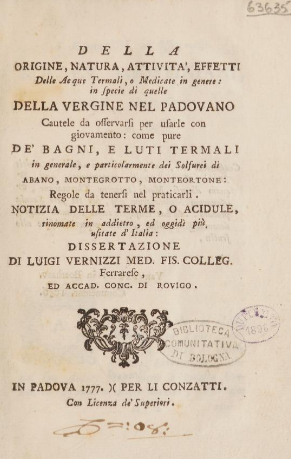
Between the eighteenth and nineteenth centuries, the Grand Tour was the quintessential educational journey for young European aristocrats, especially English and German. Italy was the main destination, and the Euganean Spas, already famous for their waters, were a stop of great interest.
The Landscape: A Still Wild Territory
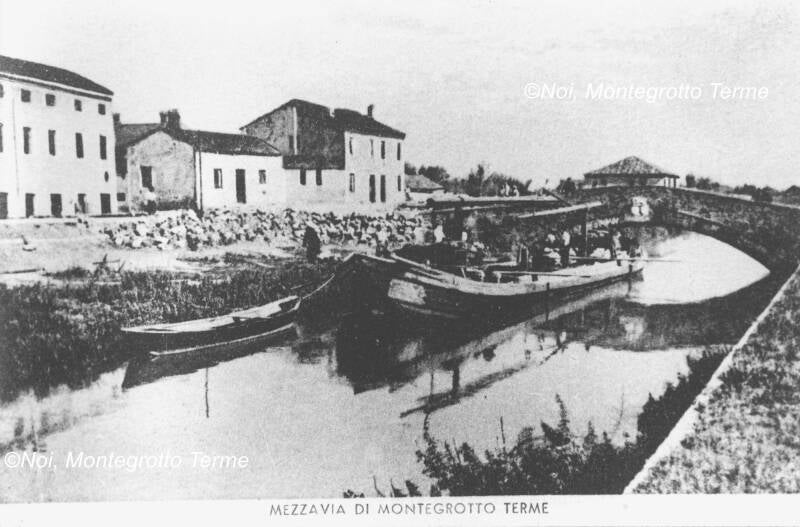
In place of modern hotels stood inns and country villas, humble structures that offered little more than a roof and a bed. The spas themselves, although frequented, were far from today's standards of comfort. Travelers arrived here after visiting Venice or Padua, often by carriage, crossing a silent and evocative countryside, where the landscape was dominated by the gentle profiles of the Euganean Hills – those same Hills that still perfectly frame Montegrotto today. Nature in this area is particular: the volcanic hills, a legacy of remote geological activity, create a unique microclimate where thermal steam emerges naturally from the ground. The Euganean Hills are not simple mountains, but silent witnesses to an extraordinary geothermal wealth that made this territory special since antiquity.
The Thermal Experience: Therapy, Not Relaxation
The treatments were a serious and spartan affair, far from the modern idea of a luxurious spa. People immersed themselves in ancient Roman pools or simple structures, following rituals linked more to medical therapy than to relaxation. Guests followed strict protocols: immersions in hot waters, applications of thermal mud, steam baths – all with the aim of treating specific afflictions, not enjoying a day of pleasure. Yet the charm was immense: people came here not only to heal from rheumatism, skin disorders, or respiratory problems, but also to see with their own eyes the places described by Latin authors – Pliny the Elder had already written about the miraculous properties of these waters.
The Characters of the Grand Tour and Their Stories
European writers, poets, and intellectuals passed through Montegrotto, leaving traces in their diaries. The English writer Thomas Cook, who would later become the pioneer of modern tourism and founder of the first travel agency, was deeply fascinated by this combination of nature, history, and health. His vision of organized travel would be born precisely from the idea of making accessible to more people what was initially a privilege of the aristocracy. German aristocrats, curious English travelers, Venetian nobles: all converged in Montegrotto for that unique experience that combined the search for healing with the study of ancient civilizations. It was a deeply cultured form of tourism, where every visit to a Roman ruin was a moment of historical meditation.
The Motivation for the Trip: More Than a Simple Vacation
It was not a simple escape from the chaos of the city. It was a cultural pilgrimage towards the roots of classical civilization. The remains of the Roman baths of Montegrotto were a tangible testimony of that lost greatness, a silent dialogue with the Roman Empire. Travelers returned home not only healed but culturally enriched, with fascinating stories to tell in the salons of Europe.
The Turning Point: The Twentieth Century and the Birth of Mass Tourism
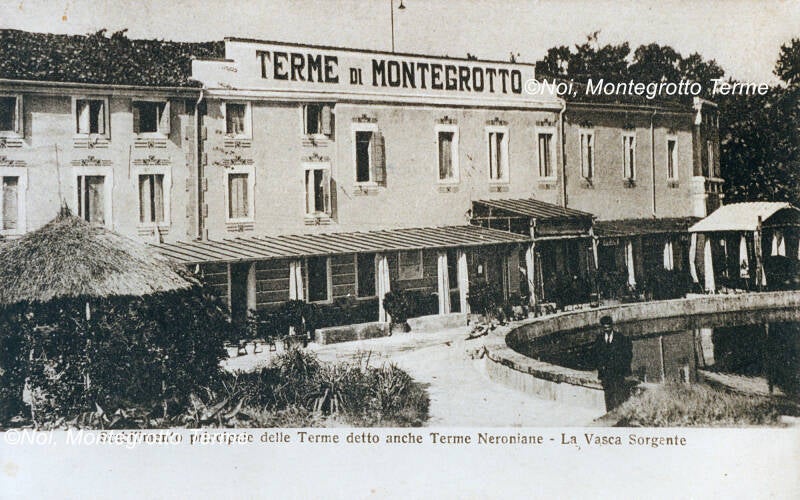
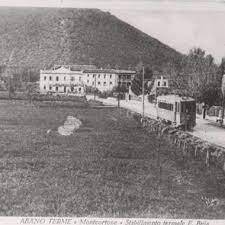
The crucial transition occurred in the 20th century. Improvements in infrastructure, the advent of the railway, and the growth of the middle class made travel accessible to a much wider audience. The railway reached Montegrotto at the beginning of the twentieth century, radically changing the dynamic: no longer days of travel by carriage, but a few hours from Venice or Padua.
From Inns to Grand Hotels: The Modern Infrastructure
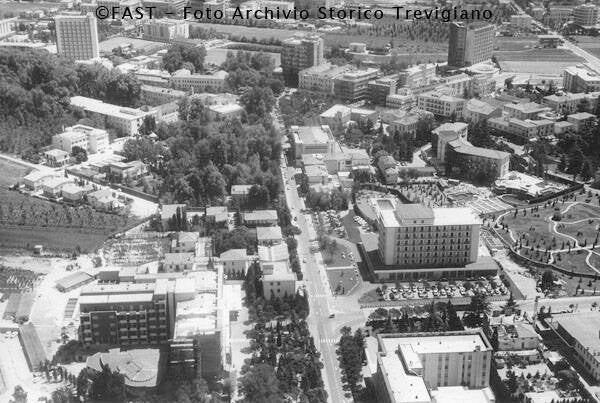
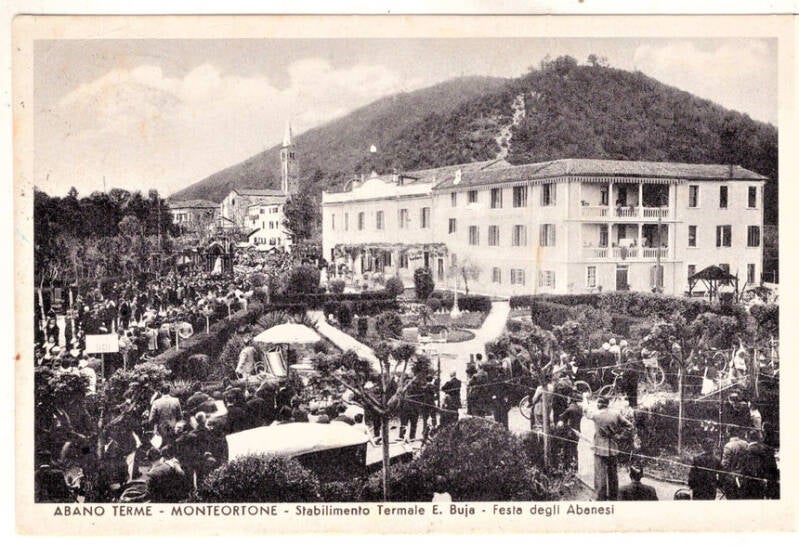
The first grand hotels specifically dedicated to thermal clientele began to rise. It was no longer just a room in a rural inn, but a complete package: comfortable stay, standardized treatments, and full board. Thus was born the identity of Montegrotto as a "thermal station" in the modern sense of the term. These hotels were built with ambition: elegant structures, spaces dedicated to treatments, refined dining rooms. The architecture of those years reflects this transition – eclectic buildings that mix European style with Art Nouveau elements, witnesses to an era of optimism and modernization.
The Medicalization of Treatments: From Tradition to Science
The spas became a therapeutic facility recognized by health authorities. Treatments were increasingly standardized and based on rigorous scientific studies. Thermal mud and water were analyzed in laboratories, their properties codified and documented. Specific minerals – silica, sodium, potassium – were identified and their beneficial properties explained by modern science. This transition from folk tradition to official medicine gave a new authority to Montegrotto. It was no longer just "they tell us it's good," but "it's scientifically proven." Doctors specialized in balneology began to recommend the thermal stay as an official cure.
Demographic Evolution: From the Wealthy to the Average Tourist
While in the Grand Tour visitors were aristocrats and wealthy people, in the twentieth century employees, teachers, and small shopkeepers began to arrive. Thermal treatments became accessible to the middle class. This led to a multiplication of tourist capacity and an urban transformation of Montegrotto, which from a country village began to transform into a structured tourist center.
The "After": Montegrotto Today, Between Wellness and Experience
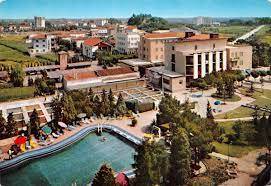
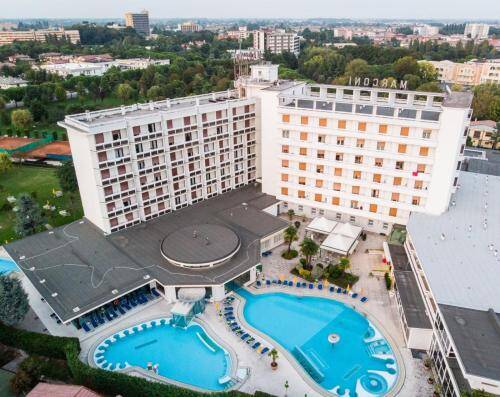
Today, Montegrotto's offer has evolved to respond to the needs of the contemporary tourist, who seeks not only physical health but a 360-degree wellness experience.
The Landscape: Modernity and Historical Memory
A welcoming and vibrant center, with high-level hotel structures, specialized restaurants, quality shops, and modern services. Yet – and this is where Montegrotto remains special – the link with history is not lost. Archaeological areas are valued and integrated into the urban fabric: you walk through the streets of the city and still encounter Roman ruins, the remains of ancient pools, fragments of a past that has not been erased by development.
The Contemporary Thermal Experience: From Curative to Holistic
Modern SPAs have joined traditional treatments. The focus has shifted from the purely medical to holistic wellness: relaxation, beauty, mindfulness, regeneration of the spirit. Whirlpool tubs with chromotherapy, treatments with essential oils, sensory paths in luxury SPAs – all this represents the evolution of the ancient thermal experience. Yet, next to the modern whirlpool tub, one can still see the ancient Roman tub, a reminder of the millennial origins of that well-being. It is a fascinating dialogue between past and present: contemporary wellness science talking with the ancient wisdom of thermal waters.
The Motivation for the Trip: From Pilgrimage to Regenerating Escape
Today people come to Montegrotto to regenerate, for an escape from urban chaos, for a weekend of pampering. It is an experiential tourism, which deeply appreciates the quality of hospitality, good food (Venetian cuisine is extraordinary), and the possibility of exploring a territory rich in history and natural beauty. But there is still an element of the Grand Tour in this choice: the awareness that one is visiting a place full of meaning, where history is not only in museums but in the streets, where nature still has the power to heal and regenerate.
Testimonials from Modern Visitors
Guests staying in Montegrotto today talk about that special feeling: the liberation from stress, the contact with history, the regenerating effect of the waters. Many return every year, creating a family tradition. Entrepreneurs who find mental regeneration here between a thermal treatment and a visit to the Roman ruins; families who teach children history while relaxing in the pool; couples who rediscover connection in the tranquility.
What Has Remained Unchanged? The Red Thread of History
Despite the enormous changes, some elements have remained incredibly similar:
The Call of the Waters
The heart of everything remains the healing power of thermal waters, a gift of nature that fascinated the Romans, the Grand Tour travelers, and that attracts us today. That same hot water, rich in minerals, that gushed from the earth 2000 years ago, continues to gush today with the same properties. It is a geological continuity and a continuity of benefits that no change can erase.
The Search for Well-being
Yesterday as today, people come here to feel better, whether they are looking for a specific medical cure, a solution for rheumatism or osteoarthritis, or a relief from contemporary stress. The need for regeneration is human, and Montegrotto continues to respond to this need with consistency.
The Beauty of the Territory
The gentle profiles of the Euganean Hills have always framed Montegrotto, offering that setting of natural serenity that is an integral part of the cure. These landscapes inspired poets, amazed Grand Tour travelers, and continue to surprise modern visitors. The particular geology of this area – with its thermal emergences, its particular flora, the light that illuminates the hills – creates a unique atmosphere that is hard to forget.
Casa Luna: Living History in the Present
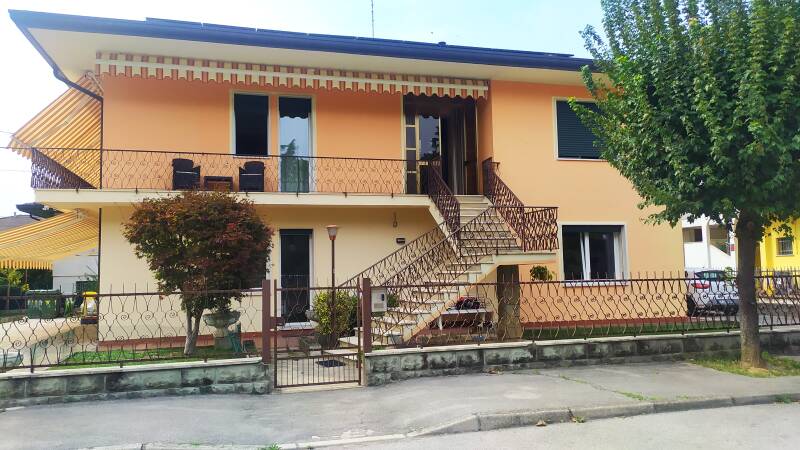
Staying at Casa Luna means having a perfect base to explore all the layers of this extraordinary history. You are not anonymous guests in a large resort, but you live Montegrotto as part of its community. From your holiday home, you can easily reach the Roman ruins – literally a few steps away – immerse yourself in modern quality SPAs, enjoy typical Venetian cuisine in a local restaurant, and then, in the evening, return to the tranquility of a home that resembles more the authentic hospitality of the past than the anonymity of a large hotel. Casa Luna embodies precisely that fascinating combination of ancient and modern that characterizes Montegrotto: it offers contemporary comforts (convenience, technology, modern services) while maintaining the authentic spirit of the place, the genuine hospitality, the possibility of being in contact with history not as a tourist in transit, but as a guest who discovers slowly, calmly. Just like the travelers of the Grand Tour, but with all the comforts of the present.
Your Chapter in History
Montegrotto Terme is not simple tourism. It is a place where history still breathes, where the past and the present dialogue continuously, where the waters that healed the ancient Romans continue to regenerate those who know how to listen to their call.
Book your stay at Casa Luna and write your personal chapter in the long, fascinating history of tourism in Montegrotto Terme. Whether you are looking for healing, regeneration, connection with history, or simply an escape from chaos, Montegrotto – and Casa Luna – is waiting for you.
FAQ:
-
What were Grand Tour travelers looking for in Montegrotto? They sought the roots of classical civilization by visiting the remains of Roman baths and healing their bodies with the miraculous waters described by Latin authors.
-
How has the thermal experience changed today? It has evolved from purely medical therapy to a holistic experience that combines health, relaxation, aesthetics, and spirit regeneration in modern SPAs.
-
Why stay at Casa Luna to visit Montegrotto? Because it offers the freedom to live the city like a local, just steps away from archaeological areas and the best SPAs, combining modern comfort and authentic hospitality.










"Do you want to delve into the history and secrets hidden behind the beauty of our territory? Download our free 10-page guide to plan your bespoke excursions and unlock the exclusive benefits of the Club Casa Luna."
Read our Pillar article: Mysteries and Legends: Millennial Stories of the Territory
Back to: Culture and Surroundings
Aggiungi commento
Commenti