

The Euganean Hills, with their gentle shapes, lush vineyards, and beneficial waters, have always been a magnet for noble spirits, thinkers, and artists. Montegrotto Terme, the beating heart of this territory, is no exception. If the name of Francesco Petrarch resonates strongly, linked to his final years spent in Arquà, the truth is that these lands have inspired and welcomed many other figures, sometimes less celebrated but equally significant, who have left an indelible mark on the historical, artistic, and scientific landscape. Let's explore some of these stories together, to rediscover the charm of a territory that goes far beyond its renowned thermal and scenic virtues.
1. Poets, Writers, and Humanists: Voices of the Euganean Hills
The Euganean Hills have always represented a refuge and a source of inspiration for the most sensitive minds, attracting figures who have enriched the Italian literary landscape.
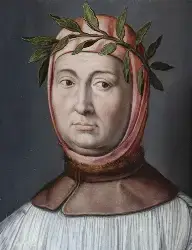
- Francesco Petrarch (1304-1374) Let's start with the giant. Although his fame is linked to immortal works such as the Canzoniere and the Trionfi, it was in Arquà Petrarca, one of the most beautiful villages in Italy and just a breath away from Montegrotto, that the poet laureate chose to spend the last years of his life. Here, among the green of the hills and the quiet of the countryside, he sought peace and inspiration for his works, far from the tumult of courts and cities. His home, today the Casa del Petrarca, is a museum that preserves his memory and objects, a tangible testimony of a deep and felt bond with this land, which continues to reverberate for every visitor.
- Ippolito Nievo (1831-1861) A few kilometers from Montegrotto, in the suggestive Villa Nievo in Colloredo di Montalbano, Ippolito Nievo was born, a multifaceted figure of a writer and ardent patriot of the Italian Risorgimento. His most famous work, The Confessions of an Italian (also known as The Confessions of an Octogenarian), is a masterpiece that paints a vivid and often ironic fresco of pre-unification Venetian society. Nievo was a convinced Garibaldian, a journalist, a novelist capable of penetrating the soul of an era. His life, cut short prematurely and mysteriously at sea upon returning from the Expedition of the Thousand, adds a veil of romanticism and tragedy to his figure, making him a romantic hero and a keen observer.
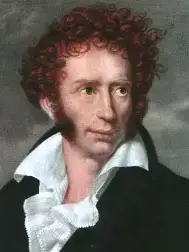
- Ugo Foscolo (1778-1827) Another giant of Italian literature, Ugo Foscolo, although not originally from these places, visited and appreciated the spas and the Euganean Hills. His work, steeped in neoclassical and pre-romantic themes, and his strong attachment to the fatherland, find an echo in a territory that has always inspired great feelings. It is said that in Abano and Montegrotto he found inspiration and moments of reflection, absorbing the serenity of the landscape and the healing properties of the waters, elements that could nourish his restless spirit.
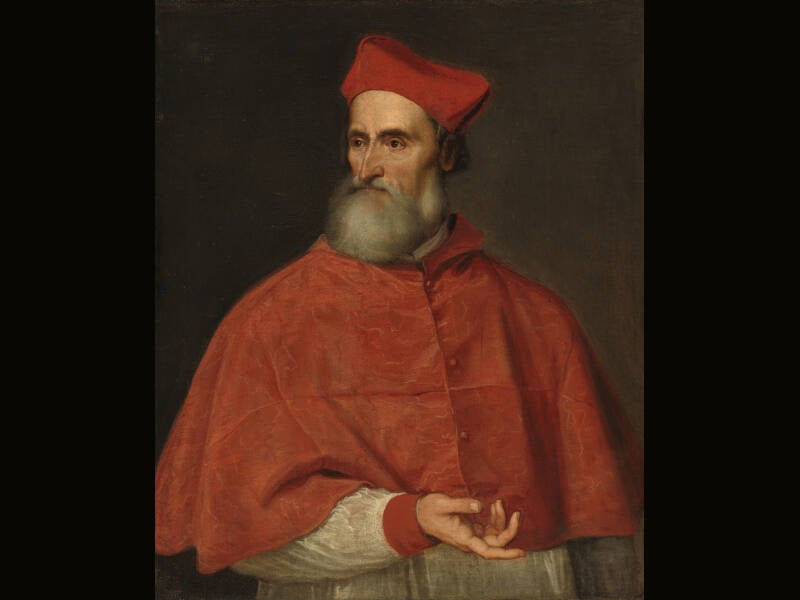
- Pietro Bembo (1470-1547): Venetian humanist, cardinal, man of letters, and philologist. He was a key figure in the Italian Renaissance, contributing significantly to the codification of the Italian language and the study of the classics. Although his main residence was Venice and then Rome, he had strong ties with the Paduan cultural environment (which was under Venetian rule) and frequented Venetian intellectual circles. His influence on the language and culture of the time was enormous, and his link with the Accademia degli Infiammati of Padua (which also held meetings in villas in the area) makes him interesting for those who love humanistic and Renaissance culture.
- Giuseppe Tartini (1692-1770): Composer and violinist born in Piran (Venetian Istria) but who spent most of his life in Padua, where he founded a famous violin school. His music and his influence are still alive, and his presence in Padua made the city an important musical center.
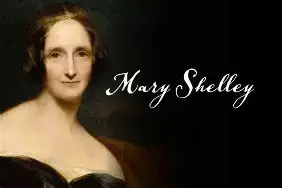
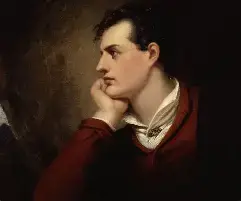
- Mary Shelley (1797-1851) and Lord Byron (1788-1824) Not only Italian figures, but also prominent personalities of English literature were attracted to this corner of Veneto. The famous author of Frankenstein, Mary Shelley, stayed with her husband, the poet Percy Bysshe Shelley, and their friend Lord Byron in various locations in Veneto, including the Venice area and the Euganean Hills. The romantic and at times melancholic atmosphere of these places, combined with the proximity to cities of art, provided a fertile ground for their literary inspirations, helping to shape an idealized image of Italy in the context of European Romanticism.
- Other Voices: Andrea Zanzotto (1919-2011) and Eugenio Montale (1896-1981) Even if not strictly residents of the Euganean Hills, the influence of these lands and of Veneto in general touched poets of the caliber of Andrea Zanzotto, whose lyrics, often woven with Venetian landscapes, reflect a deep connection with nature and language. Similarly, Eugenio Montale, Nobel Prize winner for Literature, although of Ligurian origin, had the opportunity to know and appreciate the beauty and culture of Veneto, an area rich in intellectual stimuli that has always attracted the most brilliant minds of Italian literature.
2. Architects and Artists: Beauty Built and Painted
The landscape of the Euganean Hills, with its harmonious curves and peculiar light, has naturally attracted and inspired architects and artists, who have left their mark in majestic villas and works of art.
- Andrea Palladio (1508-1580) :The shadow of Andrea Palladio, the famous Renaissance architect, extends over the entire province of Padua and Vicenza. Although his most iconic works are in Vicenza, many of the Venetian villas that dot the surroundings of the Euganean Hills are deeply affected by his lesson of harmony, proportion, and fusion with the landscape. His vision redefined the aesthetics of noble residences, making them true masterpieces. Visiting some of these villas, even if not strictly designed by him, such as the Villa dei Vescovi in Luvigliano (the work of Falconetto but in the Palladian spirit), allows one to appreciate the legacy of a genius whose architectural lesson is still studied and admired globally today.
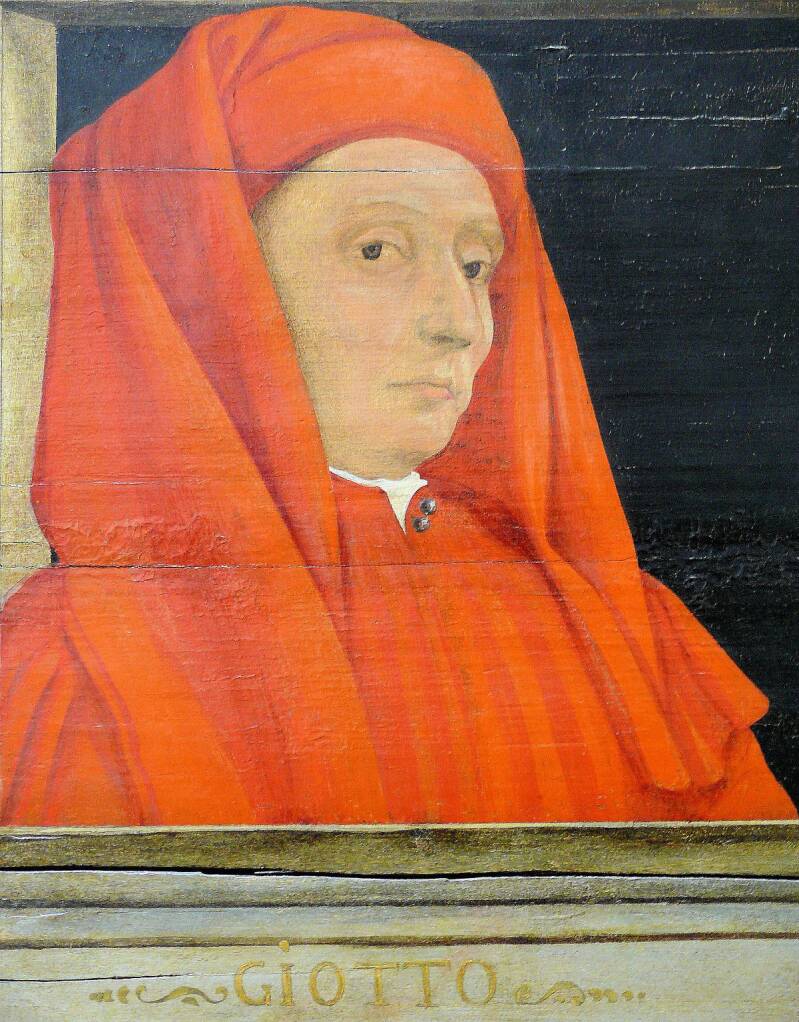
- Giotto (1267-1337) and the Pictorial Revolution: Although his main presence is in Padua, in the Scrovegni Chapel, the geographical proximity and cultural influence of the City of the Saint have also radiated to the Euganean Hills. Giotto di Bondone is the father of modern painting, the one who gave volume and depth to figures, revolutionizing medieval art. His work in Padua is a fundamental point of reference and certainly contributed to creating a fertile artistic environment also in the surrounding territories, inspiring local artists and noble commissions for the churches and villas of the hills.
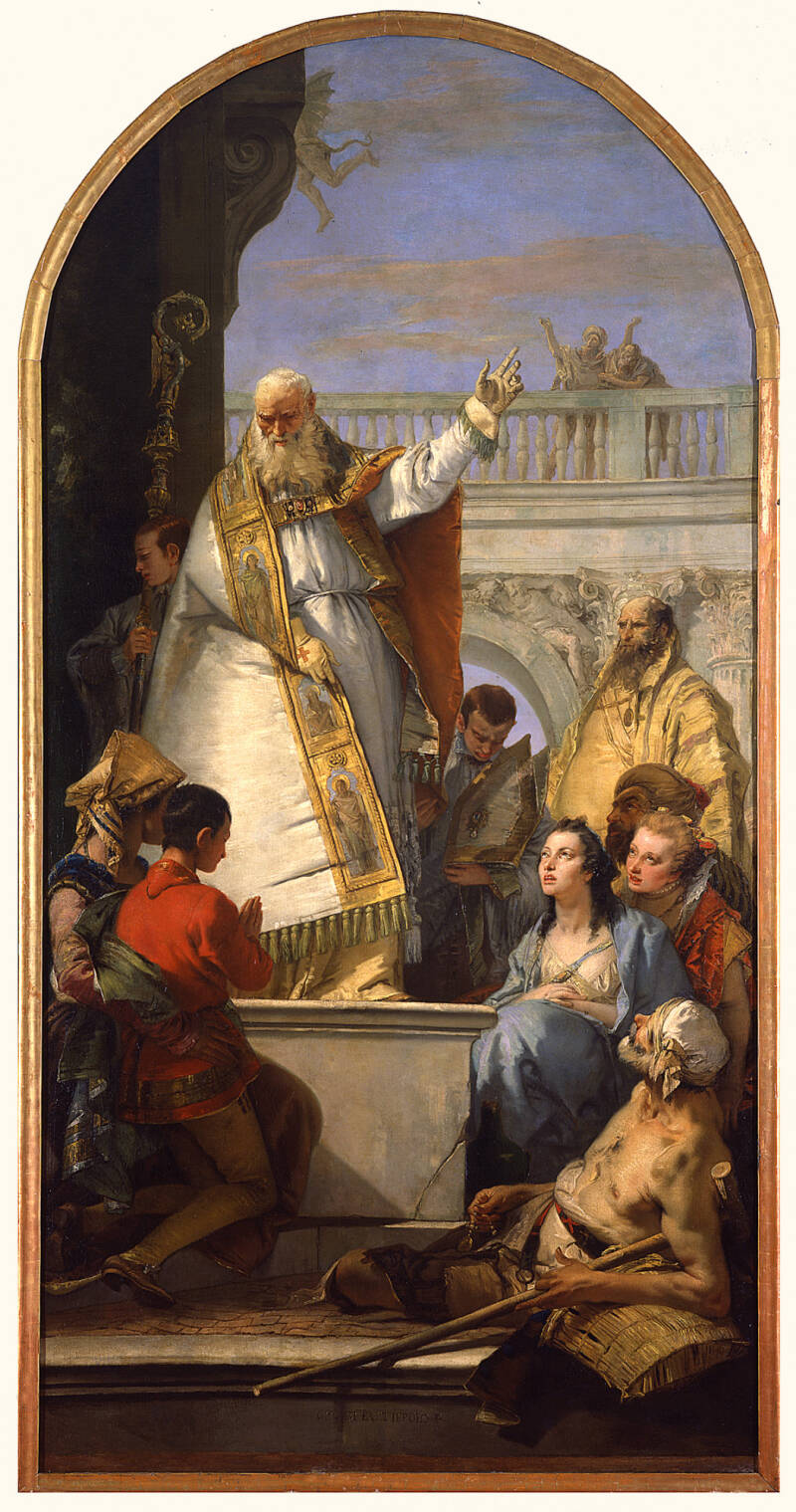
- Giovanni Battista Tiepolo (1696-1770): The great master of the Venetian eighteenth century, Giovanni Battista Tiepolo, with his luminous and dynamic frescoes, left masterpieces not only in Venice but also in many villas and palaces in Veneto. His stylistic influence and his presence in the noble commissions of the region testify to a period of great artistic splendor that involved the entire Paduan territory, including the surroundings of the Euganean Hills, where many patrician families owned summer residences adorned by artists of his caliber.
- Pietro Lombardo (ca. 1435-1515): Master sculptor and architect of the early Venetian Renaissance, Pietro Lombardo left his mark in many Venetian churches and palaces. His workshop, famous for the refinement of marble decorations, was a point of reference for the art of the time. Although his activity was mainly concentrated in Venice, the influence of his school spread throughout the Venetian territory, contributing to the beauty of altars, chapels, and funeral monuments also present in the churches of the Euganean Hills, witnessing the artistic wealth that radiated from the heart of the Republic into its lands.
3. Scientists and Thinkers: Minds at the Service of Progress
The presence of one of the oldest and most prestigious universities in the world, the University of Padua, has made Veneto a crossroads of knowledge and innovation, also influencing studies related to the territory and its resources.
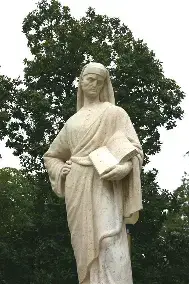
- Pietro d'Abano (1257-1316): A controversial and brilliant figure, Pietro d'Abano was a philosopher, physician, and astronomer, born right in nearby Abano Terme. He was one of the most brilliant minds of his time, studying in Paris and teaching in Padua. His works ranged from medicine (with particular attention to the properties of thermal waters) to philosophy and astronomy. His deep knowledge and critical approach earned him accusations of heresy and magic by the Inquisition, a common fate for many cutting-edge thinkers of the time. His statue still stands today in the main square of Abano Terme, as a reminder of his indissoluble bond with the territory.
- Antonio Canova (1757-1822): Although he was born and worked mainly in the province of Treviso and in Rome, Canova is the greatest exponent of Italian Neoclassicism in sculpture. Many of his works are present in the museums of Veneto (e.g., Bassano del Grappa, Venice, Possagno with the Gypsotheca). His influence and style spread throughout the region, and the Venetian environment of the 18th century, which also included the villas of the Euganean Hills, was fertile ground for neoclassical art and commissions. He could be a connection for lovers of neoclassical art.
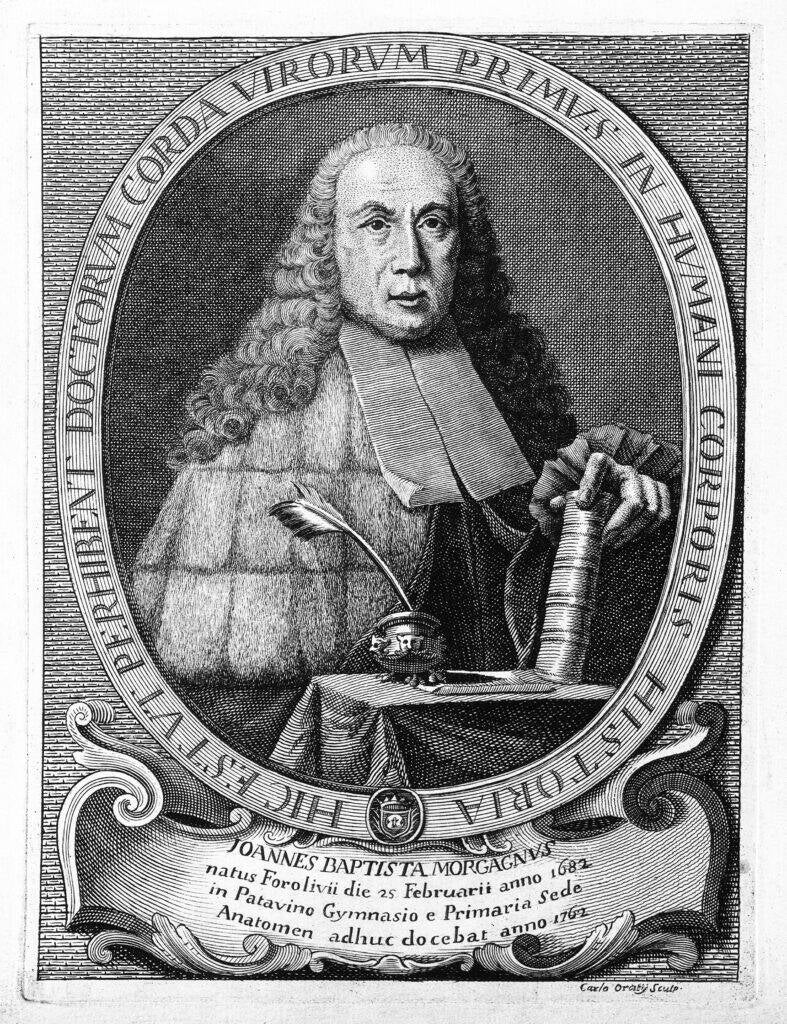
- Giovanni Battista Morgagni (1682-1771) Born in Forlì, but a key figure of the University of Padua, Giovanni Battista Morgagni is universally recognized as the father of modern pathological anatomy. His studies were revolutionary and laid the foundations for understanding diseases through post-mortem observation, radically transforming medicine. His presence and that of other illustrious scientists in Padua permeated the Venetian cultural environment, also favoring studies on nature and the beneficial properties of thermal waters, essential for the history of Montegrotto.
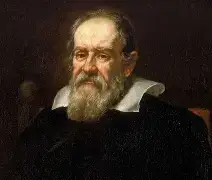
- Galileo Galilei (1564-1642) Even if his fame is mainly linked to Pisa and Florence, Galileo Galilei lived and taught in Padua for eighteen years (from 1592 to 1610), years that he himself defined as the "best of all my life." During this period, Galileo made fundamental discoveries that revolutionized physics and astronomy, such as the invention of the telescope and observations of the Moon and the moons of Jupiter. His presence made Padua, and by extension Veneto, a nerve center of European science, stimulating research and innovation in every field, including those related to the geology and nature of the Euganean territory.
Conclusions
The Euganean Hills and Montegrotto Terme are much more than a place for treatment and relaxation. They are a crossroads of stories, talents, and brilliant minds that have helped shape culture, science, and art. Staying at Casa Luna is not just an opportunity to regenerate the body in our thermal waters, but also to immerse yourself in a rich and fascinating past, where every village, every villa, and every path can tell an extraordinary story. We invite you to discover these traces of the past during your next visit!
FAQ:
What is the link between Francesco Petrarch and the Euganean Hills? The poet chose the village of Arquà to spend his final years, seeking peace and inspiration in the nature of the hills. His house is now a museum that can be visited.
Which foreign authors frequented the area? Personalities of the caliber of Mary Shelley (author of Frankenstein), Percy Bysshe Shelley, and Lord Byron stayed in the territory, attracted by the romantic atmosphere of the places.
Who was Pietro d'Abano? He was an illustrious philosopher, physician, and astronomer of the 13th century born in Abano Terme, known for his studies on the properties of thermal waters and for his cutting-edge scientific approach.





"Do you want to delve into the history and secrets hidden behind the beauty of our territory? Download our free 10-page guide to plan your bespoke excursions and unlock the exclusive benefits of the Club Casa Luna."
Read our Pillar article: The Charm of Euganean History: Venetian Villas and Villages
Back to: Culture and Surroundings
Aggiungi commento
Commenti