

Sleep and Spas
Sleeping well is one of the fundamental pillars of well-being, yet millions of people struggle every night to find restorative rest. Among the most effective—and often underestimated—natural remedies is the spa stay: an experience that goes far beyond simple relaxation, acting on deep mechanisms that regulate our sleep-wake cycle.
Thermoregulation: The Secret to Falling Asleep
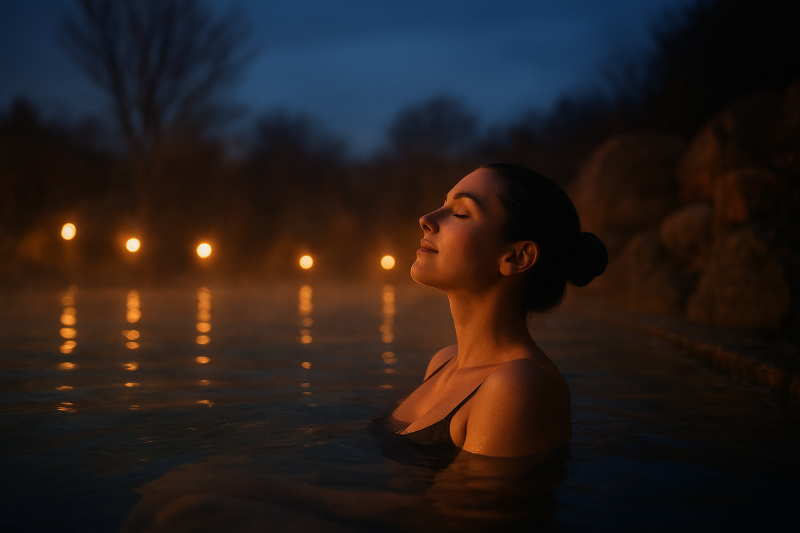
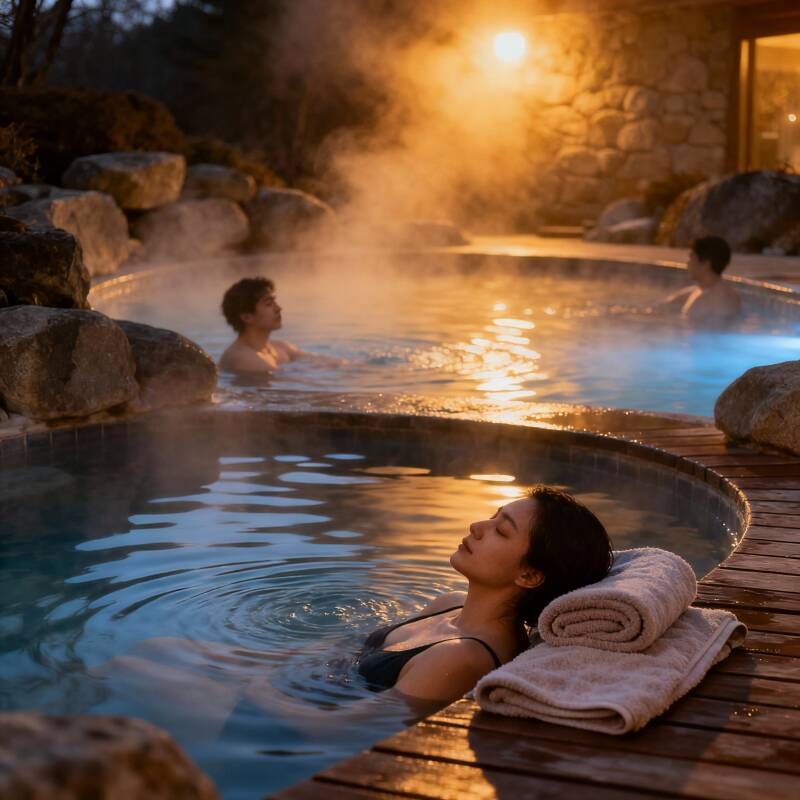
One of the most fascinating mechanisms through which spas promote sleep concerns body temperature. To fall asleep, our body needs to slightly lower its internal temperature, a process that signals to the brain that it is time to rest. Immersion in warm thermal waters triggers a perfect thermoregulatory response: during the bath, body temperature increases, but immediately after leaving the water, the body activates a compensatory cooling process. This natural thermal drop promotes the release of melatonin, the sleep hormone, facilitating a faster and more natural onset of sleep. The ideal time to harness this effect? A thermal bath 1-2 hours before bedtime allows the body to complete its thermal cycle just as you are preparing for sleep.
Magnesium: The Relaxation Mineral
Thermal waters are naturally rich in minerals, and among these, magnesium plays a crucial role in sleep. This element is involved in regulating the nervous system and producing GABA (gamma-aminobutyric acid), a neurotransmitter that reduces neuronal activity, promoting relaxation. During immersion, magnesium is absorbed through the skin, contributing to:
-
Relaxing contracted muscles
-
Reducing nervous tension
-
Regulating circadian rhythms
-
Lowering cortisol levels, the stress hormone Many people suffering from insomnia have magnesium deficiencies: spas, therefore, represent a pleasant way to supplement this essential mineral.
Sulfur and Its Calming Effects
Sulfurous waters, typical of many spa locations, contain sulfur compounds that have sedative properties on the nervous system. Sulfur promotes vasodilation and improves peripheral circulation, contributing to that "light legs" sensation that facilitates nightly rest. Furthermore, the sulfates present in thermal water stimulate the production of serotonin, the precursor to melatonin, creating a beneficial cascade effect for the sleep-wake cycle.
The Spa Environment: An Ecosystem for Rest
It is not just the water that makes a difference, but the entire spa environment. Far from the frenetic daily pace, thermal centers offer a setting designed to promote relaxation:
-
Reduction of digital stimuli: Stepping away from screens and notifications allows the brain to reduce cortisol production and increase melatonin, which is often suppressed by the blue light of electronic devices.
-
Natural sounds: The gurgling of water, silence, or the relaxing music typical of spas lowers adrenaline levels and activates the parasympathetic nervous system, the "rest and digest" system.
-
Therapeutic aromas: Many spa facilities use essential oils such as lavender, chamomile, or bergamot, which have been scientifically proven to improve sleep quality.
-
Natural light and circadian rhythms: Exposure to natural light during the day and evening dimness in spa areas helps synchronize the internal biological clock.
The Ritual of Slowing Down
A spa stay introduces something that has become rare in modern life: time for a relaxation ritual. The bath-rest-hydration sequence creates a routine that the body learns to recognize as a prelude to sleep. This ritual has significant psychological value: it signals to the brain that it is time to "unplug," activating a conditioned relaxation response that can be maintained even after returning home.
Breathing and Thermal Humidity
The humid environment of the spas promotes deeper and more relaxed breathing. Air saturated with water vapor clears the respiratory tract, improving oxygenation and reducing any mild obstructive sleep apnea. Moreover, breathing deeply activates the vagus nerve, which stimulates the parasympathetic system and induces a state of calm conducive to sleep.
An Effect That Lasts Over Time
Studies show that the benefits of a thermal cycle on sleep do not end when the stay is over. Those who regularly visit spas report improvements in sleep quality that persist for weeks, thanks to:
-
Reduction of accumulated stress
-
Improved anxiety management
-
Recalibration of circadian rhythms
-
Learning relaxation techniques
Practical Tips to Maximize Benefits
To make the most of the soporific power of the spas:
-
Choose the right times: Evening baths are more conducive to nightly sleep.
-
Don't overdo the temperature: Water that is too hot can be overly stimulating.
-
Alternate warm and lukewarm: Moderate thermal contrast enhances the relaxing effect.
-
Stay hydrated: Drink water before and after treatments.
-
Dedicate time to post-bath rest: Allow the body 20-30 minutes of relaxation after immersion.
-
Avoid heavy meals: Have a light dinner so as not to interfere with sleep benefits.
Conclusion
Sleep at the spa is not a luxury, but a true natural therapy supported by solid physiological mechanisms. Thermal water, with its minerals, the thermoregulation it induces, and the surrounding environment, acts in synergy to restore that deep and restorative rest that modern life often denies us. At Casa Luna, we understand the importance of this link between thermal water and sleep quality, and we have designed our facility to accompany you in an experience of authentic and lasting rest. Because sleeping well is not just a matter of hours, but of depth, quality, and a regenerated awakening. Book your stay at Casa Luna and, after regenerating in the thermal water of a local hotel, rediscover the pleasure of deep sleep in a unique atmosphere of complete relaxation.
Frequently Asked Questions (FAQ): Spas and Sleep Quality
-
Why does thermal water help fight insomnia? Immersion in warm water promotes muscle relaxation and the production of endorphins. Additionally, the controlled temperature drop after the bath signals to the body that it is time to rest, facilitating deep sleep.
-
What is the best time for a thermal bath if you suffer from insomnia? Late afternoon or evening (Night Spa) are the ideal times. Staying at Casa Luna, you can return within minutes after an evening session and slip into bed in a quiet environment, maximizing the water's sedative effect.
-
Does Casa Luna provide an environment suitable for deep rest? Absolutely. Located in a quiet residential area away from traffic, Casa Luna guarantees the silence needed to regenerate. The comfort of our beds and the privacy of an independent home do the rest.





"Do you want to delve into the science behind your rebirth? Download our 10-page guide and unlock the exclusive benefits of the Club Casa Luna."
Read the Pillar article: "Beyond Relaxation: Holistic Rituals and Wellness Philosophy"
Back to category: "Well-being and Thermal Baths"
Aggiungi commento
Commenti