

Thermal mud is a natural element that, thanks to its therapeutic properties, has been used for centuries in the treatment of various pathologies. Its effectiveness is recognized by both traditional and modern medicine, making it a precious ally for human well-being.
Millenary History of Thermal Mud: A Heritage from Antiquity to the Present Day
The therapeutic use of mud, and more generally of thermal waters, has its roots in a very remote past, witnessing an ancestral intuition of its healing virtues. Already in the 5th century BC, the "father of medicine" Hippocrates, in his famous "Corpus Hippocraticum", dedicated large sections to the observation and description of the hygienic and curative effects of thermal waters and muds on the human organism. His insights, based on clinical observation, laid the foundations for future thermalism. But the use of mud and water was not limited to Greece. In the most ancient civilizations, nature, and in particular thermal springs, were often considered sacred places, divine gifts, and their healing benefits were attributed to superior powers.
-
Ancient Egypt: It is said that the Egyptians used Nile mud for its medicinal and cosmetic properties, benefiting from the mineral richness left by the floods.
-
Babylonian and Assyrian Civilizations: Archaeological traces suggest the use of clays and sulfurous waters for curative treatments.
-
Pre-Roman Civilizations (Euganeans and Veneti): In the lands that today host the Euganean Spas, local populations such as the ancient Euganeans and Veneti, long before the arrival of the Romans, had already discovered and exploited the thermal springs and their precious muds. The waters that flow in Montegrotto and Abano were already considered "sacred" and endowed with healing powers, a heritage passed down from generation to generation.
-
The Roman Era: It was with the Romans that thermalism reached its peak and widespread diffusion. The "Fons Aponi" (the current Euganean Spas, from which Abano takes its name) were famous throughout the Empire. Imposing thermal complexes were built, real centers of health and socialization, where the application of mud (known as limus or lutum) was a common practice to treat rheumatism, joint pain, and other ailments. Illustrious figures such as the historian Livy and the Emperor Tiberius frequented these spas, witnessing their prestige and recognized effectiveness. They were considered a place of care and regeneration, almost a temple dedicated to well-being.
Over the centuries, even after the decline of the Roman Empire, the thermal tradition never completely died out. During the Middle Ages and the Renaissance, albeit with alternating fortunes, the spas continued to be a destination for pilgrimages for curative purposes. Renaissance physicians and scholars rediscovered and documented the properties of waters and muds, often based on classical writings. It is starting from the 18th and 19th centuries that thermalism was reborn with vigor, supported by a more scientific approach. The first studies on the composition of waters and muds were conducted, laying the foundations for modern medical hydrology and mud therapy as a recognized discipline. The European thermal resorts, including the Euganean Spas, developed and modernized, attracting visitors from all over the world. Today, thermal mud is no longer just a popular remedy or a practice based on experience. Thanks to advanced scientific research, we deeply understand its composition, the unique maturation process (as in the case of the Mature Mud D.O.C. of the Euganean Spas), and the mechanisms of action at the molecular level. This fusion between ancient wisdom and modern scientific evidence makes thermal mud a heritage of inestimable value, a bridge between the well-being of the past and the therapies of the future.
Composition and Maturation of Thermal Mud
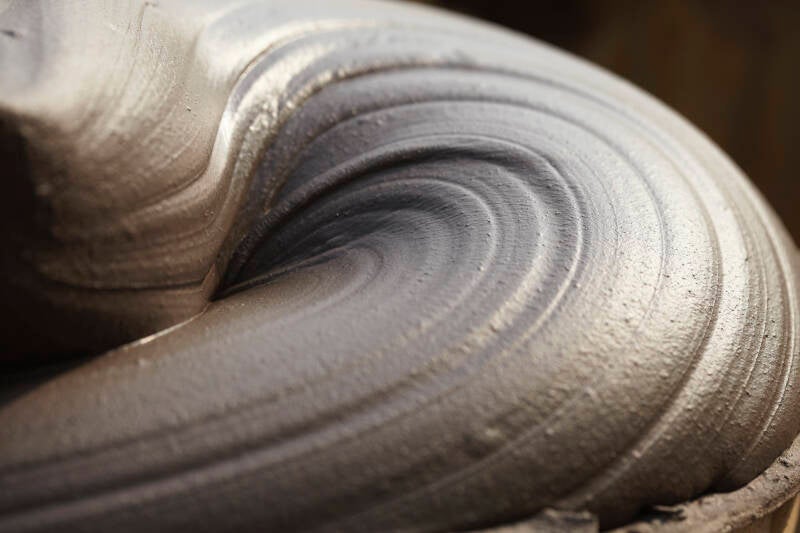
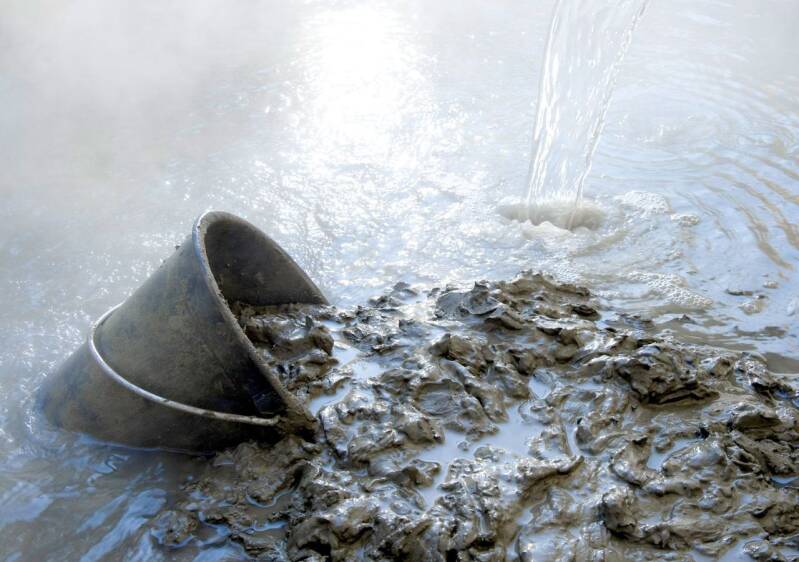
Thermal mud is a mixture of clay and thermal water. The maturation process takes place in special tanks where the clay is kept in continuous contact with thermal water at a constant temperature of about 35-38°C for about 4 months. The water in close contact with the mud, together with the components it is rich in and sunlight, develops a typical non-pathogenic thermophilic microbial community (a progressive colonization of the clay by cyanobacteria and numerous microalgae occurs) which causes important chemical/physical modifications and enriches the mud with precious active ingredients deriving from the metabolism of its particular microalgae flora (Diatoms and Cyanophyceae):
-
increases the rehydration volume;
-
increases the heat-insulating capacity;
-
chemical fractions with anti-inflammatory activity appear.
After this slow maturation process, the mud transforms into a medicine with beneficial and lasting effects. More powerful than Aspirin, less invasive than Aulin, and without side effects, the mature mud of the Euganean Spas (Mature Mud D.O.C.) is thus scientifically proven anti-inflammatory and internationally recognized with a European Patent (No. 1571589). Comparative studies have shown that the effectiveness of mature mud can be comparable to that of non-steroidal anti-inflammatory drugs (NSAIDs) such as Aspirin or Aulin, but with a superior safety profile. To guarantee the therapeutic efficacy and quality of the Thermal Mud of Abano and Montegrotto, the University of Padua carries out rigorous semi-annual monitoring at each individual thermal establishment. This control verifies the origin of the clay, respect for the complex maturation process, and adherence to the operating protocol, ensuring that every application of the mud maintains the highest therapeutic standards.
Therapeutic Properties of Thermal Mud: Scientific Evidence
Mature thermal mud possesses several beneficial properties, validated by numerous clinical studies and research:
-
Natural anti-inflammatory: The main and most studied property. The humoral substances generated by the algal microflora of the mud, such as glycolipids and exopolysaccharides, modulate the inflammatory response. Published research has shown that the Mature Mud D.O.C. of the Euganean Spas is able to inhibit the production of pro-inflammatory cytokines (e.g., TNF-α, IL-1β) and stimulate the production of endogenous anti-inflammatory molecules, making it effective in reducing chronic inflammation without the gastrointestinal or renal side effects typical of NSAIDs.
-
Analgesic: The application of hot mud reduces the perception of pain. This effect is due both to the decrease in inflammation and to a direct action on nerve endings and muscles. The heat promotes the release of endorphins, the body's "natural painkillers".
-
Muscle relaxant: The deep heat of the mud causes local and general vasodilation, increasing blood flow to the tissues and facilitating the relaxation of contracted muscle fibers. This helps to alleviate tension, spasms, and muscle stiffness.
-
Remineralizing: Thermal water and clay release essential minerals (such as calcium, magnesium, sodium, potassium, iodine, bromine) that can be absorbed through the skin, contributing to tissue nourishment and cellular regeneration.
-
Detoxifying and Purifying: The thermal action and the composition of the mud promote sweating, helping the elimination of toxins through the skin. It contributes to cleaning and purifying the pores.
-
Immunomodulating: Some studies suggest that mud therapy may have a beneficial effect on the immune system, modulating the immune response and contributing to the maintenance of the body's homeostasis.
Therapeutic Indications: A Holistic Approach to Well-being
Mud therapy is recognized for its effectiveness in a wide spectrum of conditions, offering significant and lasting benefits:
-
Pathologies of the Locomotor System:
-
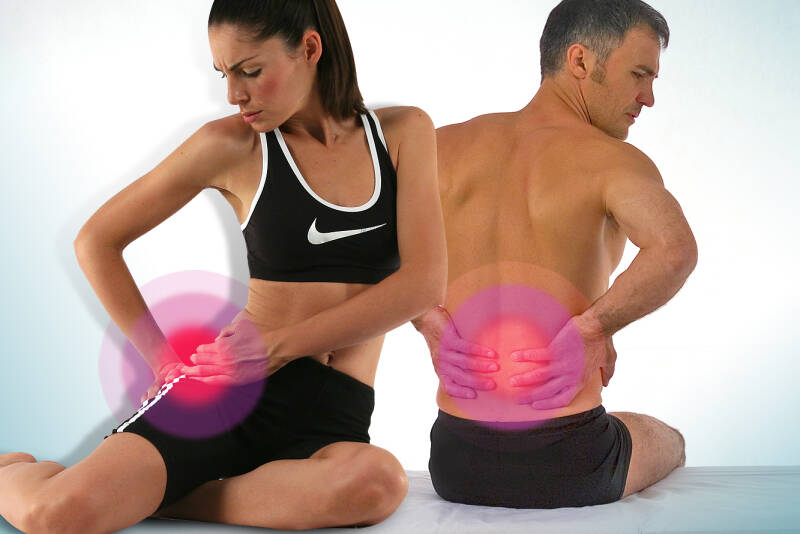
Osteoarthritis and degenerative rheumatism: Of the large and small joints (hip, knee, shoulder, spine, hands, feet). The mud reduces pain and inflammation, improves joint mobility, and slows the progression of cartilage degeneration.
-
Osteoporosis: The thermal action and mineralization contribute to bone well-being, and the reduction of pain allows for greater physical activity.
-
Extra-articular rheumatism: Fibromyalgia, tendonitis, bursitis, epicondylitis, and periarthritis. Heat and anti-inflammatory action relieve pain and stiffness.
-
-
Muscular Disorders: Contractures, myalgia, post-traumatic or post-operative stiffness (after the acute phase). The mud promotes deep muscle relaxation.
-
After-effects of Trauma and Fractures: After immobilization, mud therapy helps to recover joint mobility and reduce edema.
-
Dermatological Pathologies: Some chronic skin conditions such as psoriasis, chronic eczema not in the acute phase, and seborrheic dermatitis can benefit from the purifying, soothing, and regenerating properties of the mud. The mineral component and thermal action promote cellular renewal and reduce skin inflammation.
-
Peripheral Vascular Diseases: Improves peripheral blood circulation thanks to heat-induced vasodilation.
Application Methods: The Certified Thermal Protocol
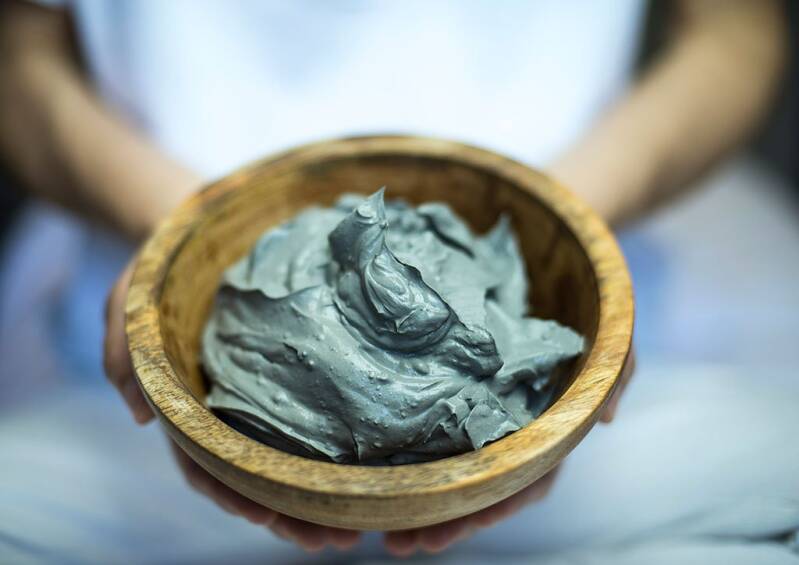
The mud therapy treatment follows a consolidated and scientifically validated protocol to maximize benefits. It involves the application of mature mud to the skin, at a comfortable but effective temperature of about 45-48°C, for an average duration of 15-20 minutes. During this time, the heat and osmotic pressure promote the release of the precious active ingredients contained in the mud, which are absorbed through the skin. This process activates thermotherapy, stimulating vasodilation and the activation of metabolic processes. Subsequently, the patient undergoes a thermal shower to remove the mud and then a bath in salt-bromine-iodine thermal water at about 37°C for 8-10 minutes, which enhances the effects of the mud and promotes relaxation. The path ends with a rest phase (reaction) of about 30-60 minutes, fundamental to allow the body to rebalance the temperature, expel excess accumulated heat, and consolidate the therapeutic effects. It is during this phase that the anti-inflammatory and muscle-relaxing benefits fully manifest.
Conclusions
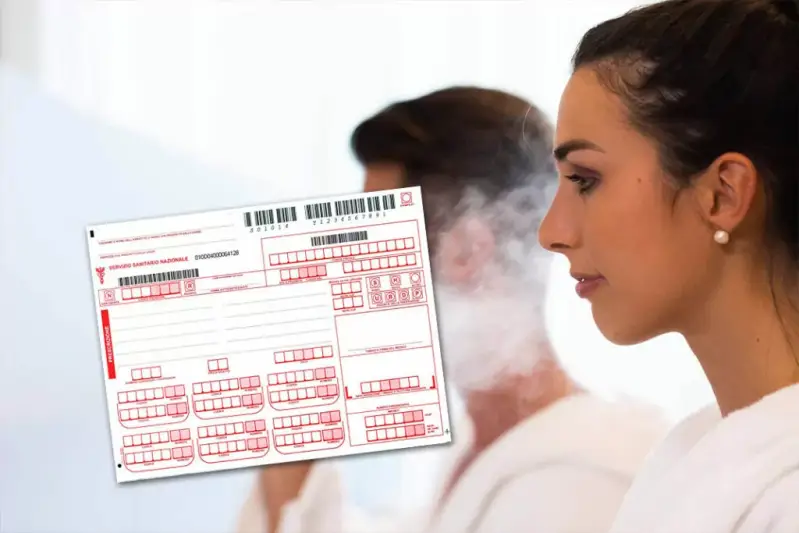
Thermal mud represents a natural resource of inestimable value in the field of thermal medicine. Its millenary history and proven therapeutic properties make it an effective and safe treatment for various pathologies, promoting well-being and health in a natural way. All thermal hotels in Abano and Montegrotto Terme are affiliated for thermal treatments with the S.S.N. (National Health Service). "After a day dedicated to well-being and the benefits of the thermal muds of Montegrotto, the ideal is to treat yourself to a relaxing stay in a welcoming and comfortable environment like Casa Luna.
Frequently Asked Questions (FAQ) about Montegrotto Thermal Mud
-
What makes the thermal mud of Montegrotto and Abano unique? The local mud is the only one in the world with a European patent, thanks to specific cyanobacteria (algae) that develop during maturation, giving it certified natural anti-inflammatory properties.
-
How long does the mud maturation process take? The mud must mature in special tanks in contact with thermal water for at least 60 days. During this period, it undergoes chemical and biological changes, turning into a real natural remedy.
-
Can I undergo mud therapy while staying at Casa Luna? Yes, absolutely. Casa Luna guests can access mud therapy treatments at partner facilities within the thermal basin, then return to the privacy and quiet of the apartment for the essential post-treatment rest.
Note: Before undertaking any thermal treatment, it is advisable to consult a health professional to evaluate suitability based on your health conditions.





"Do you want to delve into the science behind your rebirth? Download our 10-page guide and unlock the exclusive benefits of the Club Casa Luna."
Read the Pillar article: "The Science of Well-being: Why the Euganean Spas Truly Heal."
Back to the category "Well-being and Spas"
Aggiungi commento
Commenti