

The territory of the Euganean Hills is not only a natural and thermal paradise, but also a real treasure chest of flavors and culinary traditions. Euganean cuisine, rooted in peasant culture and enriched by historical influences, offers dishes that tell the story of the territory, its products, and its people. Here the philosophy is clear: few quality ingredients, often zero-kilometer, to enhance authentic flavors. Whether you want to try your hand at the stove or simply enjoy these delicacies in typical local restaurants, get ready for an unforgettable gastronomic journey.
1. Bigoli with Duck Ragù (or Anitra) History on the Plate:
Bigoli are a fresh pasta format typical of Veneto, similar to thick spaghetti, bronze-drawn which makes them porous and capable of "capturing" the seasoning better. Originally kneaded also with buckwheat flour or eggs, their history is linked to peasant tradition. Duck ragù, on the other hand, is a sumptuous seasoning that has its roots in the poultry wealth of the Venetian plain and wetlands, where the breeding of courtyard animals, ducks included, was and still is very widespread. This dish celebrates the abundance of the territory and the ability to transform simple ingredients into a rich taste experience.
Why Try Them:
They are an absolute must. The robust consistency of the bigoli blends perfectly with the savory richness of the duck ragù, a combination that delights the palate and warms the heart.
Where to Taste/How to Prepare: At the Restaurant (Recommended in the area):
Although home preparation has its charm, bigoli with duck ragù are a strong dish of local cuisine and are present on the menus of many traditional taverns in the Euganean Hills and in the surroundings of Montegrotto Terme. You can find them in places like "Trattoria al Bigolaro" in Galzignano Terme, known for its typical recipes, or at "Trattoria Al Torcio" in Vò, which in addition to bigoli made with the press often also offers meat dishes. Also many agriturismos in the area, such as "Agriturismo De Bortoli" in Zovon di Vò, are masters in the preparation of this classic. Do not hesitate to ask your hotel or locals for advice, they will be able to point you to the most authentic tavern.
At Home (Simplified Version):
If you want to try your hand, you can easily find fresh bigoli in local supermarkets or pasta shops. For the ragù, you will need duck legs and thighs (or a breast if you prefer less fat), carrots, celery, onion for the sauté, red wine (a Rosso dei Colli Euganei Rosso is excellent) and tomato concentrate or puree. The key is slow and prolonged cooking to make the meat tender and the ragù thick and tasty.
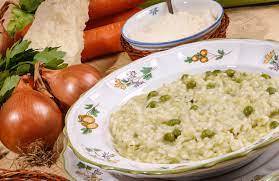
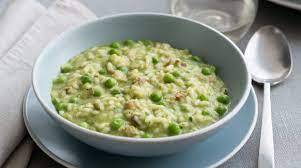
2. Pea Risotto (Risi e Bisi) History on the Plate:
Although "Risi e Bisi" are a Venetian classic in general, the area of the Euganean Hills, with its fertile soils, boasts an excellent production of peas, in particular those of Baone or Borsea, renowned for their sweetness. This dish was traditionally offered to the Doge of Venice on April 25th, Saint Mark's Day, to symbolize the arrival of spring and the abundance of the fields. It is not a simple risotto, but a "rice in thick broth", a middle ground between a creamy risotto and a soup, where fresh peas are the undisputed protagonists.
Why Try It:
It is a hymn to spring and freshness. An apparently simple dish, but one that requires mastery to balance the sweetness of the peas with the savoriness of the broth and cheese.
Where to Taste/How to Prepare: At the Restaurant (Recommended in the area):
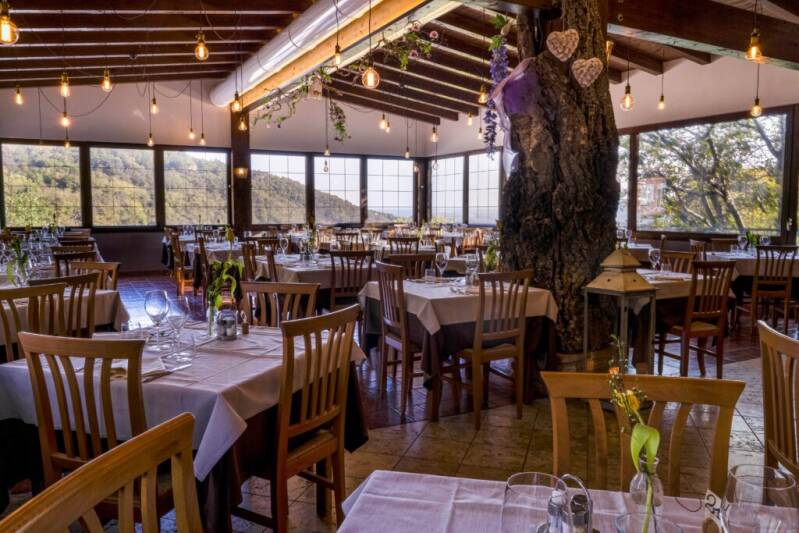
During the spring season (April-May) it is very easy to find it on menus, especially in restaurants that focus on seasonality and local products. For example, "Ristorante La Montanella" in Arquà Petrarca or "Ristorante Monte Grande" in Rovolon are known for their traditional cuisine and might offer this dish in season. Some, however, offer it all year round using top quality frozen peas. Always ask the staff if the dish is available and with which peas it is prepared for maximum freshness. Another restaurant: "Antica Trattoria da Ballotta" with strictly homemade bigoli.
At Home (Short Recipe):
You will need Vialone Nano rice (ideal for Venetian risottos), shelled fresh peas (or quality frozen ones), light vegetable broth, finely chopped onion, bacon (optional for a stronger flavor), butter and Parmigiano Reggiano for creaming. The secret lies in cooking the peas partially before adding them to the rice, and in creaming well to obtain the right creaminess.
3. Paduan Hen in Broth or in "Saor" History on the Plate:
The Paduan Hen is an indigenous breed with characteristic plumage and an unmistakable tuft. Symbol of Padua and its province, its meat is renowned for being lean, tasty and with a unique texture. Historically, it was a prized bird, present on the tables of wealthy families and the protagonist of festive dishes. The "saor" (from the Venetian "flavor") is an ancient preservation method, born to marinate fish (the famous sardines in saor) but also applied to other ingredients, which consists of marinating the cooked meat with onions, vinegar, raisins and pine nuts.
Why Try It:
It offers a different taste experience. Whether it is in the tasty broth that enhances its delicacy or marinated in saor for a surprising sweet and sour contrast, it is a dish that encapsulates the gastronomic identity of the territory.
Where to Taste/How to Prepare: At the Restaurant (Recommended in the area):
The Paduan Hen, being an indigenous breed and presidium, is not always easy to find on menus, but restaurants that focus on the enhancement of local excellence often offer it. You could look for it in taverns that adhere to Slow Food projects or that specialize in zero-kilometer products. A good starting point could be the "Antica Trattoria al Bosco" in Saonara, or even restaurants with a strong territorial identity like "Ristorante Monte Grande" which sometimes include special dishes. It is advisable to call in advance to ask for the availability of this very particular dish.
At Home (Traditional Method):
The most common preparation is boiled, for an exceptional broth, excellent for tortellini or risottos. The boiled meat can then be served with sauces or, precisely, put in saor. The saor requires sautéing onions, deglazing them with vinegar and adding raisins and pine nuts, then pouring this sauce over the already cooked and cut hen, letting it marinate for at least a day.
A Territory to Taste and Live at Casa Luna
These are just some examples of the delights that the Euganean Hills have to offer. Every dish is a piece of history, an expression of the deep bond between man and his land. Whether you choose to explore these flavors in local restaurants, relying on the experience of those who have been preparing them for generations, or to test yourself in the kitchen, the important thing is to savor the authenticity of a tradition that continues to live. And if the idea of cooking these delights teases you, or simply you wish to have the freedom to prepare your meals with fresh ingredients purchased in local markets, Casa Luna is the ideal solution. Every apartment is equipped with a fully equipped kitchen, offering you everything you need to experiment with the recipes of the Euganean tradition, just as you would at home. A perfect opportunity to fully immerse yourself in the flavors of the territory, combining thermal relaxation with the pleasure of good food. Which of these dishes intrigues you the most? Or maybe you already have a favorite that you can't wait to cook or taste?
Leave us a comment!!
❓ FAQ
-
Where can I buy fresh bigoli? You can easily find them in local supermarkets or pasta shops (pastifici) near Montegrotto Terme.
-
What is the best wine to pair with duck ragù? A red wine from the area, such as a "Colli Euganei Rosso," is the perfect choice.
-
Are Risi e Bisi available all year? While traditionally a spring dish, some restaurants offer them year-round using high-quality frozen peas.




"Do you want to experience unforgettable adventures among the trails of extinct volcanoes, record-breaking challenges, and the authentic flavors of our land? Download our free 10-page guide to discover the secrets of the gold of the hills and plan your ideal micro-adventures, while unlocking the exclusive benefits of the Club Casa Luna!"
Read our Pillar article: "Euganean Flavors: Food and Wine Guide among vineyards and traditions"
Back to: "Local experiences and activities"
Aggiungi commento
Commenti