

Thermalism represents one of the oldest therapeutic forms in the West, recognized by the World Health Organization as a traditional medicine of great value. In recent years, scientific research has made significant progress in understanding the mechanisms of action of thermal waters and validating their therapeutic effects through rigorous studies and evidence-based methodologies. Between 2010 and 2019, Italian scientific production on thermalism recorded a 60% increase, with studies published in prestigious international journals. This renewed interest from the scientific community has brought to light new evidence on the benefits of thermal treatments for various chronic pathologies, consolidating the role of thermalism within integrative medicine.
Scientific Evidence from Major Databases
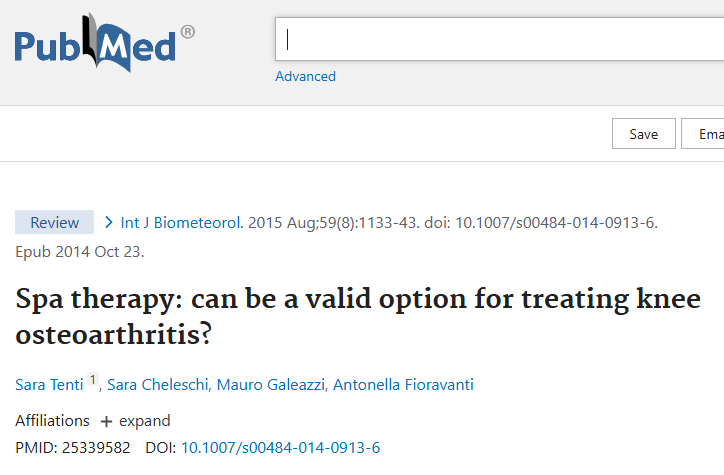
Studies on PubMed
Scientific literature indexed on PubMed, the main international biomedical database, offers numerous evidences on the efficacy of balneotherapy. A systematic review published in 2024 in the International Journal of Biometeorology analyzed the effects of balneotherapy with mineral thermal waters for dermatological diseases, following the rigorous PRISMA protocol and with registration on PROSPERO, thus ensuring maximum methodological transparency. A particularly interesting aspect emerged from the research concerns the mechanisms of action of thermal therapy. Studies show that balneotherapy does not require potentially harmful chemicals or drugs, has very few side effects during and after treatment, and carries a low risk to the patient's general health. This makes it a particularly safe therapeutic option for patients with chronic skin conditions.
Cochrane Reviews
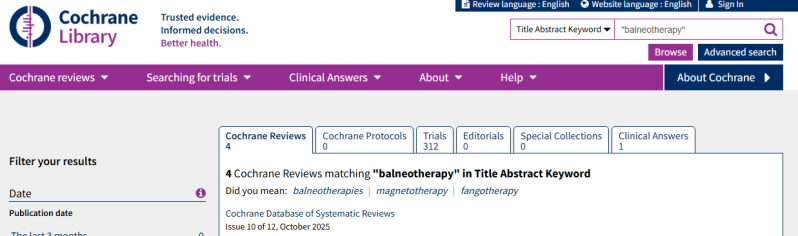
The Cochrane Library, considered the gold standard for systematic reviews in medicine, has published important analyses on balneotherapy. Regarding osteoarthritis, Cochrane reviews have shown that mineral baths, compared to no treatment, can significantly improve pain and quality of life for patients. In the case of rheumatoid arthritis, Cochrane analyzed nine studies involving 579 participants. Although the conclusions highlight the need for further studies of higher methodological quality, preliminary results confirm the popularity of the treatment among patients and suggest potential benefits that deserve further investigation.
Specific Clinical Applications Musculoskeletal Pathologies
Recent research has focused attention on pathologies of the musculoskeletal system. A particularly significant study evaluated the efficacy of hydrokinesitherapy in a thermal environment for knee osteoarthritis in obese patients, a population particularly difficult to treat. The results showed a significant reduction in pain during walking and improvements in joint function that were maintained up to 6 months after completion of treatment. The FibroTherm project provided very encouraging preliminary results for patients suffering from fibromyalgia, a pathology characterized by widespread chronic pain. The study documented a reduction in pain, a significant improvement in sleep quality, and an increase in the ability to perform daily activities, fundamental aspects for the quality of life of these patients.
Dermatological Pathologies
Thermal waters have shown particular efficacy in the treatment of chronic dermatological diseases. The specific mineral composition of thermal waters, combined with temperature and application methods, produces anti-inflammatory and immunomodulatory effects on the skin. The most recent systematic reviews confirm these benefits, highlighting how balneotherapy represents a valid alternative or complement to traditional pharmacological treatments.
Respiratory Pathologies and Long COVID
Research has expanded the field of application of thermal treatments to new health challenges. An observational study conducted by the Foundation for Thermal Scientific Research (F.I.R.S.Thermae) in collaboration with the University of Salerno involved 66 patients with chronic diseases, including individuals suffering from Long COVID. The study evaluated the impact of thermal treatments on painful symptoms and quality of life, opening new perspectives for managing the long-term consequences of SARS-CoV-2 infection.
Mechanisms of Action: What Science Says
Effect on Free Radicals
Controlled research has shown that thermal water can have beneficial effects on the formation of free radicals, with therapeutic efficacy significantly different from tap water. This suggests that the specific mineral composition of thermal waters plays a fundamental role in their antioxidant and protective effects at the cellular level.
Serotonin Modulation
An innovative aspect emerged from research concerns the effect of balneotherapy on the serotonergic system. Studies have shown that balneotherapy induces changes in the platelet serotonin transporter in healthy subjects, suggesting a possible biological mechanism underlying the improvement in psychological well-being and mood frequently reported by patients.
Anti-inflammatory and Immunomodulatory Action
The most recent research demonstrates the efficacy of specific hydrotherapy protocols thanks to their anti-inflammatory, immunomodulatory action and effect on the microbiota. These mechanisms explain the efficacy of thermal treatments for a wide spectrum of pathologies, from rheumatic to respiratory diseases, from dermatological to gynecological pathologies.
The Regulatory Framework and Italian Guidelines Inclusion in the LEA
In Italy, thermal assistance is recognized at the national level and is included among the activities of Chapter III (district assistance) of the DPCM of January 12, 2017. Thermal treatments are provided by the National Health Service within the Essential Levels of Assistance (LEA) for citizens suffering from certain pathologies, with a specific list reported in Annex 9 of the DPCM.
Development of Guidelines
Law 323/00, Article 4, provides that the Ministry of Health issues guidelines concerning the articulation in single or combined application cycles for each of the identified pathologies, with periodic updates based on technical-scientific evolution. This ensures that thermal therapeutic practices remain aligned with the most recent scientific evidence.
The Thermalism Technical Table
The Thermalism Technical Table of the Ministry of Health has stressed the need to implement new clinical trials and Consensus Conferences. The joint commitment of the Foundation for Thermal Scientific Research (FORST), the Ministry of Health, the Regions, and Universities aims to produce new evidence and recommendations based on methodologically rigorous studies.
Future Perspectives of Research
New Areas of Application
The most recent studies are exploring innovative applications in the field of psychological well-being and effects on tissue vascularization, with important implications for the treatment of chronic musculoskeletal pain. These new research directions could further expand the therapeutic scope of thermal treatments.
Towards Personalized Medicine
The future of thermalism is moving towards increasingly personalized protocols, based on the individual characteristics of the patient, the specific pathology, and the composition of the available thermal waters. The goal is to maximize therapeutic efficacy through an evidence-based and personalized approach.
Conclusions
Scientific research in recent years has consolidated the role of thermalism in modern medicine, providing robust evidence on its therapeutic benefits through studies published in prestigious international journals and systematic reviews conducted according to the most rigorous methodological standards. The 60% increase in Italian scientific production on thermalism testifies to the renewed interest of the scientific community in this ancient therapeutic form. Data from recognized databases such as PubMed and Cochrane, together with the most recent Italian studies, confirm the efficacy of thermal treatments for rheumatic, dermatological, respiratory pathologies and for the treatment of chronic pain.
The mechanisms of action, increasingly clear thanks to molecular and cellular research, explain the anti-inflammatory, immunomodulatory, and antioxidant effects of thermal waters.
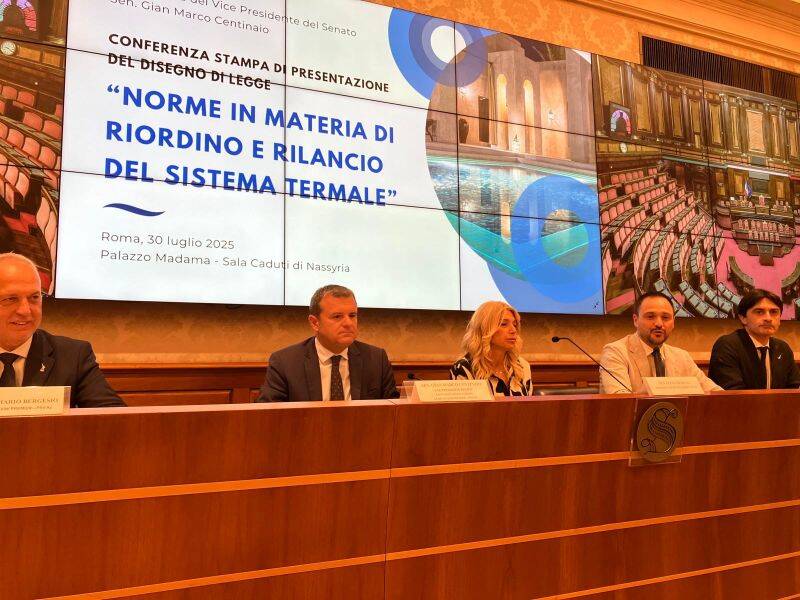
The recognition of thermalism in the Essential Levels of Assistance and the institutional commitment to the development of evidence-based guidelines ensure that this therapeutic resource continues to be available to Italian patients, effectively integrating into the landscape of contemporary medicine.
Casa Luna: Your Retreat for a Thermal Stay
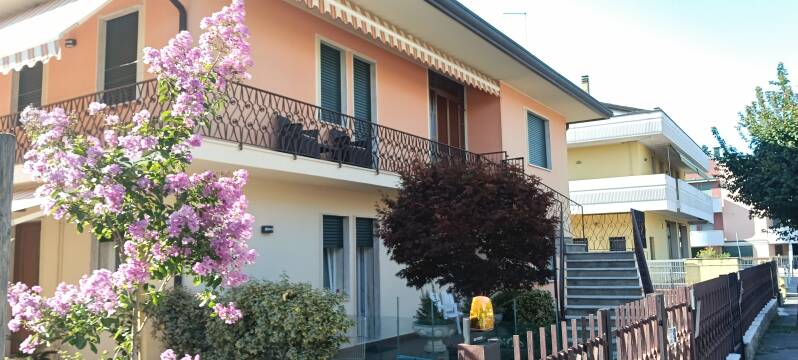
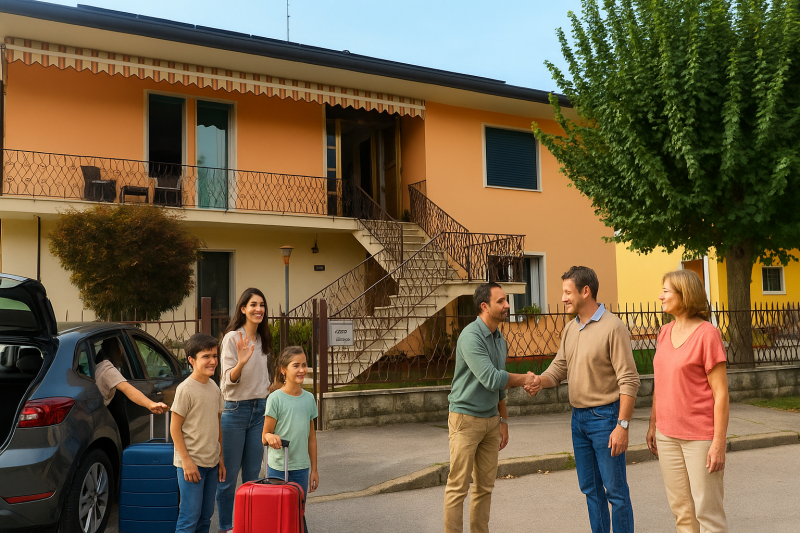
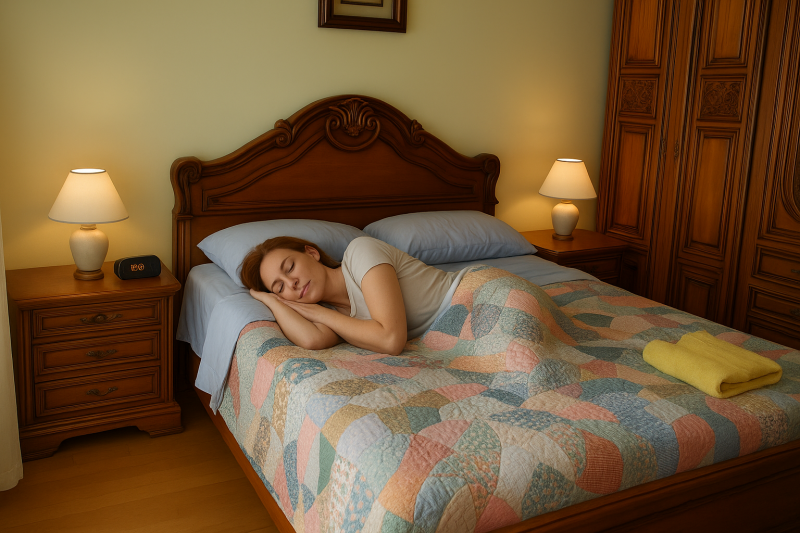
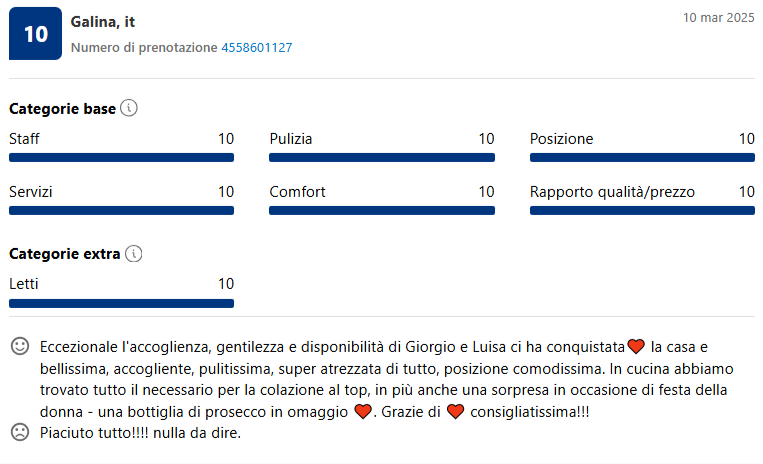
If you are thinking of undertaking a path of thermal treatments and wish to do so in a comfortable and relaxing environment, Casa Luna is the ideal solution for your stay. Our tourist rental offers the perfect environment for those who want to combine the therapeutic benefits of the spas with the comfort of a cozy home. Located in a strategic position to easily reach the main thermal centers of the area, Casa Luna allows you to experience a complete wellness experience, where the relaxation of the stay integrates perfectly with the thermal treatment program. Whether you are seeking relief from chronic pathologies or simply wish to take care of your psychophysical well-being, our structure represents the ideal base for your health journey. Find out more about Casa Luna and book your thermal stay: let yourself be enveloped by the warmth of the welcome and the tranquility you deserve during your journey of care and regeneration.
FAQ
-
What does PubMed say about thermal treatments? PubMed indexes numerous studies, including a 2024 review, confirming the efficacy of balneotherapy for dermatological and chronic diseases with minimal side effects.
-
Are thermal treatments recognized by the Italian National Health Service? Yes, they are included in the Essential Levels of Assistance (LEA) for specific pathologies, as per the DPCM of January 12, 2017.
-
Can thermal baths help with Long COVID? Recent studies by F.I.R.S.Thermae show that thermal treatments can improve quality of life and reduce painful symptoms in patients with Long COVID.
-
Why choose Casa Luna for thermal treatments? Casa Luna is located in Montegrotto Terme, a few steps from the station and the main thermal centers, offering a private and comfortable environment ideal for those undergoing therapy.
Bibliographic References
- Protano C, Vitali M, De Giorgi A, Marotta D, Crucianelli S, Fontana M. (2024). Balneotherapy using thermal mineral water baths and dermatological diseases: a systematic review. International Journal of Biometeorology, 68(6), 1005-1013. doi: 10.1007/s00484-024-02649-x
- Fioravanti A, Antonelli M, Vitale M. (2024). Advances in modern Balneology: new evidence-based indications from recent studies. International Journal of Biometeorology, 68(11), 2447-2452. doi: 10.1007/s00484-024-02749-8
- García-López H, García-Giménez MT, Obrero-Gaitán E, et al. (2024). Effectiveness of balneotherapy in reducing pain, disability, and depression in patients with Fibromyalgia syndrome: a systematic review with meta-analysis. International Journal of Biometeorology, 68, 1935-1951. doi: 10.1007/s00484-024-02732-3
- Antonelli M, Fasano F, Veronesi L, et al. (2024). Balneotherapy and cortisol levels: an updated systematic review and meta-analysis. International Journal of Biometeorology, 68, 1909-1922. doi: 10.1007/s00484-024-02721-6
- Aribi I, Nourredine M, Giroudon C, Massy E, Lega JC, Kassai B, Grenet G. (2025). Efficacy and safety of balneotherapy in rheumatology: a systematic review and meta-analysis. BMJ Open, 15(2), e089597. doi: 10.1136/bmjopen-2024-089597
- Verhagen AP, Bierma-Zeinstra SMA, Boers M, Cardoso JR, Lambeck J, de Bie R, de Vet HCW. (2015). Balneotherapy (or spa therapy) for rheumatoid arthritis. Cochrane Database of Systematic Reviews, Issue 4, Art. No.: CD000518. doi: 10.1002/14651858.CD000518.pub2
- Gálvez I, Fioravanti A, Ortega E. (2024). Spa therapy and peripheral serotonin and dopamine function: a systematic review. International Journal of Biometeorology, 68, 153-161. doi: 10.1007/s00484-023-02579-0
- Cheleschi S, Gallo I, Tenti S. (2020). A comprehensive analysis to understand the mechanism of action of balneotherapy: why, how, and where they can be used? Evidence from in vitro studies performed on human and animal samples. International Journal of Biometeorology, 64, 1247-1261. doi: 10.1007/s00484-020-01890-4
- Cheleschi S, Tenti S, Seccafico I, et al. (2022). Balneotherapy year in review 2021: focus on the mechanisms of action of balneotherapy in rheumatic diseases. Environmental Science and Pollution Research International, 29, 8054-8073. doi: 10.1007/s11356-021-17780-0
- Moini Jazani A, et al. (2022). Efficacy of hydrotherapy, spa therapy, and balneotherapy for psoriasis and atopic dermatitis: a systematic review. Complementary Therapies in Clinical Practice, 47, 101547. doi: 10.1016/j.ctcp.2022.101547
- Fioravanti A. (2020). Foreword: Balneotherapy in rheumatic diseases. International Journal of Biometeorology, 64, 903-904. doi: 10.1007/s00484-020-01936-7
- Antonelli M, Donelli D, Veronesi L, et al. (2021). Clinical efficacy of medical hydrology: an umbrella review. International Journal of Biometeorology, 65, 1597-1614. doi: 10.1007/s00484-021-02133-w
Cited Italian Studies (Articles in Italian language)
- Fondazione per la Ricerca Scientifica Termale (F.I.R.S.Thermae) - Università di Salerno. Studio osservazionale su 66 pazienti con malattie croniche, inclusi soggetti con Long COVID: valutazione dell'impatto delle cure termali sui sintomi dolorosi e sulla qualità della vita (2023-2024).
- Progetto FibroTherm. Risultati preliminari su pazienti con fibromialgia: riduzione del dolore, miglioramento della qualità del sonno e aumento della capacità di svolgere attività quotidiane.
Italian Regulations and Guidelines (Articles in Italian language)
- Organizzazione Mondiale della Sanità (OMS). Riconoscimento del termalismo come medicina tradizionale.
- DPCM 12 gennaio 2017. Inclusione dell'assistenza termale nei Livelli Essenziali di Assistenza (LEA) del Servizio Sanitario Nazionale, Capo III - assistenza distrettuale, allegato 9.
- Legge 323/2000, articolo 4. Emanazione di linee guida ministeriali concernenti l'articolazione in cicli di applicazione termali per specifiche patologie, con aggiornamenti periodici basati sull'evoluzione tecnico-scientifica.
- Tavolo Tecnico Termalismo - Ministero della Salute. Implementazione di nuove sperimentazioni cliniche e Consensus Conference. Impegno congiunto di FORST (Fondazione per la Ricerca Scientifica Termale), Ministero della Salute, Regioni e Università.







"Do you want to delve into the science behind your rebirth? Download our 10-page guide and unlock the exclusive benefits of the Club Casa Luna."
Read the Pillar article: "The Science of Well-being: Why the Euganean Spas Truly Heal."
Back to the "Wellness and Spas"
Aggiungi commento
Commenti