

The Venetian Dialect
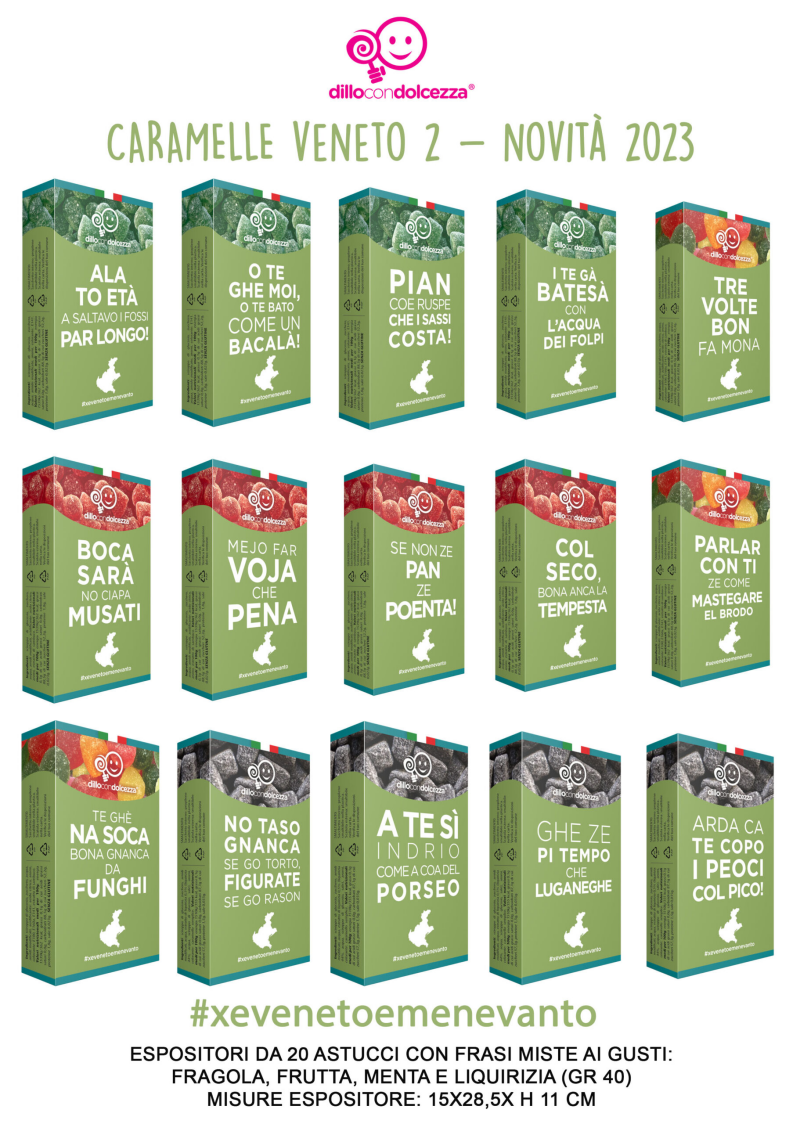
Welcome to the vibrant Venetian land, a mosaic of history, art, nature and, no less important, a popular language rich in nuances: the Venetian dialect. Here at Casa Luna, in the heart of Montegrotto Terme, we invite you to discover not only the benefits of our thermal waters and the beauty of the Euganean Hills, but also the liveliness of an idiom that pulses in everyday conversations, carrying with it centuries of history and traditions. This article is an open window on the fascinating world of the Venetian dialect, a journey through sounds, words and idioms that will help you connect in a more authentic way with the local people and make your stay even more unforgettable. Prepare for a linguistic plunge that will make you smile and, who knows, maybe push you to try your hand at some local expressions!
Historical Roots and the Variety of the Venetian Dialect
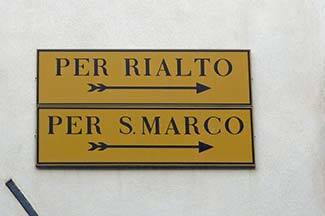
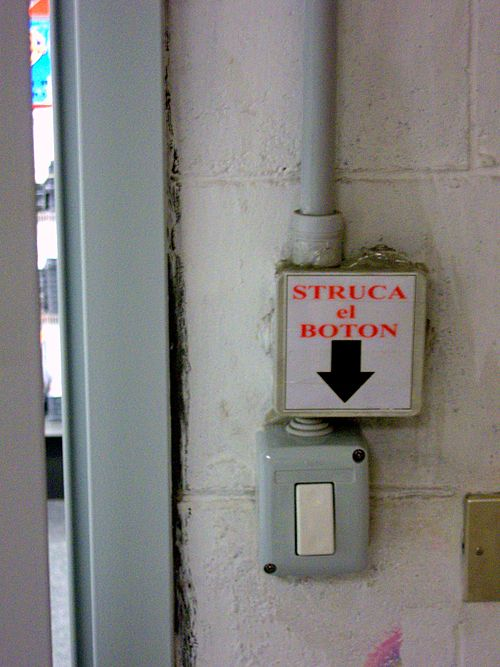
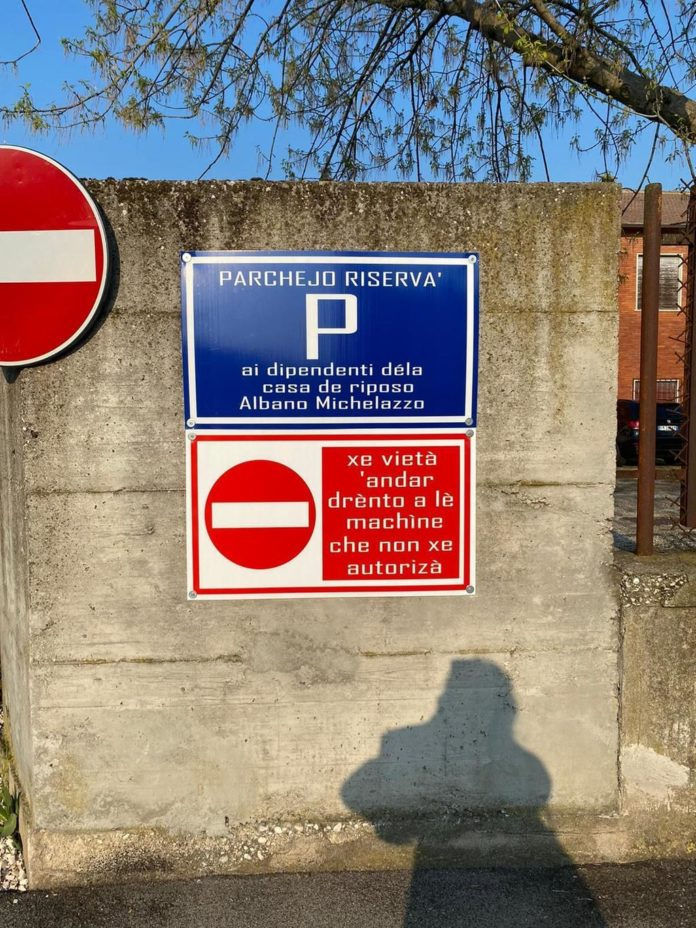
The Venetian dialect has its roots in Vulgar Latin, evolving over the centuries under the influence of the different dominations that have characterized the region, from the Republic of Venice to the Austro-Hungarian Empire. Precisely the long and glorious history of the Serenissima contributed to spreading a form of Venetian dialect (the "Venetian") which had a significant influence on the variants spoken in other areas of Veneto. It is important to emphasize that the Venetian dialect is not a monolithic entity. There are numerous local variants, sometimes even significant ones, which change from city to city and even from town to town. Inflections, vocabulary and some expressions can vary considerably between Venice, Padua, Verona, Vicenza, Treviso, Rovigo and Belluno. Here in the area of Montegrotto Terme and the Euganean Hills, you will hear a speech that is affected by the Paduan influence, but with its own specificities.
An Essential Vocabulary to "Survive" with Sympathy
Let's start with some words and phrases of daily use that will come in handy and make you look good:
Greetings:
-
Ciao: Universal, but always well accepted.
-
Bondì: Excellent for greeting during the morning and early afternoon.
-
Bon pomeriggio: Good alternative to "Bondì" in the late afternoon.
-
Bonasera: To wish a good evening.
-
Bonanote: Good night.
-
Se vedemo!: See you! An informal greeting to take leave.
-
A presto: This is also common.
Courtesy:
-
Grazie: Like in Italian.
-
Grazie tante!/Mille grazie!: To express greater gratitude.
-
Prego: Standard, but often replaced by a cordial "Figurati!" or "De gnente!" (You're welcome!).
-
Permesso: To ask for way or attention.
-
Scusa/Scusi: To apologize.
Simple Questions and Answers:
-
Come sta? / Come stèu? (formal/informal): How are you?
-
Sto ben, grazie: I'm fine, thank you.
-
Tuto a posto?: Everything okay?
-
Sì, tuto a posto: Yes, everything is fine.
-
Quanto costa?: How much does it cost? (You might also hear "Quanto spendo de schei?")
-
Dove andèu?: Where are you going?
-
No lo so: I don't know.
-
No capisso: I don't understand.
-
Parla piano, par favore: Speak slowly, please.
Useful Words:
-
Schei: Money. Fundamental!
-
Tocio/a: Boy/Girl. Often used affectionately.
-
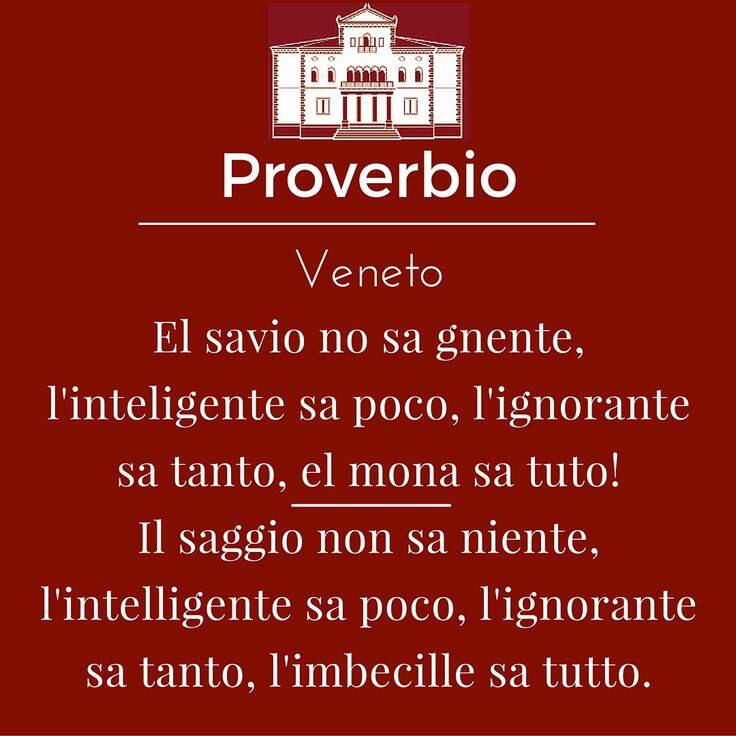
Mona/o: As mentioned, use it with extreme caution and only if you have well understood the context and intonation. It can be playful, affectionate (rarely) or vulgar. In case of doubt, avoid it!
-
Spago: Rope.
-
Buseta: Bottle (especially of wine).
-
Goto: Glass.
-
Magnare: To eat (noun and verb). "Ghe n'è da magnare?" (Is there food?).
-
Bevar: To drink. "Andemo a bevar un'ombra?" (Let's go drink a glass of wine?).
-
Lavoro: Work.
-
Casa: House.
-
Strada: Road.
-
Ponte: Bridge.
-
Ciesa: Church.
-
Ospedale: Hospital.
Key Verbs: A Taste of Venetian Grammar
The conjugation of verbs in Venetian dialect can differ significantly from Italian. Here are some fundamental verbs in their present indicative form (only the first person singular for simplicity):
-
Essere: Mi son (I am)
-
Avere: Mi go (I have)
-
Andare: Mi vo (I go)
-
Fare: Mi fasso (I do)
-
Dire: Mi digo (I say)
-
Volere: Mi vojo (I want)
-
Potere: Mi posso (I can)
-
Dovere: Mi devo (I must)
-
Parlare: Mi parlo (I speak)
-
Capire: Mi capisso (I understand)
Idioms and Proverbs: Popular Wisdom in Pills
-
"Chi no lavora no fa l'amore": A playful way to say that those who don't work don't achieve anything good.
-
"Meglio un morto in casa che un avvocato alla porta": A proverb reflecting a certain distrust towards the legal profession.
-
"Chi va pian va san e va lontano": He who goes slowly goes safely and goes far (similar to Italian).
-
"No staRemo a far i spiosi!": Let's not waste time with useless chatter!
-
"Esser 'na pippa": To be incapable, not good at something.
-
"Andar in brodo de giuggiole": To be very happy, in seventh heaven.
-
"A ocio": To do something without measuring precisely, "by eye".
-
"Piano pianelo": With great calm and slowness.
-
"Tutto fa brodo": Everything can be useful.
-
"Occhio non vede, cuore non duole": Out of sight, out of mind (similar to Italian).
The Influence of Dialect in Daily Life
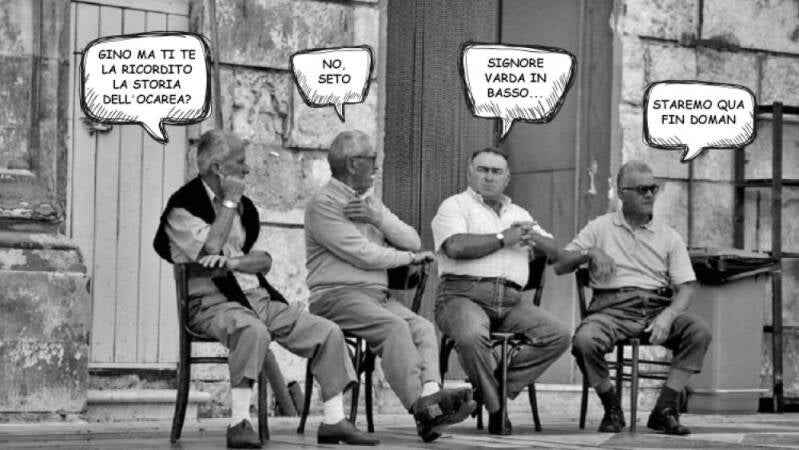
Even if Italian is the official and most spoken language, the Venetian dialect remains an integral part of the daily life of many people, especially among the older generations and in informal contexts. You will hear it in markets, taverns, in conversations between friends and family. It is a sign of belonging, of identity and of human warmth.
An Invitation to Listening and Smiling
During your stay at Casa Luna and in your explorations in the surroundings, we encourage you to listen carefully to the nuances of the Venetian dialect. Do not be afraid to ask for the meaning of a word or an expression that intrigues you. Local people will often be happy to share with you a little piece of their linguistic culture.
And if a "Bondì" or a "Grazie tante!" escapes you, prepare to receive a warm smile in return!
We hope that this more in-depth journey into the Venetian dialect has enriched and amused you. "Se vedemo" in the next post, and maybe, in the next chat in dialect! Leave a comment also in dialect!!!
FAQ:
-
Is the Venetian dialect hard to understand? Many words resemble Italian or Spanish/French, so with a little attention it is understandable.
-
Is the dialect still spoken in Montegrotto? Yes, it is very alive in informal conversations, at the market and in local taverns.
-
What does "ombra" mean in Venetian? It refers to a small glass of wine, a term born in Venice where wine was sold in the shadow (ombra) of the St. Mark's bell tower.





"Do you want to delve into the history and secrets hidden behind the beauty of our territory? Download our free 10-page guide to plan your bespoke excursions and unlock the exclusive benefits of the Club Casa Luna."
Read our Pillar article: The Charm of Euganean History and Culture: Venetian Villas and Villages
Back to "Culture and Surroundings"
Aggiungi commento
Commenti