

Looking up at the sinuous profile of the Euganean Hills, dotted with ancient villages and enveloped in lush vegetation, it is easy to be enchanted by their intrinsic beauty. But behind this idyllic scenery lies a millenary history, carved in time by primordial forces. The geology of this unique area of Veneto is not just a picturesque backdrop, but the very foundation of its identity, shaping the landscape, influencing biodiversity, enriching natural resources, and even defining the character of its renowned products. Let's undertake a deep journey into the rock heart of the Euganean Hills, to reveal how their extraordinary geology continues to shape the territory we love.
An Unexpected Volcanic Past: The Genesis of the Hills
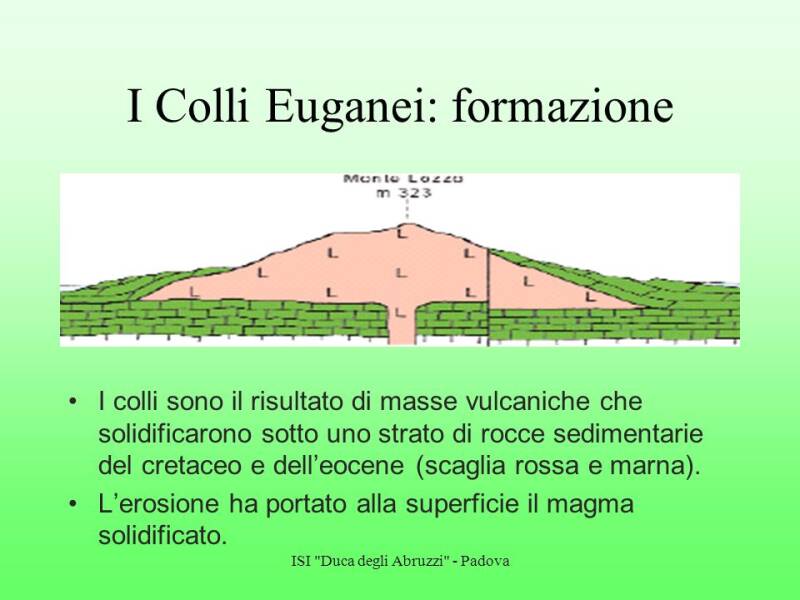
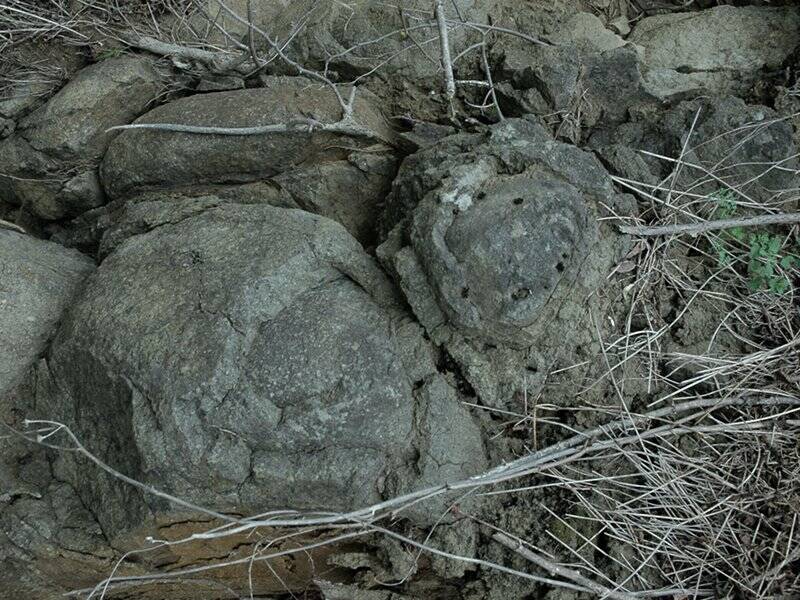
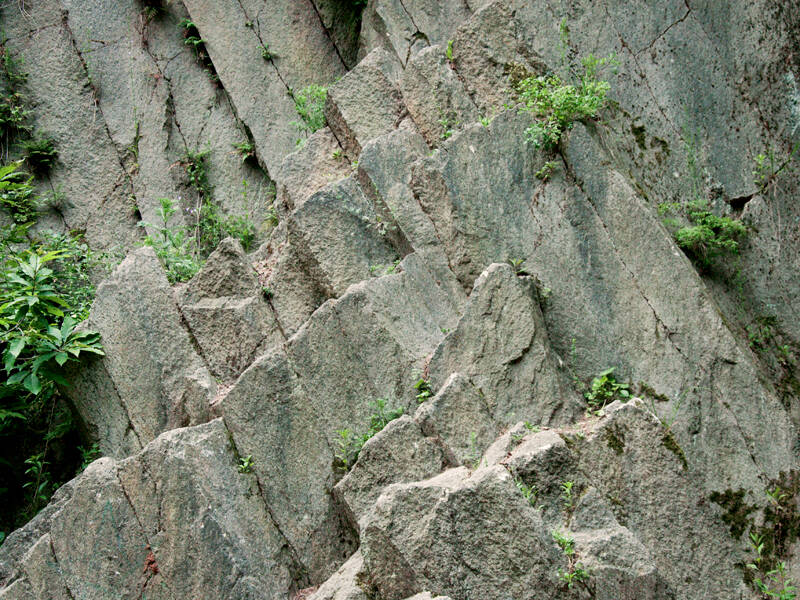
Contrary to the predominantly sedimentary landscape of the surrounding Po Valley, the Euganean Hills reveal a surprising volcanic origin. Millions of years ago, mainly during the Tertiary period (between 60 and 20 million years ago), intense underwater and subaerial eruptive activities gave life to these hilly formations. Different eruptive phases, interspersed with periods of quiet, deposited a variety of volcanic rocks. We thus find dark and compact basalt, lighter and rougher trachyte, and rhyolite, often rich in crystals. This volcanic origin is the cornerstone of their geological uniqueness, clearly distinguishing them from the surrounding context.
The Sculpture of Time: Erosion Shapes the Landscape
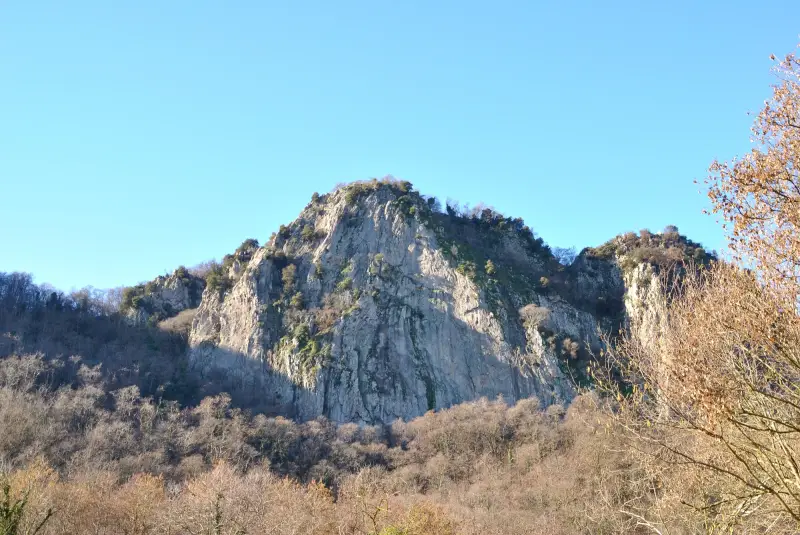
After their tumultuous volcanic birth, the Euganean Hills were subjected to the slow but inexorable sculpture of atmospheric agents. Water, with its action of dissolution and transport, the wind that polishes and shapes, and the glaciers that lapped their slopes during the ice ages, contributed to creating the sweet and conical shapes we admire today. The different resistance to erosion of the volcanic rocks played a crucial role: the harder rocks formed the ridges and summits, while the softer ones gave rise to gentler valleys and slopes. This interaction between rock composition and erosive forces created a varied and fascinating landscape, characterized by unmistakable profiles and rocky outcrops that tell millenary geological stories.
A Hidden Treasure: Geological Resources at the Service of the Territory
The volcanic past of the Euganean Hills has bequeathed precious resources that continue to benefit the territory:
-
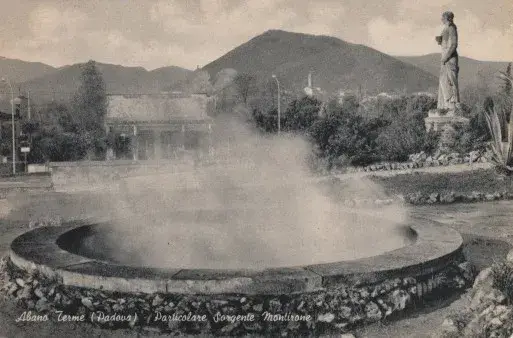
Precious Thermal Waters: The most direct and famous link is represented by the thermal waters of Abano and Montegrotto Terme. Rainwater, slowly infiltrating underground through permeable rocks, reaches great depths where it is heated by the residual heat of deep volcanism. During this underground journey, the water is enriched with precious minerals, acquiring the therapeutic properties that make these spas famous throughout the world. Deep geology is therefore the key to understanding this vital resource.
-
Construction Materials with a Volcanic Soul: Throughout history, Euganean trachyte, a local volcanic rock, has been widely used as a construction material for palaces, churches, and streets, giving a distinctive character to local architecture. Its resistance and warm coloring make it an identity element of the built landscape.
-
A Rich Subsoil: Clay and Minerals: In some areas, the processes of alteration of volcanic rocks led to the formation of clay deposits, traditionally used for the production of ceramics and bricks. The presence of other minerals, albeit in smaller quantities, contributes to the geochemical complexity of the territory.
Geology as a Cradle of Biodiversity
The variety of volcanic parent rocks has given rise to a diversity of soils with unique chemical-physical characteristics. These soils, in turn, deeply influence the composition of the flora of the Euganean Hills. Basaltic soils, for example, tend to be richer in minerals and retain water better, favoring the growth of specific plant species. This plant diversity creates a multitude of habitats that host a rich fauna, with animal species closely linked to the particular ecological conditions created by the underlying geology.
Geology, Wine, and Oil: The Euganean Terroir, a Gift of the Earth
Food and wine enthusiasts know well how "terroir" – the set of environmental factors, including soil geology – influences the unique characteristics of agricultural products. In the Euganean Hills, the volcanic composition of the soil plays a fundamental role in defining the character of the wines and extra virgin olive oil. The minerals present in volcanic rocks can give wines particular notes, influencing their acidity and structure. Similarly, the composition of the soil affects the organoleptic characteristics of the oil, contributing to its aromatic complexity and distinctive flavor profile.
Geosites: Windows on the Geological Past to Preserve
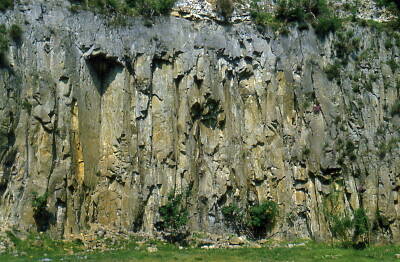
The Euganean Hills host numerous "geosites," or places of particular geological interest that testify to the evolutionary history of the territory. Spectacular rocky outcrops, ancient quarries revealing volcanic stratifications, and unique geological formations represent an invaluable heritage from a scientific, educational, and tourist point of view. Their preservation and enhancement are fundamental to fully understand and appreciate the geological richness of this area. Guided geological paths offer visitors the opportunity to read the history of the Earth engraved in the rocks.
Geology and Territory: Knowing to Prevent
Although the Euganean Hills are not an area at high seismic risk, knowledge of their geology is still important for territorial planning and land management. Understanding the stability of the slopes, the nature of the soils, and the presence of any geological fragilities is fundamental to prevent phenomena such as landslides and mudslides, ensuring sustainable management of the territory and the safety of local communities.
Conclusion: A Geological Heritage to Celebrate and Understand, Guests of a Unique Land
The geology of the Euganean Hills is much more than a simple scientific description; it is the soul of this territory. It has shaped a unique landscape, donated precious resources, contributed to its biodiversity, and even influenced the flavors of its table. Understanding the importance of the "rock heart" of these hills means fully appreciating their identity and richness. During your stay at Casa Luna, you will have the opportunity to immerse yourself in this extraordinary scenery, witness to a millenary geological history. Whether you are relaxing in the beneficial thermal waters, the result of this ancient volcanism, or exploring the paths that wind through the hills shaped by erosion, you will be constantly surrounded by the signs of a fascinating geological past. The next time you admire the view from your window at Casa Luna or sip a glass of local wine, the result of a unique terroir shaped by these rocks, remember the long and fascinating geological journey that made the Euganean Hills such a special place.
FAQ
-
Are the Euganean Hills extinct volcanoes? They are not volcanoes in the classic sense (with a crater), but magmatic bodies that rose from the seabed millions of years ago.
-
What is the most famous rock of the Hills? Trachyte, historically used to pave St. Mark's Square in Venice due to its resistance.
-
How does geology relate to the spas? Deep volcanic rocks heat the rainwater that descends underground, charging it with healing minerals.





"Do you want to delve into the history and secrets hidden behind the beauty of our territory? Download our free 10-page guide to plan your bespoke excursions and unlock the exclusive benefits of the Club Casa Luna."
Read our Pillar article: The Charm of Euganean History and Culture: Venetian Villas and Villages
Back to: "Culture and Surroundings"
Aggiungi commento
Commenti