

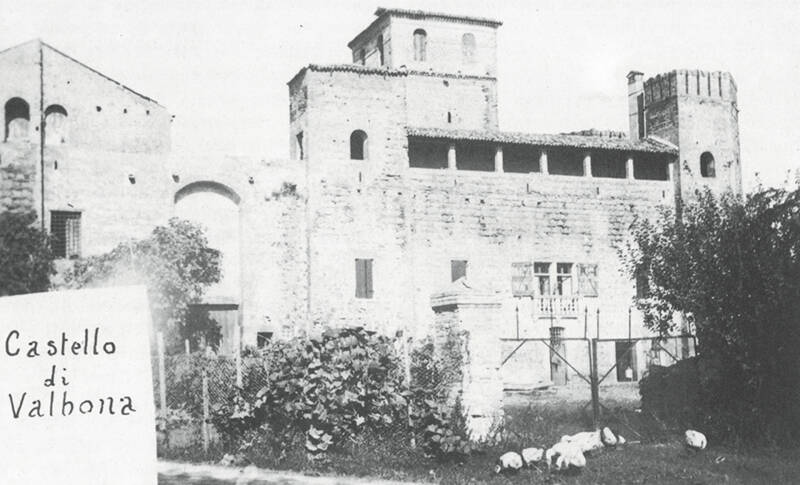
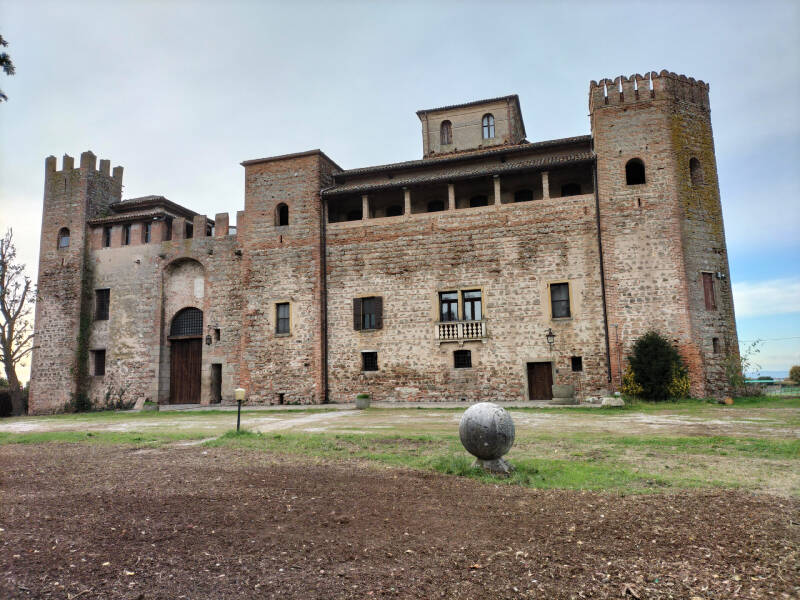
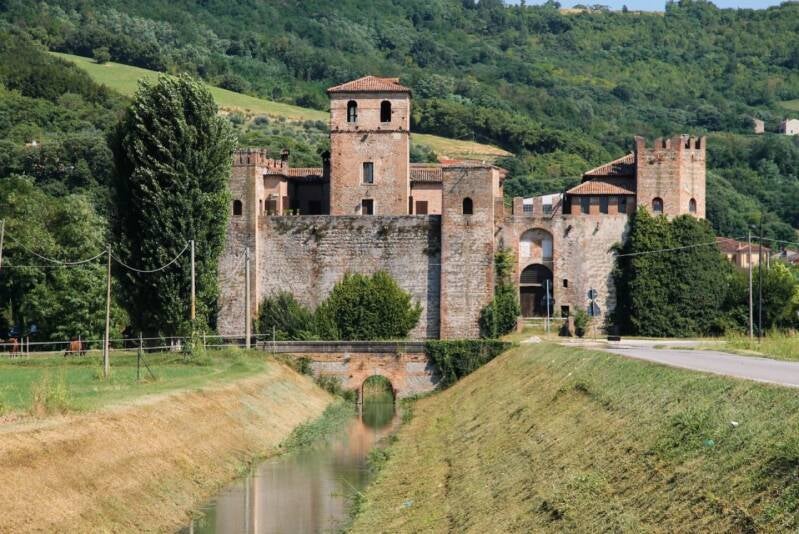
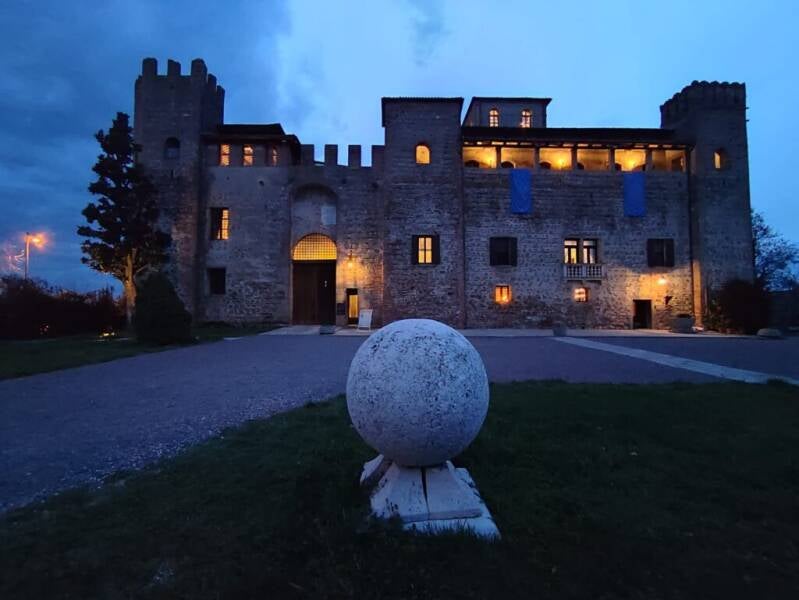
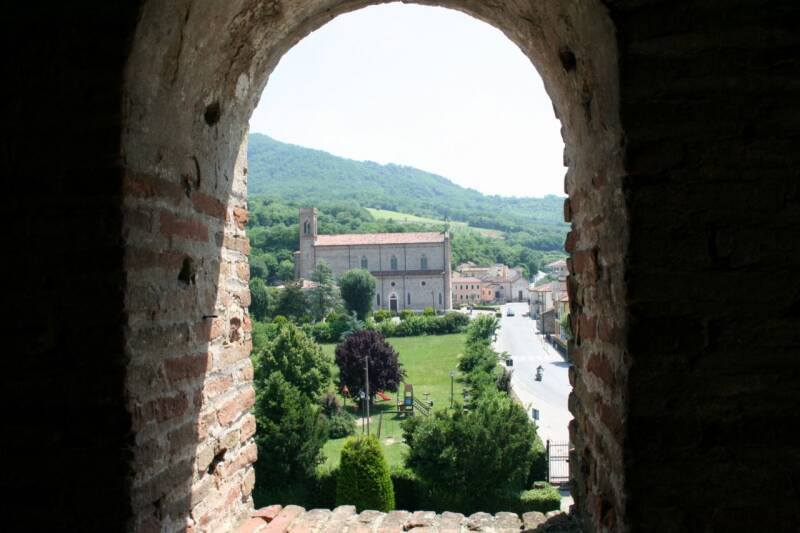
The Valbona Castle is a mighty medieval fortress that dominates the plain to the west of Mount Lozzo. The strategic role of this ancient medieval bulwark, which overlooks the border between the Paduan and Vicentine territories, is evident. In all probability, its construction dates back to the 13th century, a period marked by the tumultuous wars between Guelphs and Ghibellines. The first owners were the Lords of Lozzo, descendants of a branch of the noble Paduan Maltraversi family, who in 983 received control of the fief from which they took their name from the Emperor.
History of Valbona
- Castle Origins and Foundation
Valbona Castle was built in the 13th century, a time characterized by political fragmentation and conflicts between various lordships. Its strategic position, on a hill overlooking the surrounding valley, made it a fundamental observation and defense point against enemy incursions. Its construction is attributed to a local noble family seeking to assert their power and influence in the region.
- Development and Renovations
Over the centuries, the castle underwent several renovations and expansions. During the 14th and 15th centuries, with the increase in tensions between the various factions, the castle was further fortified. The towers were raised and the walls reinforced, making it an impregnable bastion. In the Renaissance, the castle also became a cultural center, hosting artists and intellectuals. The interior decorations and gardens were embellished, reflecting the artistic trends of the time. However, with the advent of artillery and new techniques of warfare, the castle gradually lost its defensive function.
- Historical Events
Valbona Castle has seen numerous significant historical events. During the wars between the various lordships, it was the scene of sieges and battles. Over time, it passed from hand to hand, becoming the property of various noble families. Each family made modifications and improvements, contributing to its architectural evolution. In the 19th century, with the unification of Italy, the castle underwent a period of abandonment, but in the last decades it has been the subject of restoration and enhancement, becoming an important tourist site.
Architecture of Valbona Castle
- Structure and Design:
Valbona Castle presents an architecture typical of medieval castles, with an irregular plan that adapts to the hilly terrain. The walls are thick and built of local stone, offering solid protection. The towers, tall and slender, served both as observation points and as dwellings for nobles and soldiers.
- Architectural Elements
Towers: The castle is equipped with several towers, some of which feature battlements and loopholes, used for defense. The main tower, often the tallest, served as a command point.
Walls: The perimeter walls are imposing and well-preserved, with thick stones that tell centuries of history. Some stretches of the walls still show signs of ancient sieges.
Gates and Entrances: The main entrance is characterized by a large wooden door, often decorated with heraldic motifs. Inside, a central courtyard welcomes visitors, surrounded by buildings that once housed the rooms of nobles and soldiers.
- Interiors and Decorations
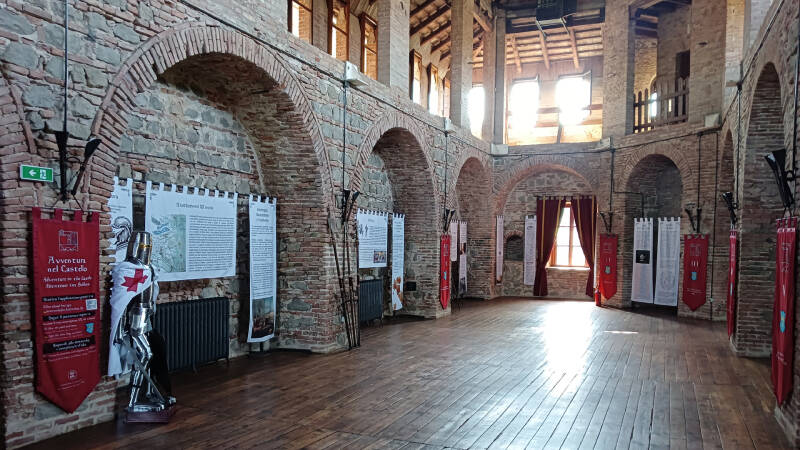
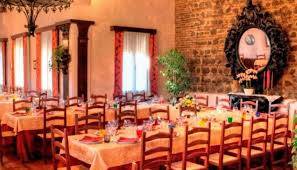
Inside the castle, you can find rooms decorated with frescoes and stuccos, which reflect the artistic style of the period in which they were created. The main halls were used for banquets and meetings, while the private rooms of the nobles were furnished with period furniture and works of art.
- Gardens and Outdoor Spaces
The castle is surrounded by gardens that, although renovated over the years, maintain historical elements. These green spaces were used for the cultivation of medicinal and aromatic plants, in addition to serving as a place of recreation for the nobility.
Legends and Myths of Valbona Castle
- Ghosts and Spirits
The Ghost of the Noblewoman: One of the most famous legends tells of a noblewoman who, after being betrayed by her lover, still wanders within the castle walls. It is said that her figure appears on full moon nights, dressed in a white gown, weeping for her loss. Visitors who have had the luck (or misfortune) to encounter her talk of intense cold and a sense of deep sadness. The Wandering Knight: Another legend speaks of a knight who, in search of revenge for the death of his beloved, still wanders in the castle. It is said that his spirit protects the castle from intruders and ill-intentioned people. Some say they have heard the clang of his armor and the sound of his horse near the towers.
- Impossible Loves
The Story of Two Lovers: One of the most romantic stories linked to the castle is that of two young lovers belonging to rival families. It is said that they met secretly in the castle, promising each other eternal love. However, their story ended tragically, and it is said that their souls remained bound to the castle, trying to reunite every year on the day of their anniversary. The Secret Garden: It is said that in the castle garden there is a secret place where the lovers used to meet. This garden, hidden by high hedges, is considered a magical place, where anyone who enters with a pure heart can find true love. Some visitors claim to have felt a strange positive energy in this place.
- Curses and Prophecies
The Curse of the Castle: A legend tells that the castle was cursed by a powerful sorcerer, who swore revenge against the family that ruled it. It is said that anyone who attempts to occupy the castle without the permission of the original family will be struck by misfortunes and disasters. This curse has led to numerous unfortunate events for those who have sought to take possession of the castle over the centuries. The Prophecy of the Tower: Another legend speaks of a prophecy that predicts the return of a hero who will free the castle from a curse. It is said that this hero will appear when the castle is in danger, and that the main tower will be the place where the final battle will take place. The villagers believe that the tower is a sacred place and that it is necessary to protect it.
- Magical Creatures
The Fairies of the Castle: Some local tales speak of fairies who inhabit the woods surrounding the castle. It is said that these magical creatures protect the castle and its inhabitants, intervening in case of danger. The villagers often leave small gifts near the castle, hoping to earn their benevolence. The Dragon of Valbona: A less known legend tells of a dragon that once lived in the caves near the castle. This dragon, feared by all, was actually a guardian of the castle, protecting it from invaders and ill-intentioned people. It is said that the dragon disappeared after finding a trustworthy hero, but its legend continues to live on among the inhabitants.
Cultural Importance of Valbona Castle
- Historical Heritage
Valbona Castle represents an important historical heritage for the region. Its medieval architecture and the stories that surround it offer a valuable insight into the life and culture of the past. The conservation of the castle is fundamental to keeping the historical memory alive and to educating future generations about local history.
- Research and Study Center
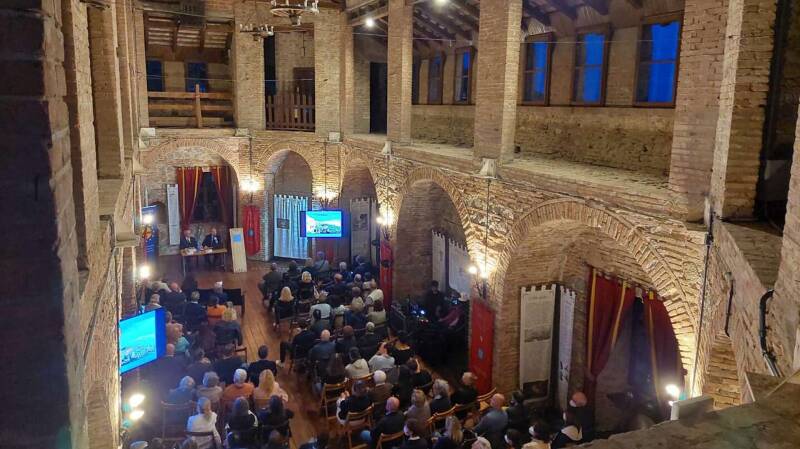
The castle is often used as a venue for conferences, seminars and workshops dedicated to medieval history, architecture and the conservation of cultural heritage. Universities and research institutes collaborate with local authorities to promote studies and research that deepen the history of the castle and the surrounding region. These events not only enrich historical knowledge but also foster dialogue between scholars and enthusiasts.
- Historical Reenactments
Valbona Castle regularly hosts historical reenactments and medieval festivals, which attract visitors from all over the country. These events offer a unique opportunity to relive history through shows, medieval markets, fights and demonstrations of ancient crafts. Such manifestations not only celebrate local history but also promote traditional art and culture, involving the community and tourists.
- Cultural Collaborations
The castle is often at the center of collaborations with artists, musicians and writers, who find inspiration in its history and its atmosphere. Art exhibitions, concerts and theatrical performances are organized within its walls, creating a bridge between the past and the present. These initiatives contribute to making the castle a living and dynamic place, where culture is expressed in multiple forms.
Tourist Importance of Valbona Castle
- Tourist Attraction
Valbona Castle is one of the main tourist attractions in the region, attracting visitors from all over the world. Its panoramic position, architectural beauty and fascinating stories make it an unmissable place for those visiting the area. Guided tours offer an immersive experience, allowing tourists to explore the history of the castle and discover the secrets of its walls.
- Economic Development
Tourism linked to Valbona Castle has a significant impact on the local economy. Visitors contribute to the economy through the purchase of entrance tickets, souvenirs, food and accommodation. This flow of visitors also stimulates local employment, creating jobs in the sectors of tourism, catering and craftsmanship.
- Cultural Itineraries
The castle is part of broader cultural itineraries that include other historical and natural sites in the region. These tourist routes offer visitors the opportunity to explore the cultural and natural richness of the territory, promoting sustainable and responsible tourism. The integration of the castle in these itineraries contributes to enhancing the entire area, making it more attractive for tourists.
- Education and Awareness
Valbona Castle also plays an educational role, offering programs for schools and groups. Guided tours and educational activities allow young people to learn history in an interactive and engaging way. Furthermore, the castle promotes awareness of the conservation of cultural heritage, encouraging visitors to respect and protect historical places.
Conclusion
Valbona Castle, with its rich history and fascinating legends, represents an unmissable stop for those visiting the region. Its cultural and tourist importance not only enriches the experience of visitors but also contributes to local economic development. Casa Luna, located nearby, offers an ideal stay for those who wish to explore the castle and immerse themselves in the beauty of the territory. With a welcoming atmosphere and high-quality services, Casa Luna is the perfect starting point to discover the wonders of Valbona Castle and live an unforgettable experience in the heart of local history and culture.
FAQ:
-
Where is Valbona Castle located? It is in Lozzo Atestino, at the foot of Mount Lozzo, strategically placed between Padua and Vicenza.
-
What are the most famous legends of the castle? The most famous involve the ghost of a lady in white and a wandering knight who protects the fortress.
-
Can the castle be visited? Yes, it is a major tourist site offering guided tours, historical events, and cultural exhibitions.








"Do you want to delve into the history and secrets hidden behind the beauty of our territory? Download our free 10-page guide to plan your bespoke excursions and unlock the exclusive benefits of the Club Casa Luna."
Read our Pillar article:The Charm of Euganean History: Venetian Villas and Villages
Back to: Culture and surroundings
Aggiungi commento
Commenti