

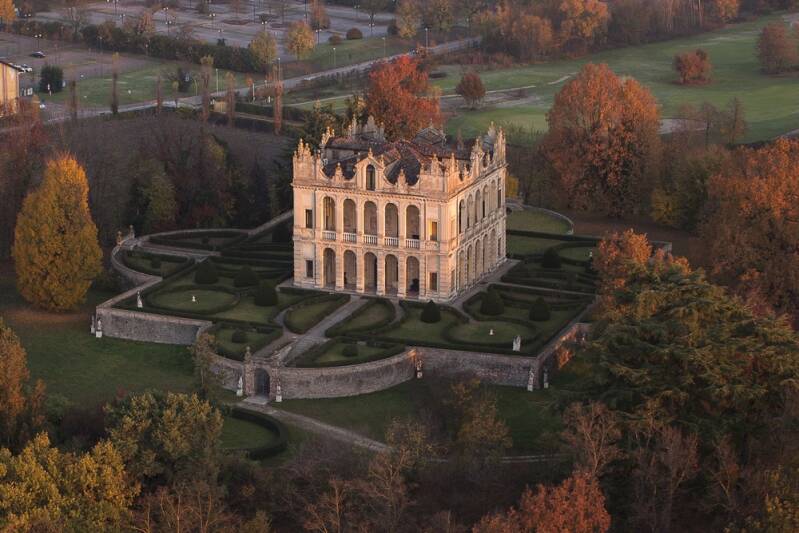
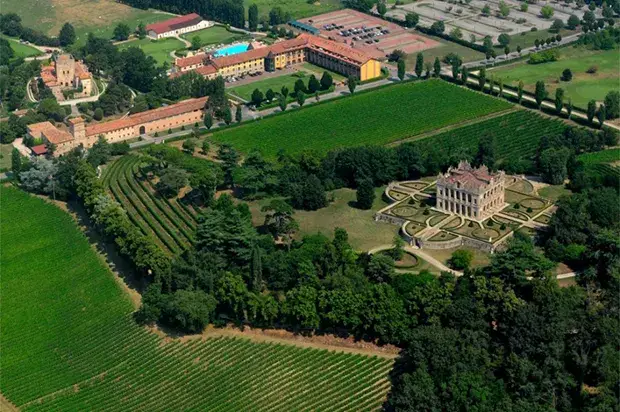
Villa Emo Capodilista is one of the most fascinating Venetian villas, situated in the heart of the Euganean Hills, an area characterized by volcanic hills, breathtaking landscapes, and rich biodiversity. The villa was built in 1568 at the behest of the Emo family, one of the most influential noble families of the Republic of Venice. The design is attributed to Dario Varotari, an architect and painter who was able to combine Renaissance aesthetics with the functional needs of noble life.
History and Context
- Origins of the Villa
The construction of Villa Emo Capodilista dates back to 1568, a period of great cultural and artistic ferment in Veneto, coinciding with the Renaissance. The villa was commissioned by the Emo family, one of the most influential noble families of the Republic of Venice. The choice to build a villa in the Euganean Hills was not accidental: this area was appreciated for its natural beauty, its hilly landscapes, and its strategic position, which made it an ideal place for hunting and relaxation.
- The Emo Family
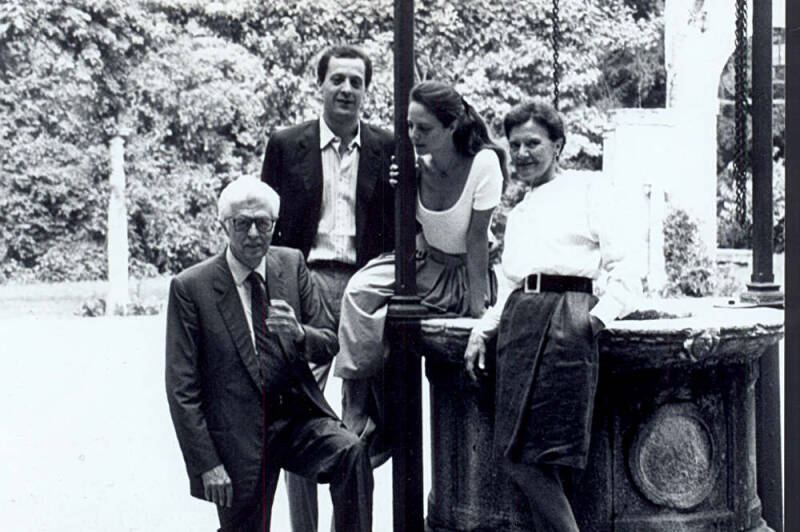
The Emo family has a long and prestigious history dating back to the Middle Ages. Originally from Venice, the family distinguished itself for its commitment to the political and commercial life of the Republic. Family members often occupied prominent positions, both in the political and military spheres. The villa represented not only a place of recreation, but also a symbol of the family's power and wealth. Over the centuries, the villa has undergone several modifications and additions, reflecting changes in architectural tastes and the family's needs. During the eighteenth century, the villa became an important center of social and cultural life, hosting nobles, artists, and intellectuals of the time.
- The Historical Context
The period in which Villa Emo Capodilista was built is characterized by important historical and cultural events. The Republic of Venice, at the height of its power, was a center of commercial and cultural exchanges between East and West. This context favored the development of refined architecture and a vibrant cultural life, which is reflected in the Venetian villas. The Euganean Hills, with their volcanic geology and rich biodiversity, were already known for their healing properties and for the production of fine wines. The villa fits perfectly into this context, becoming a meeting place for the nobility and a center for agricultural production.
- Evolution and Renovations
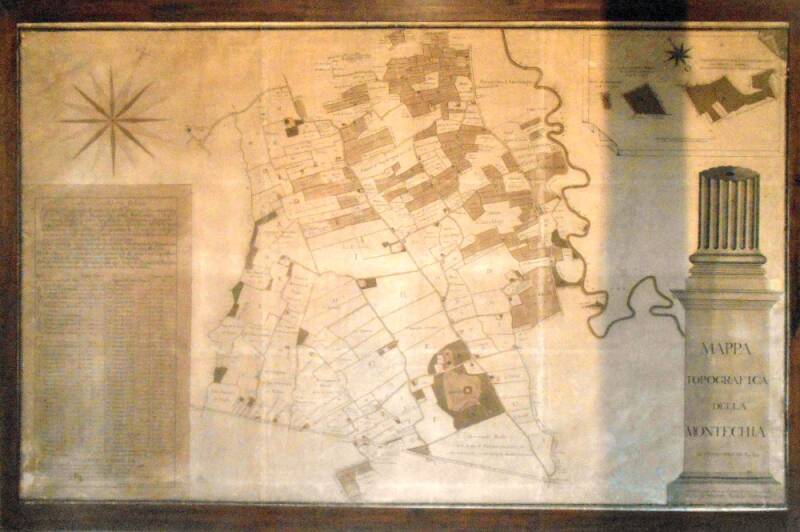
Over the centuries, Villa Emo Capodilista has undergone several renovations and modifications. During the 19th century, the villa changed hands and underwent a period of abandonment, but in the 20th century, it was restored and brought back to its former glory. Today, the villa is an example of how historical architecture can be preserved and valued, keeping the memory of the Venetian nobility alive. Cultural Significance Villa Emo Capodilista is not only an important architectural testimony, but also represents a cultural heritage that tells the history of the Venetian nobility and the Republic of Venice. The villa is a symbol of aristocratic life, culture, and Venetian traditions, and continues to be a meeting place for cultural events, concerts, and exhibitions.
- Architecture and Design
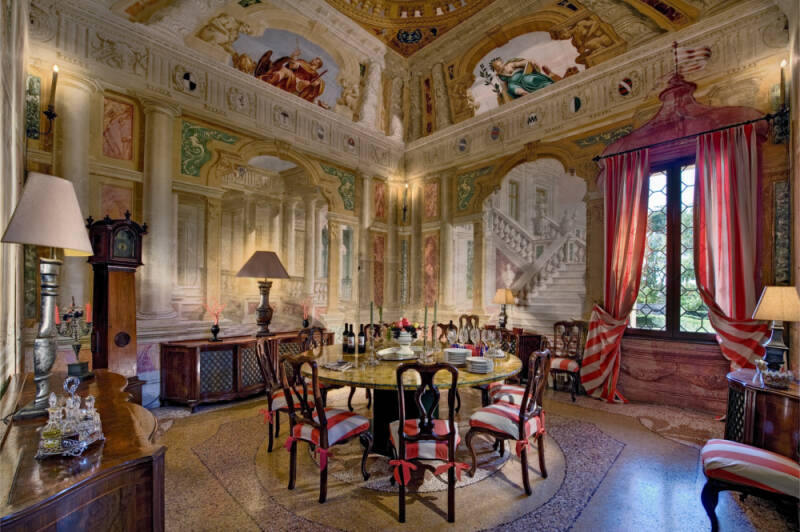
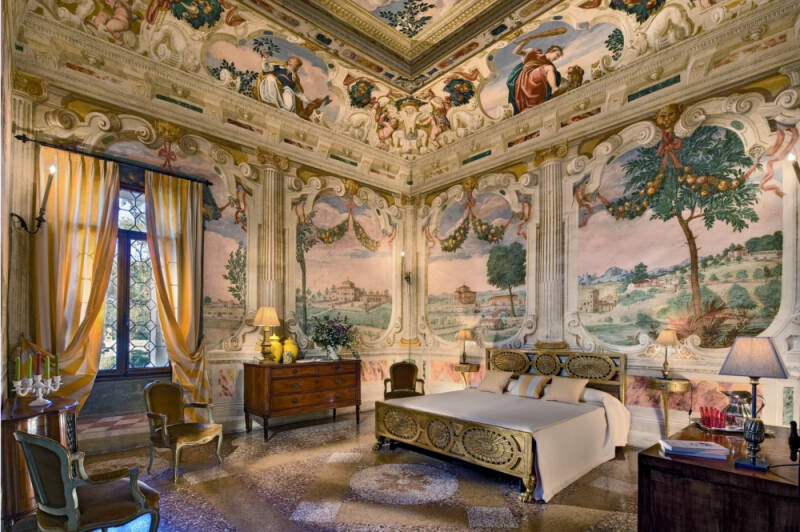
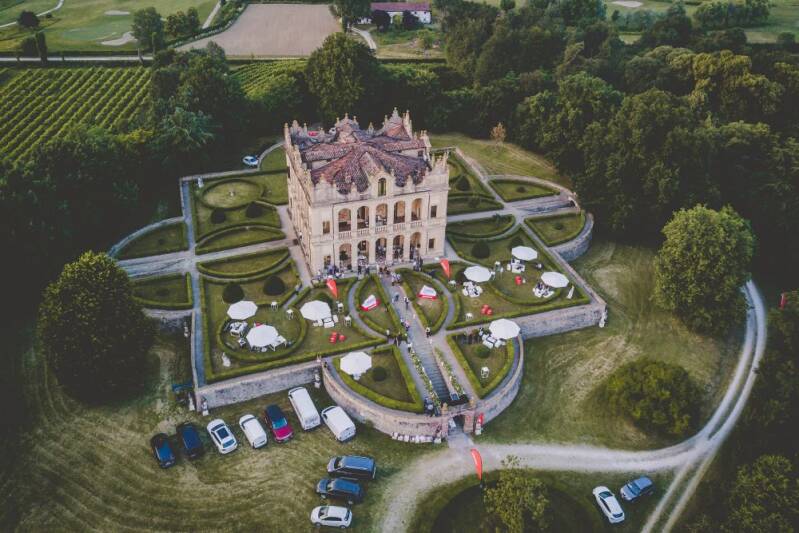
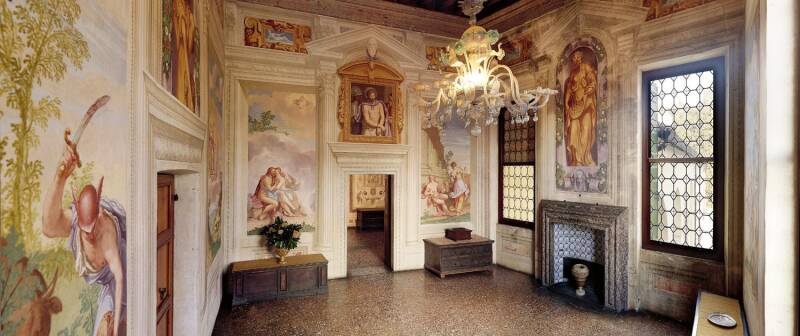
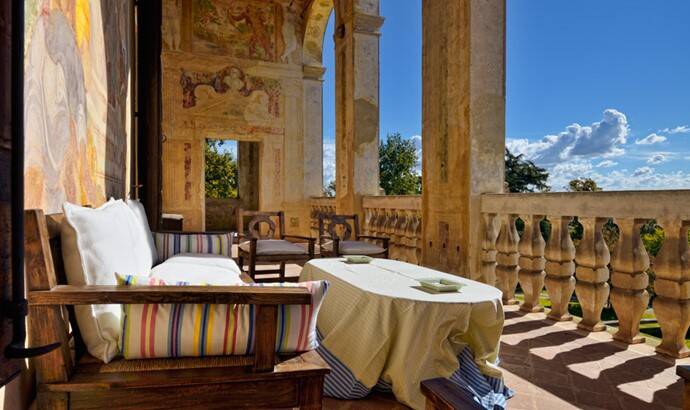
The villa has a square plan, typical of Venetian villas, with a large central courtyard. The facade is characterized by an elegant portico with columns, which gives a sense of grandeur and openness towards the surrounding landscape. The interiors are decorated with frescoes and stuccos that reflect the taste of the period, with mythological and allegorical scenes telling the story of the Emo family and their virtues. The park surrounding the villa is an example of an Italian garden, with geometric flowerbeds, fountains, and statues that create an atmosphere of harmony and beauty. This green space not only served as a place of recreation for the nobility, but was also a symbol of power and prestige.
- Cultural Importance
Villa Emo Capodilista is not only an example of Renaissance architecture, but is also an important cultural center. Over the centuries, the villa has hosted numerous events, concerts, and art exhibitions, becoming a reference point for local culture. Its position in the Euganean Hills, an area rich in history and traditions, makes it an ideal place to explore Venetian culture.
- Activities and Visits
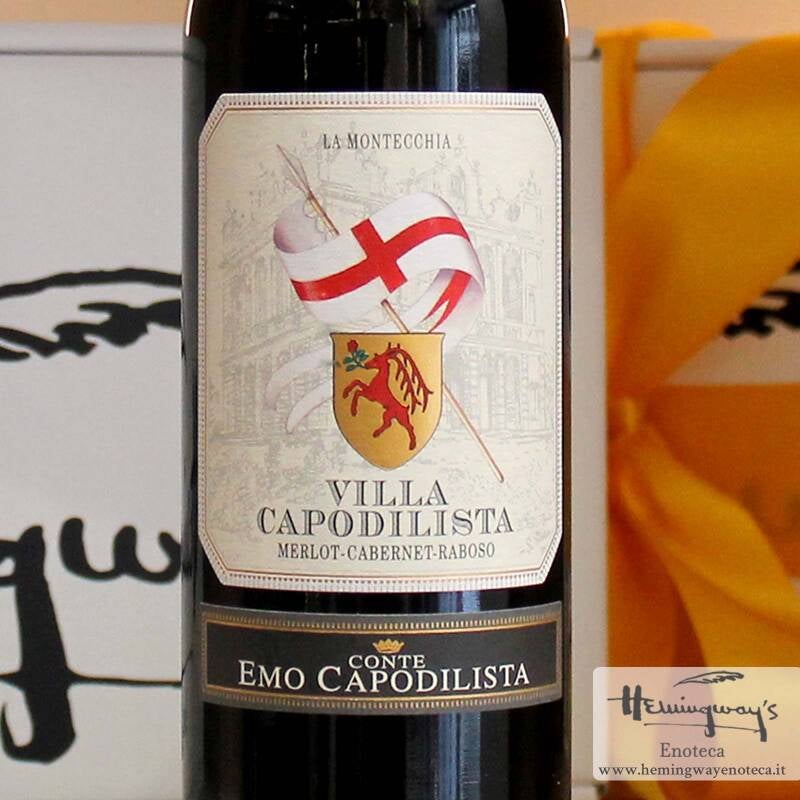
Today, Villa Emo Capodilista is open to the public and offers various activities. Visitors can explore the interiors of the villa, admire the frescoes, and walk in the park. In addition, the villa is home to an agricultural estate that produces high-quality wines, offering tastings and guided tours to discover the winemaking process.
Agricultural Estate of Villa Emo Capodilista
- An Agricultural Heritage
The agricultural estate of Villa Emo Capodilista is an example of how the Venetian agricultural tradition integrates with the history and architecture of the villa. This estate is not only a place of production, but also represents a deep bond with the territory and its natural resources. The Euganean Hills, with their favorable climate and fertile soil, are ideal for the cultivation of different grape varieties and for the production of high-quality wines.
- The Cellar
The cellar of Villa Emo Capodilista is a place where winemaking tradition meets modern winemaking techniques. Here, visitors can discover the wine production process, from the grape harvest to fermentation and aging in oak barrels. The cellar is equipped with cutting-edge technologies but maintains a strong link with traditional practices, thus ensuring the quality and authenticity of the wines produced.
- Estate Wines
the estate produces a selection of wines typical of the region, including:
Serprino: A fresh and aromatic sparkling wine, perfect for accompanying appetizers and light dishes.
Merlot: A full-bodied and structured red wine, ideal for meat dishes and aged cheeses.
Cabernet Sauvignon: A robust and complex wine that pairs well with rich and flavorful dishes.
White wines: The estate also produces fresh and fragrant white wines, perfect for summer and to accompany fish dishes.
Wine Tasting Wine tasting is an unmissable experience for anyone visiting the estate. Guests can participate in guided tasting sessions, during which expert sommeliers present the various wines, explaining the organoleptic characteristics and production techniques. During the tasting, it is possible to pair the wines with typical local products, such as cheeses, cold cuts, and olive oils, for a complete gastronomic experience. Tastings can be organized in different ways, from private events to group sessions, and can include tours of the cellar and the vineyard, thus offering a total immersion in the world of wine.
Events and Activities
- Harvest Festivals
One of the most anticipated events of the year is the Harvest Festival, which celebrates the grape harvest period. During this event, visitors can actively participate in the harvest, learning collection techniques and discovering the process that leads to wine production. The festival is accompanied by live music, wine tastings, and typical local dishes, creating a festive and convivial atmosphere. It is a unique opportunity to immerse yourself in the winemaking tradition and live an authentic experience.
- Cooking Classes
The estate also offers cooking classes that allow participants to learn traditional Venetian recipes. These courses are led by expert chefs and focus on the use of fresh and local ingredients, often coming directly from the estate. Participants can learn to prepare typical dishes, such as risottos, homemade pasta, and traditional desserts, and at the end of the course, they can taste the prepared dishes, paired with the estate's wines.
- Food-Wine Pairing Workshops
Food-wine pairing workshops are another popular activity at the estate. During these events, expert sommeliers guide participants through a sensory journey, teaching how to pair the estate's wines with specific dishes. Participants can discover the organoleptic characteristics of the wines and how these marry with the different flavors of food. These workshops are an excellent opportunity to deepen one's knowledge of wine and improve pairing skills.
- Cellar and Vineyard Tours
Cellar and vineyard tours offer visitors the chance to explore the wine production process in depth. During the tour, guests can see the equipment used for winemaking, visit the aging areas, and walk among the rows of vines. Expert guides share information about the history of the estate, the grape varieties grown, and the sustainable cultivation techniques used.
- Cultural and Musical Events
The estate also hosts cultural and musical events, such as concerts, theatrical performances, and art exhibitions. These events are often organized in collaboration with local artists and offer an opportunity to enjoy artistic performances in a unique and suggestive context. The combination of art, music, and wine creates a magical atmosphere, making every event a memorable experience.
- Guided Tours and Tourist Packages
For those who want a more complete experience, the estate offers tourist packages that combine guided tours of the villa, the cellar, and the vineyard, with wine tastings and lunches based on local products. These packages are ideal for groups, families, or couples looking for a romantic and gastronomic experience.
- Family Activities
The estate is also a suitable place for families, with activities designed for the little ones. During some special days, creative workshops, outdoor games, and guided tours suitable for children are organized, making the visit a fun and educational experience for all ages.
Conclusion
The history of Villa Emo Capodilista is not just a tale of nobility and architecture, but also represents an invitation to explore the beauty and culture of the Euganean Hills. This villa, with its timeless charm and historical heritage, is an unmissable stop for anyone visiting the region. After exploring the wonders of Villa Emo Capodilista, guests can continue their experience of relaxation and well-being by staying at Casa Luna in Montegrotto Terme. Located a few kilometers from the villa, Casa Luna offers a warm welcome and a peaceful environment, ideal for recharging your energy after a day of exploration. We invite you to plan your visit to Villa Emo Capodilista and to consider Casa Luna as your ideal base for exploring this fascinating region. Whether you are a history buff, a nature lover, or simply looking for relaxation, the Euganean Hills and their wonders await you!
FAQ:
-
When was Villa Emo Capodilista built? The villa was built in 1568 based on a project attributed to the architect and painter Dario Varotari.
-
What wines does the villa's estate produce? The estate produces high-quality wines including Serprino, Merlot, Cabernet Sauvignon, and various white wines.
-
Is it possible to visit the villa and the cellar? Yes, the villa is open to the public and offers guided tours of the interiors, the park, and the cellar with tastings.








"Do you want to delve into the history and secrets hidden behind the beauty of our territory? Download our free 10-page guide to plan your bespoke excursions and unlock the exclusive benefits of the Club Casa Luna."
Read our Pillar article: The Charm of Euganean History: Venetian Villas and Villages
Back to: Culture and surroundings
Aggiungi commento
Commenti