

Villa Molin in Padua: Scamozzi's Masterpiece between Geometry and World History
For guests of Casa Luna wishing to immerse themselves in the beauty of the Venetian Renaissance, Villa Molin represents an unmissable stop. Located a short distance from Abano Terme and Padua, it stands majestically on the navigable bank of the Battaglia canal, once a privileged communication route for the nobility.
The Genius of Vincenzo Scamozzi and the Molin Commission
Designed in 1597 by Vincenzo Scamozzi, the leading architect in Veneto after Palladio's death, the villa was commissioned by the Venetian nobleman and Ambassador Nicolò Molin. The Molin family was one of the most illustrious lineages of the Serenissima, known for providing Venice with wise and brave men in politics, arms, and the ecclesiastical hierarchy.The villa's architecture is a hymn to perfection:
- The Plan: It is perfectly square, a symbol of absolute balance.
- The Facade: Facing southeast (scirocco), it is adorned with an elegant hexastyle ionic portico, rising majestically above the plinth.
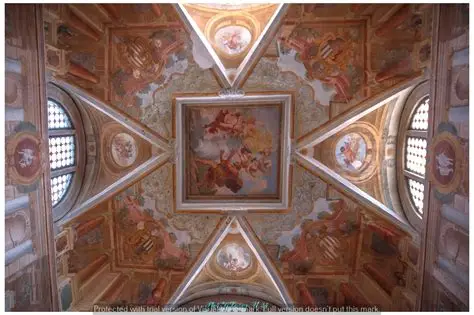
- The Context: At the end of the 16th century, patrician families competed to build "enchanting and harmonious" summer residences, graced by fanciful cycles of frescoes and surrounded by symmetrical gardens, vast meadows, and orchards.
Historical Curiosity: Why "Mandria"?
The villa is located in a place called Mandria. This ancient toponym, common in Veneto, derives from past land use: it indicated a fenced place for wild cattle. The Molin family transformed this rural space into a center of high culture and prestige.
The Strategic Heart of the Great War: Between Villa Molin and Villa Giusti
A crucial detail for history lovers is its active role during World War I. Although the signing of the Armistice on November 3, 1918, officially took place at the nearby Villa Giusti, Villa Molin was its "operational brain". During the conflict, Scamozzi's villa became the headquarters for high military commands. It was within these very rooms that the Armistice plans were studied and meticulously prepared. Imagining generals among Renaissance frescoes deciding Europe’s fate adds a solemn dimension to the visit, turning the villa into a monument to rediscovered peace.
From Decay to "Original Beauty"
Despite its prestige, the building experienced dark periods, passing through various owners (Capodilista, Conti, Barbarigo, Pisani) until it suffered a severe decline, even being used as a tannery.
- The Marquis Michele Dondi dell’Orologio saved it, restoring it to habitability.
- In 1955, the industrialist Igino Kofler purchased the villa and, through long and expensive restoration work, restored it to its original beauty, which we can admire today.
Villa Molin and your Well-being at Casa Luna
Why include Villa Molin in your itinerary? This residence embodies the ideal of classical harmony that is the basis of our Regeneration Protocol.
- Contemplation: The perfection of the square and the ionic order help the mind find stability and calm.
- Nature and Sport: The proximity to the canal and the Euganean Hills allows you to combine the visit with a regenerating walk or a bicycle excursion.
Upon your return to the 130 sqm of Casa Luna, you can process the historical richness of this visit in the silence of our residential neighborhood, perhaps consulting our Brochure for the next stage of your journey
FAQ (Domande Frequenti)
Was the 1918 Armistice signed at Villa Molin?
No, the Armistice was officially signed at the nearby Villa Giusti, but Villa Molin played a crucial role as the headquarters for high military commands where the plans for the agreement were studied and prepared.
Who designed Villa Molin?
The villa is a 1597 masterpiece by Vincenzo Scamozzi, who was the leading architect in the Veneto region following the death of Andrea Palladio.
What makes the villa's architecture unique?
Its floor plan is perfectly square, and the main facade features a majestic hexastyle ionic pronaos (portico) that stands atop a raised plinth.
Is it possible to visit the villa today?
Yes. After a period of decay, the villa was purchased in 1955 by industrialist Igino Kofler, who restored it to its original beauty through extensive work. Today, it hosts events and is open to the public for visits.




Do you want to delve deeper into the history and secrets hidden behind the beauty of our territory? Download our free 10-page guide to plan your signature excursions and unlock the exclusive benefits of the Casa Luna Club!
Read our Pillar article:The Charm of Euganean History: Venetian Villas and Villages
Back to: Culture and surroundings