

Monte Rua Hermitage
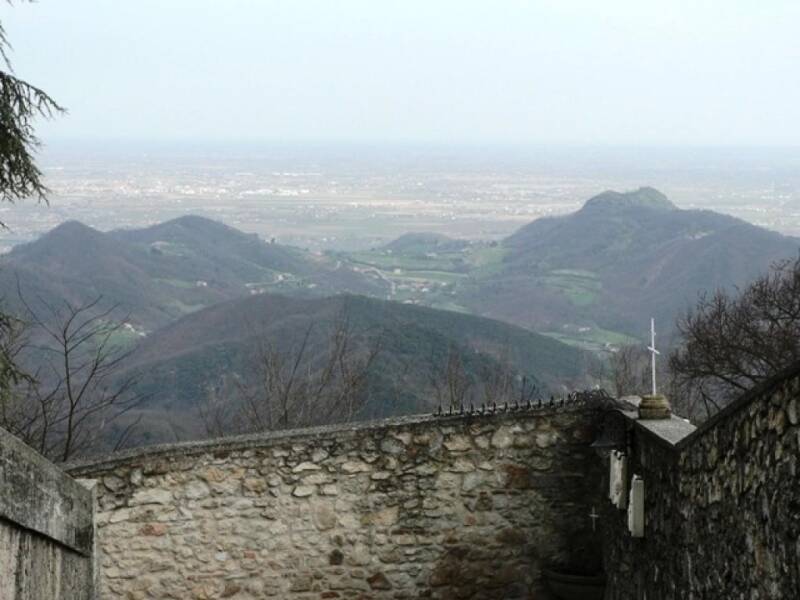
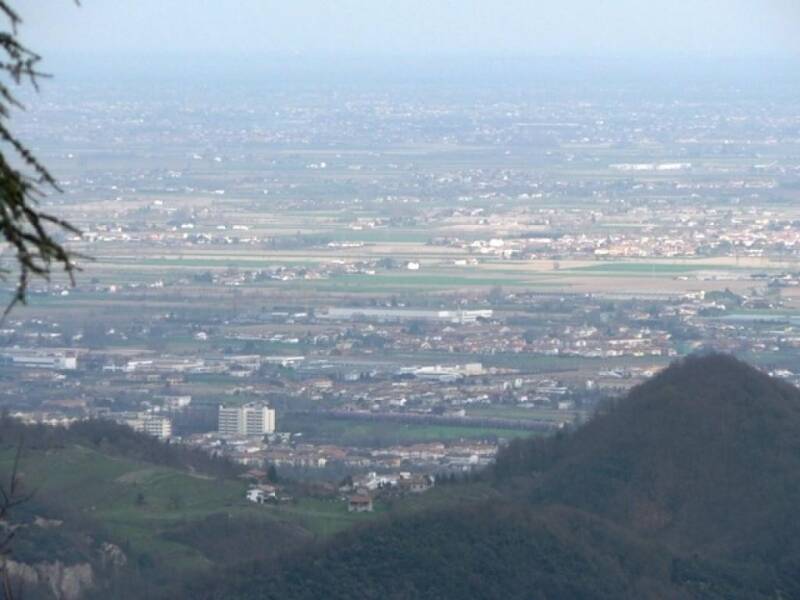
Located on the summit of Monte Rua (416 m) in the municipality of Torreglia, the Camaldolese Hermitage of Santa Maria Annunziata is one of the most evocative places in the Euganean Hills. Immersed in woods of beech, birch, and downy oak, this monastic complex offers a unique combination of nature, silence, and spirituality.
Origins and history of the Hermitage
The Hermitage was founded in 1339 by two hermits from the community of San Mattia di Murano, who obtained permission from the Bishop of Padua to build a church dedicated to the Madonna. Initially made of wood, it was rebuilt in stone in the 16th century to ensure its durability and integrity. During the Napoleonic period, in 1810, the hermitage was suppressed and looted, but it was reopened in 1863 thanks to Father Emiliano. Since then, the Camaldolese monastic community has continued to live in enclosure, following the Benedictine rule of ora et labora.
Architecture and structure of the complex
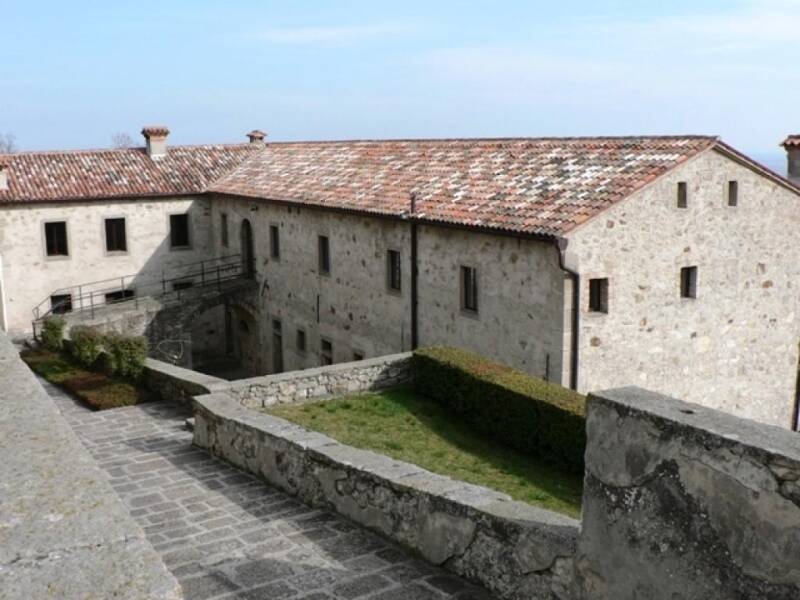
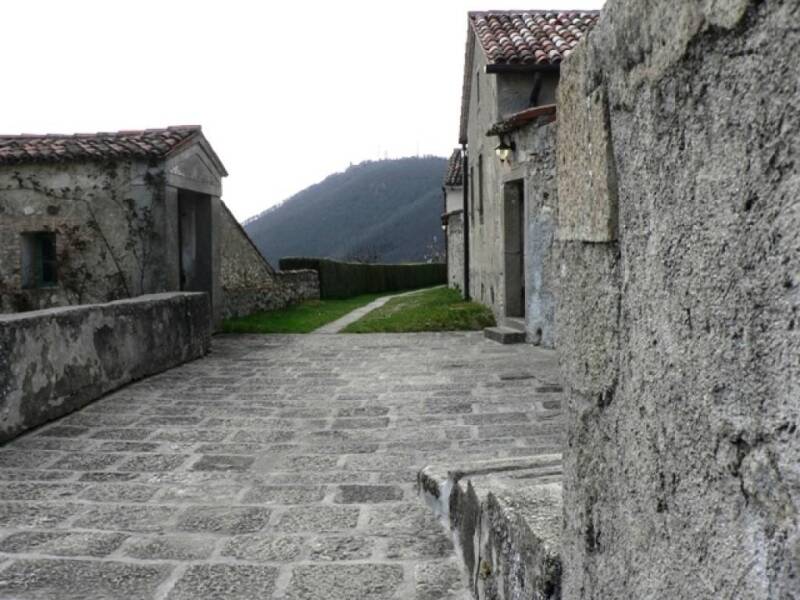
The Hermitage is surrounded by mighty boundary walls built in the 16th century. Inside are:
-
14 independent cells: each is equipped with a room for rest, a study, a chapel with an altar, a bathroom, a woodshed, and a small fenced vegetable garden.
-
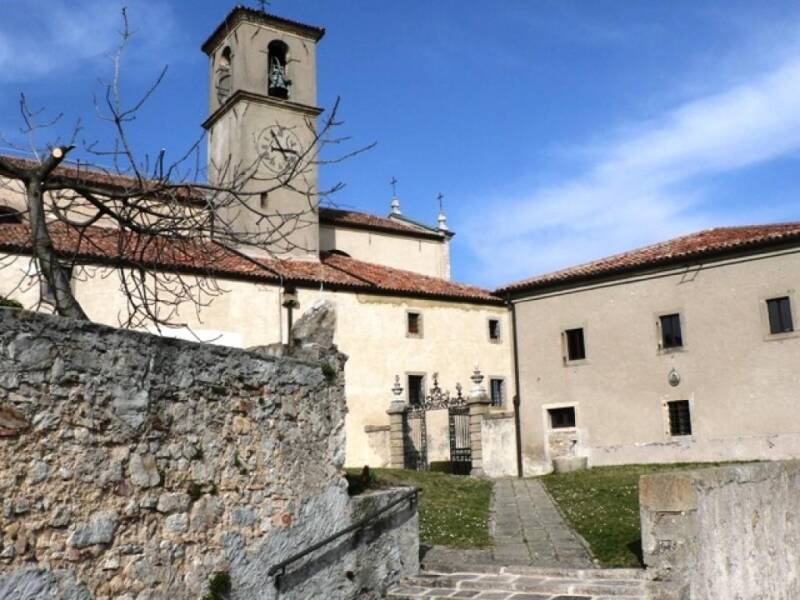
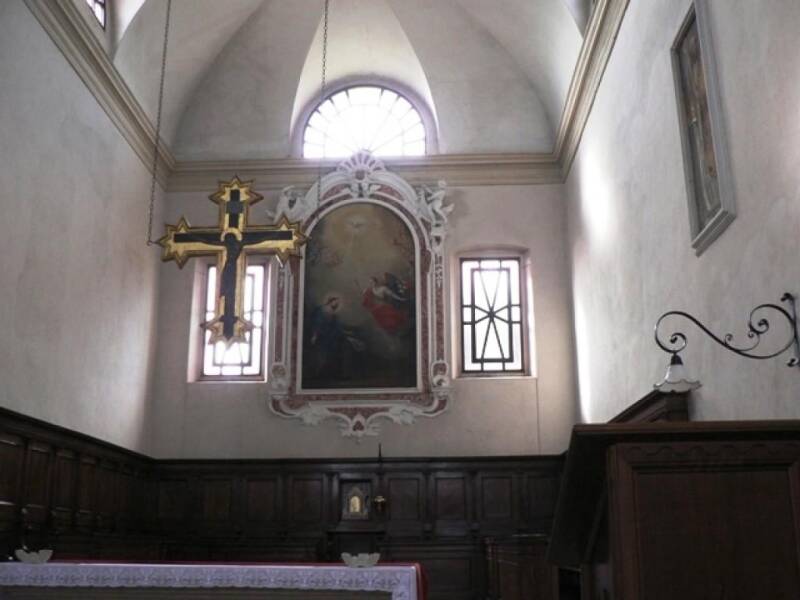
The church: a simple single-nave building with a wooden choir, built in 1542.
-
The guesthouse and Contarini gate: separated from the hermitage by an iron gate made by the Contarini family in 1550.
-
Burial of Bishop Nicolò Pac: In the hermitage chapel lies the tomb of Nicolò Pac, Bishop of Samogitia (Lithuania), who died in Padua in 1624. The Latin epitaph, engraved in the wall, celebrates his role as a benefactor and his choice to rest in this place.
Spirituality and enclosure
The Hermitage is a symbol of intense spirituality for the entire Veneto area. The monks live in silence and prayer, welcoming visits only at certain times of the year. This place represents an oasis of peace for those seeking reflection and contact with nature.
How to visit the Hermitage Access:
From Torreglia (18 km from Padua) continuing along the Castelnuovo road, then at Torreglia Alta (cemetery hairpin bend) turn left onto a steep asphalt road (5 km). Parking: at the 'Rifugio del Rua' restaurant or before the gate of the access road, then you must continue on foot. 1/2 hour or 15 min on foot. Google Maps - Route calculation View Map
Practical advice:
Visits to the hermitage are limited to specific periods of the year; it is advisable to inquire in advance. Unfortunately, there is no official website dedicated exclusively to the Monte Rua Hermitage. However, information can be found through these sources:
-
Municipality of Torreglia: The municipality of Torreglia, where the hermitage is located, may provide details on openings, events, or contacts. Website: www.comune.torreglia.pd.it
-
Camaldolese Order: The hermitage is part of the Camaldolese Congregation, which manages the order's official website. Website: www.camaldoli.it
-
Euganean Hills Regional Park: The park includes the hermitage among its historical and natural sites. Website: www.parcocollieuganei.com
Conclusion
The Monte Rua Hermitage is much more than a historical site: it is a symbol of spirituality and connection with nature. For those staying at Casa Luna, this hermitage represents an unmissable destination to immerse yourself in the quiet of the Euganean Hills and discover a corner of Veneto rich in tradition and beauty.
❓ FAQ (Frequently Asked Questions)
-
Can women enter the Monte Rua Hermitage? Traditionally, access to the enclosure is limited to men, but women can visit the church and common areas during celebrations or specific openings.
-
How do you reach the hermitage on foot? From the parking lot of the "Rifugio del Rua" restaurant, continue along an asphalt road through the woods for about 15-30 minutes.
-
Who are the monks living in the hermitage? The hermitage houses a community of Camaldolese monks who follow the Rule of St. Benedict.
"Do you want to delve into the history and secrets hidden behind the beauty of our territory? Download our free 10-page guide to plan your bespoke excursions and unlock the exclusive benefits of the Club Casa Luna."
Read our Pillar article: "The Charm of Euganean History: Venetian Villas and Villages"
Back to: "Culture and surroundings"
Aggiungi commento
Commenti