

The Aponusian Nymphs
Welcome to Montegrotto Terme, a place where history, nature, and myth intertwine in a unique harmony. Since ancient times, this territory has been celebrated for its curative thermal waters, a precious gift from the earth. But who watched over these miraculous waters? Who guarded their secrets and protected their virtue? The Aponusian Nymphs, female deities linked to the cult of waters and their ability to bestow health and well-being.
An Ancient Myth, Rooted in the Earth
The Aponusian Nymphs were mythological figures venerated by the ancient populations that inhabited this area, particularly by the ancient Veneti and later by the Romans. The name "Aponus" itself, which derives from an Indo-European root meaning "water," was the name of the god of thermal springs, later identified with Apollo, god of medicine and healing. The Nymphs were his messengers, the guardians of the waters, the intermediaries between the divine and the human world.
Ethereal Beauty, Curative Powers
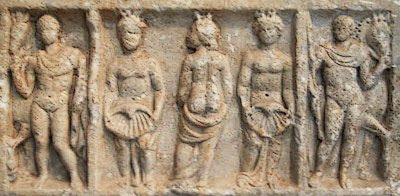
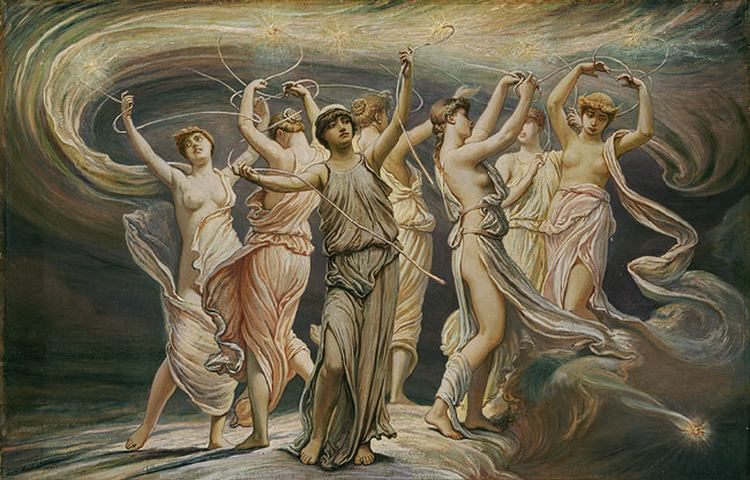
The Aponusian Nymphs were imagined as maidens of extraordinary beauty, often depicted with garlands of flowers and light robes, dancing among the springs and thermal vapors. It was believed that they had the power to influence the healing properties of the waters, making them even more effective. The Romans, great lovers of thermal baths, built sumptuous thermal complexes dedicated to these deities, where the sick went to seek relief and healing.
Traces of the Myth in the Present
Even if the cult of the Aponusian Nymphs has not survived to the present day, their presence is still palpable in the territory of Montegrotto Terme:
-
Toponyms: The name "Aponus" has remained in the name of the territory (Terme Euganee) and in some local toponyms.
-
Archaeological remains: The numerous archaeological finds from the Roman era, such as mosaics, statues, and votive objects, testify to the deep devotion to these deities.
-
Folk traditions: Even if in an attenuated form, some popular beliefs linked to thermal waters could be a distant echo of the cult of the Nymphs.
A Journey through History and Beauty
Imagine yourself, dear guests of Casa Luna, immersing yourselves in the warm thermal waters, feeling the caress of these ancient deities on your skin. Let yourselves be transported by the magic of the place, knowing that you are reliving a millenary ritual, an indissoluble bond between man and nature. I hope you enjoyed this article and that it made you discover a fascinating aspect of the history of Montegrotto Terme. Leave us a comment!
❓ FAQ
Who exactly were the Aponusian Nymphs? They were minor female deities of ancient mythology, venerated as guardians and protectors of the thermal springs of Montegrotto. They were considered the messengers of Aponus, the god of curative waters, and had the task of preserving the therapeutic virtues of the mud and hot water.
What is the origin of the name "Aponus"? The name derives from an Indo-European root meaning "water". In ancient times, it identified both the deity and the entire Euganean thermal basin. Later, with the arrival of the Romans, the cult of Aponus was often associated with that of Apollo, the god of healing.
Can I visit places linked to this myth during my stay at Casa Luna? Certainly. In Montegrotto Terme, there are Roman archaeological areas (such as the one in via Scavi) where you can admire the remains of the ancient thermal complexes where the cult of the Nymphs was once practiced.


"Do you want to delve into the history and secrets hidden behind the beauty of our territory? Download our free 10-page guide to plan your bespoke excursions and unlock the exclusive benefits of the Club Casa Luna."
Read our Pillar article: Mysteries and Legends: the millenary stories of the territory
Back to: "Culture and surroundings"
Aggiungi commento
Commenti