

Journey to Aponus: How the Romans Lived, Traveled, and Healed at the Baths.
🏛️ When you immerse yourself in the regenerating warmth of the thermal pools of Montegrotto Terme, perhaps after a day spent around Casa Luna, you are performing an ancient gesture over two thousand years old. Long before our area became the modern relaxation destination we know today, the ancient Romans chose this territory as a true sanctuary of health and rest, calling it Aponus (after the god of thermal waters), the beating heart of the famous Aquae Patavinae.
⚙️ The Roman hydraulic engineering techniques used to channel boiling waters.
Channeling, managing, and distributing the boiling hyperthermal bromo-iodic waters in the Aquae Patavinae basin (Abano and Montegrotto Terme) required Roman engineers to develop a radical evolution compared to classic fresh-water aqueducts. The local springs gushed spontaneously at temperatures close to 80-85 °C: an extraordinary resource that, however, corroded common materials, generated rapid limescale incrustations, and risked scalding bathers if not wisely tamed.
The Materials: The Revolution of Trachyte and Opus Signinum
Traditional masonry channels or lead pipes (fistulae) showed severe limitations with hyperthermal and mineralized waters. Engineers at Aquae Patavinae solved the problem by integrating local resources:
• Trachyte Channels: The main pipelines excavated in the settlements of Montegrotto were made of blocks of trachyte from the Euganean Hills, a volcanic rock extremely resistant to thermal shocks, the corrosive action of sulfur, and wear over time. The blocks were hollowed out internally to create the flow channel (specus).
• Opus Signinum (Cocciopesto): The joints of the channels and the interior of the pools were waterproofed with cocciopesto, a special hydraulic mortar composed of lime, sand, and finely crushed fragments of terracotta. This mixture not only resisted hot water without cracking but hermetically sealed the structures, preventing thermal dispersion into the subsoil.
Flow and Temperature Control: Communicating Vessels
Unlike the baths of Rome, where water was artificially heated with large wood-fired boilers (fornacai), in Abano and Montegrotto the challenge was the opposite: to cool and mix the water to make it tolerable (around 38-40 °C for the calidarium).
- The Drop and Gravity System: Exploiting the natural slope of the terrain and the spontaneous pressure of the volcanic springs, water was channeled toward the thermal complexes without the need for pumps.
- Decantation and Cooling Chambers: Before flowing into the pools (natationes), the boiling water paused in special open basins to lose heat through contact with the air and deposit excess mud, a principle similar to the piscinae limariae used in urban aqueducts.
- Dampers and Regulation Valves: As highlighted by the excavations of the Imperial Baths, the final flow into the pools was modulated by movable partitions and metal valves (often made of bronze or heavy lead). This made it possible to mix the water coming from the boiling springs with colder water in real-time, regulating the temperature according to the room (calidarium, tepidarium, or frigidarium).
Hypogeal Heating: Therapeutic Hypocaustum
In addition to filling the pools, the thermal water and its intense vapors were used to heat the environments themselves from beneath the floor.
- Substructures (Suspensurae): The floors of the hot rooms were suspended on small pillars of square or round bricks (called suspensurae), about 50-80 cm high.
- Vapor Channelling: The boiling vapors and sulfur gases released by the springs were channelled into the empty space beneath the floor (hypocaustum). The heat warmed the large marble floor slabs by radiation, which were walked on by the bathers.
- Wall Tubuli: To prevent moisture stagnation and heat the environment uniformly, the fumes then rose along the walls inside perforated bricks called tubuli, creating a true perimeter warm-air chamber before being expelled outside.
The Continuous Drainage and Recycling System
The Aquae Patavinae boasted a continuous water flow. To maintain hygiene inside pools frequented by hundreds of people every day, the drainage system had to be impeccable.
- Surface Overflows: The pools were equipped with surface overflow channels that constantly collected "dirty" or cooled water, guaranteeing a perennial water exchange.
- Large Collectors: Once out of the baths, the water was not wasted. Warm and rich in minerals, it was channelled into large underground conduits to drain the complex's public latrines, clean the citadel's sewage pipes, and finally flow into the hydrographic network and the canals of the Po Valley.
💰 The thermal system: tickets, costs, and management
Visiting the baths in ancient Roma was a daily habit but also a curative luxury:
-
Access Cost: In most cases, entrance to public baths cost very little, a tiny fraction of current currency called a quadrans (the lowest value coin in Rome), making the service accessible to everyone. On special occasions or holidays, local magistrates or wealthy patrons paid the entire ticket for the population as a political move.
-
Who Could Enter: Access was permitted to all free citizens, from patricians to plebeians, and even slaves (often acting as companions or service workers, such as the capsarius who guarded clothes). Wealthy landowners stayed at Aquae Patavinae (owners of luxurious villas in the surroundings) as well as less affluent sick people seeking healing (hence the toponym Mons Aegrottorum, mountain of the sick, which gave rise to Montegrotto).
-
Management: A mixed system existed: major springs were managed by the municipal authorities of Patavium (Padova), while many complexes and thermal villas were private property of patrician families or the emperor himself, exploited as treatment centers or commercial investments. In Montegrotto, direct economic interest by the imperial family itself is documented, managing large plots of land and the relative springs.
👥 Rules, social classes, and shifts: who could enter?
Roman baths were places of great social gathering, but access management followed precise rules:
-
Shifts and Separation of Sexes: Initially, men and women frequented the baths at different times (women in the morning, men in the afternoon, when the water and environments reached the ideal temperature thanks to heating). Subsequently, in the imperial era, mixed baths spread, often regulated or prohibited by imperial edicts (such as those of Hadrian or Marcus Aurelius) for reasons of morality, leading to the creation of separate wings within the same establishment.
-
Families and Children: Even the youngest frequented the baths accompanied by family members, introduced to a health path from childhood.
🥗 What kind of diet did they have before and after treatments?
Diet was an integral part of the prescribed therapy:
-
Before Treatments (on an empty stomach or with light foods): Baths and especially mud treatments were approached on an empty stomach or after consuming very light foods (such as barley flatbreads, fruit, or honey) to avoid congestion during heavy sweating.
-
After Treatments (refreshment and conviviality): At the end of the hydrotherapeutic path and oil massages, the body required calories. In taverns (popinae) and shops adjacent to the thermal complexes, bathers consumed pork, game, boiled vegetables, legumes, spelt flatbreads, and wine mixed with water and honey (mulsum). Excavations near Mount Montirone revealed an ancient deposit of drinking vessels, bearing witness to the intense activity of refreshment and beverage consumption on site.
🗓️ A typical day in ancient Aponus
How did the routine of a Roman thermal guest unfold?
-
Morning: Awakening, consumption of a light meal, and initial visits to the hot pools or therapeutic mud areas, guided by the doctor's advice.
-
Midday and Early Afternoon (the eighth hour): Break for a light meal, moments of rest in the shade of the porticoes or conversations in common areas, followed by massages with scented oils and frictions with the strigil.
-
Late Afternoon: After the bath, guests were massaged and cleansed with the strigil. Afterwards, they dedicated themselves to socialization: attending a show in the Montegrotto theater, discussing politics or business under the porticoes, and finally dining in the local inns.
🤝 Were there socialization zones for travelers coming from different places?
Absolutely yes. Since Aponus attracted people from all over the Empire (from Rome, Cisalpine Gaul, and the eastern provinces), the baths and colonnaded porticoes were meeting places par excellence. There were wide exedras, porticoed gardens, and rest rooms where patricians, intellectuals, and merchants could socialize, exchange political news, discuss philosophy, or forge commercial agreements in an atmosphere of total otium. Roman baths were the modern "shopping and cultural centers". In particular, the main aggregation areas were:
- Porticoes and Palestras: Perfect places to walk, close commercial agreements, and converse about philosophy.
- Tabernae and Shops: Spaces used for catering and the trade of ointments, perfumes, and food positioned inside or outside the thermal walls.
- The Theater Area: In Montegrotto, the presence of an integrated theater structure demonstrates that cultural entertainment (comedies, poetry readings, music) was an integral part of the social experience of the healing stay.
🏛️ Places of worship: temples dedicated to God Aponus
The springs were not only a physical treatment center, but a profoundly sacred place. The hot water rising from the earth was seen as a manifest divine gift. Around the thermal pools arose temples, altars, and votive shrines dedicated to the God Aponus (healing deity of the waters), where the faithful and the healed deposited terracotta ex-votos, statues, and thousands of coins to thank the divinity for the healing obtained, as evidenced by the numerous archaeological artifacts resurfaced in the Euganean territory.
- God Aponus and Mount Montirone: The religious fulcrum of Abano was Mount Montirone, where an important sanctuary dedicated to God Aponus (a local thermal divinity later assimilated to Apollo) stood. Here was a sacred spring where pilgrims threw ex-votos.
- Sacred Lakes and Ex-Votos: Near the current area of Hotel Terme Preistoriche in Montegrotto, an ancient sacred lake fed by steaming springs existed since the Iron Age. The Romans inherited this sanctity from the Ancient Venetians, continuing to deposit small ceramic vases, bronze statuettes, and votive inscriptions as thanks for healings obtained. The late-Roman poet Claudian describes with wonder this blue, boiling body of water, destination of deep popular devotion.
📜 Historical Sources: What did Latin writers recount?
The extraordinary fame of Aponus reached us thanks to the direct testimonies of great Latin authors:
Pliny the Elder, in his Naturalis Historia, describes with wonder the miraculous properties of the waters and vapors of this land.
Senator Cassiodorus (6th century AD), describing the Aquae Patavinae in his Variae, spoke of a marvelous spectacle in which water boiled spontaneously from the earth with healing strength and warmth.
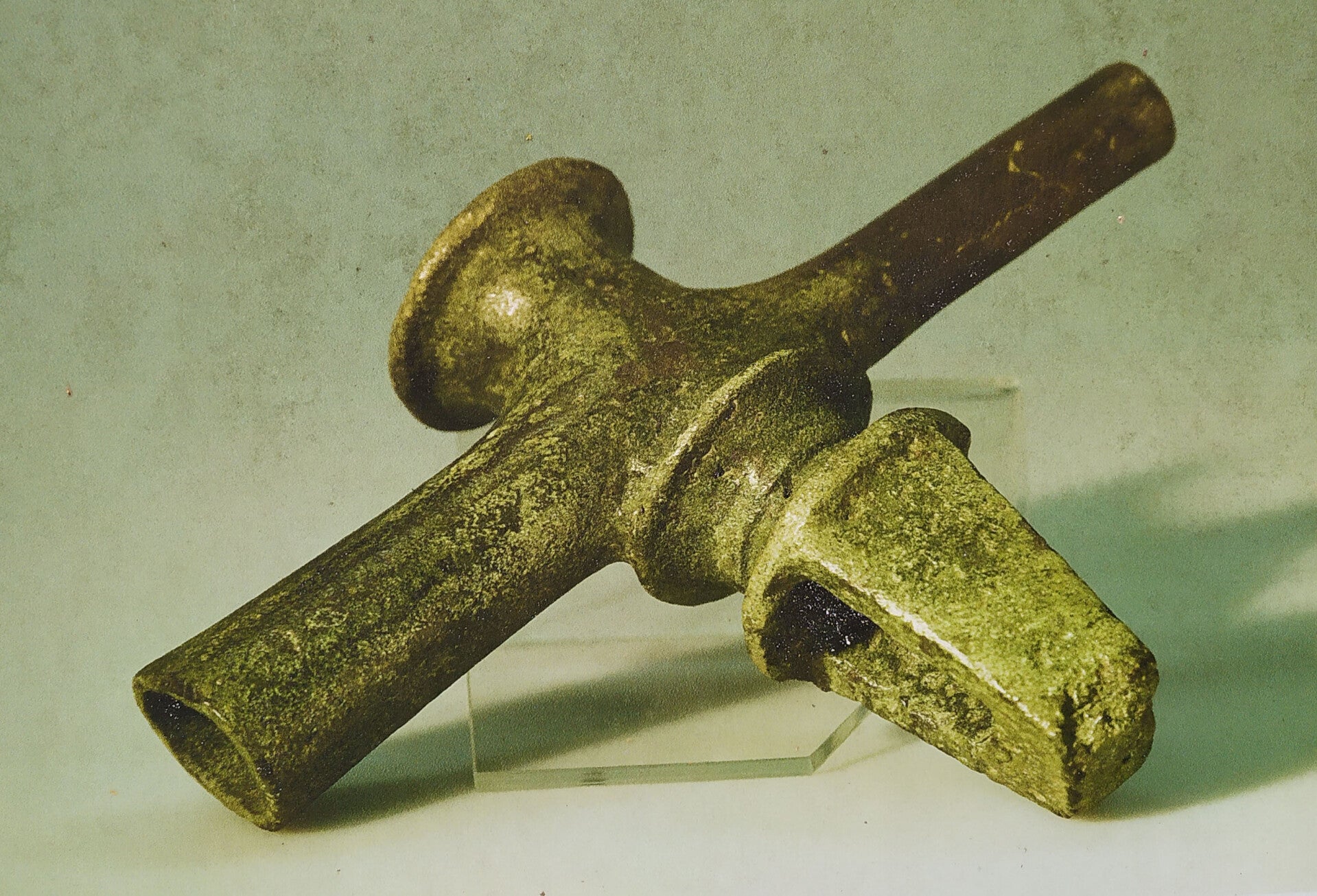
Bronze Roman aqueduct key and pipe fragment archaeological finds.
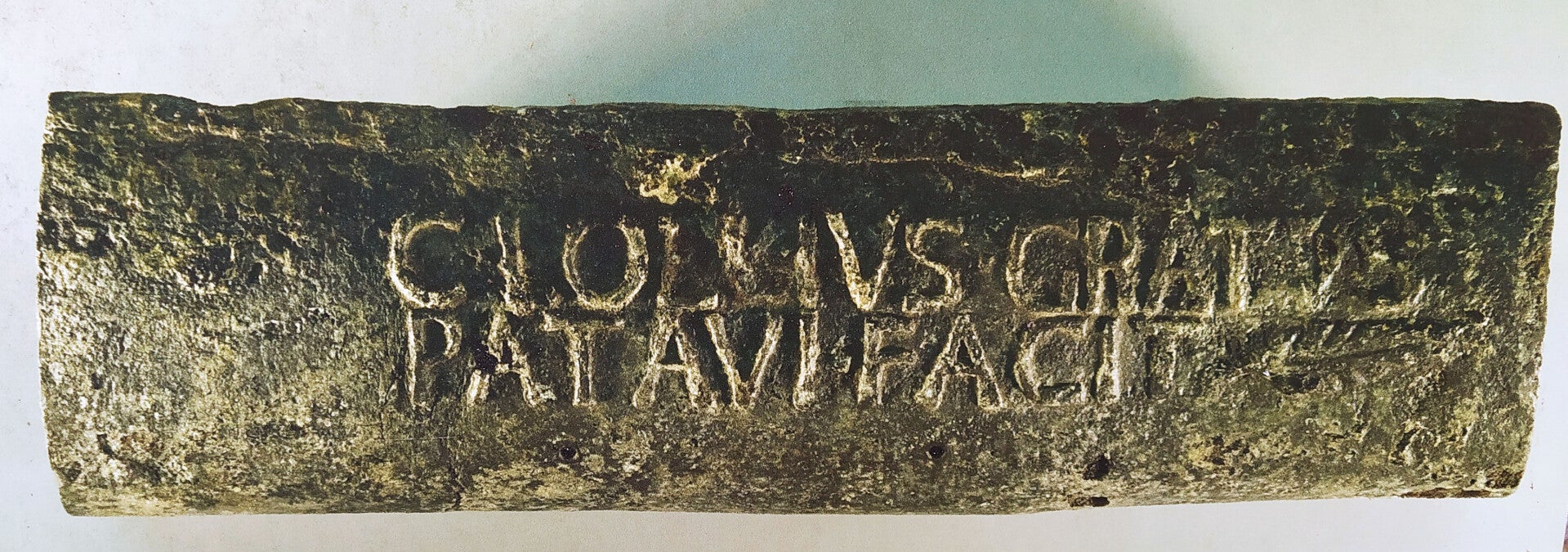
Ancient Roman inscription discovered during archaeological excavations.

Archaeological finds including ancient amphorae used in the Roman thermal baths of Montegrotto Terme.
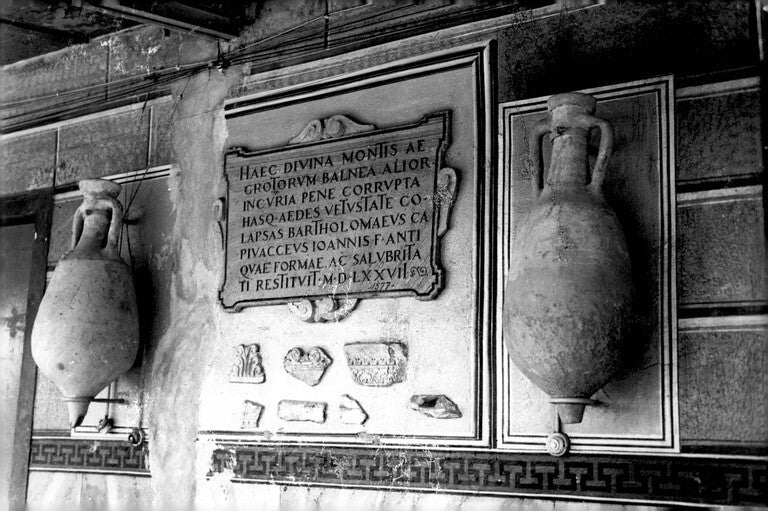
Ancient Roman inscriptions preserved at Hotel Neroniane in Montegrotto Terme.
(Continues in Part 2 with the secrets of the mud baths, massages, clothing, social life, and advice from Roman doctors!)
FAQ: History, Engineering, and Daily Life in Aponus
-
Q: How did the Romans travel to the baths of Aponus and how long did their stay last?
Travelers reached Aponus by utilizing the imperial road network or the convenient waterways connected to Patavium (Padova). Spa stays typically lasted from 15 to 30 days to ensure a complete and thorough cure, combining health with the pleasure of otium. -
Q: How did the Romans manage the scalding hot water of the springs?
Unlike Rome, the water here gushed out near 80–85 °C. Roman engineers used blocks of Euganean trachite and waterproof cocciopesto for the channels, employing open-air settling basins and metal valves to mix the boiling water with cold water to regulate its temperature. -
Q: What was the diet of the Romans before and after the spa treatments?
Before treatments, very light foods (barley flatbreads, fruit, or honey) were preferred to avoid indigestion. After the treatments, the body required refreshment in nearby taverns (popinae), consuming pork, game, boiled vegetables, legumes, spelt flatbreads, and wine diluted with water and honey (mulsum). -
Q: Were there socialization areas for visitors coming from all over the Empire?
Absolutely. Porticoes, gymnasiums, gardens, large exedrae, and even the theater area of Montegrotto were meeting places where patricians, intellectuals, and merchants could socialize, discuss politics, or forge business agreements. -
Q: What facilities existed and who could access them?
There were large public facilities managed by the municipality of Padova and lavish private or imperial patrician villas. Access was open to all free citizens (from patricians to plebeians) and even slaves serving as companions or service staff. -
Q: Were there places of worship dedicated to the God Aponus?
Certainly, the religious focal point was the sanctuary on Mount Montirone and the sacred lakes fed by steaming springs, dedicated to the God Aponus (a healing deity later assimilated to Apollo), where the faithful left terracotta ex-votos, bronze figurines, and coins.
"Do you want to delve into the science behind your rebirth? Download our 10-page guide and unlock the exclusive benefits of the Club Casa Luna."
Read the Pillar article: "Beyond Relaxation: Holistic Rituals and Philosophy of Well-being"
Back to the category: "Well-being and Spas"
Aggiungi commento
Commenti