

PART 2: Mud, Inhalations, Social Life, and Medical Prescriptions: The Secrets of Wellness in Ancient Aponus
Welcome back to our journey discovering Aponus. If in the first part we explored travel, accommodation, hydraulic engineering, and some social rules of the Roman thermal baths in the Euganean Hills, today we dive into the heart of wellness treatments, healing rituals, medical science, and activities within the Baths that made the Aquae Patavinae unique.
👙 Clothing and Heat Protection: Between Nudity and Thermal Footwear
Inside the hot rooms and pools of the baths, the general rule was nudity, considered by the Romans entirely natural, healthy, and devoid of malice.
• The Sensual Atmosphere: Men and women, unclothed or covered only by essential loincloths (called subligaculum), shared the same spaces and warm thermal pools. This forced physical proximity, heightened by steam, perfumes, and therapeutic massage oils, created an environment of exceptionally high sensuality.
•Attempts at Regulation: This freedom of customs often led to excesses and scandals, prompting various emperors to curb them to protect the mos maiorum (the ethical core of Roman tradition). Emperor Hadrian issued a specific edict banning mixed bathing, imposing the segregation of sexes by hours or through strictly separated architectural wings. However, the enforcement of these laws in holiday and healing resort stations far from Rome's direct control was often quite lenient.
To protect their feet from the blazing floor — overheated by underground hypocaust heating systems — visitors wore special wooden footwear, felt soles, and thick slippers. For outdoor movements or colonnaded porticos before and after baths, they wore lightweight tunics and wide protective cloaks (lacenae) to avoid dangerous thermal shocks.
🏺 Not Just Water: How Did Ancient Romans Manage and Spread Hot Mud?
At Aponus, people did not just immerse themselves in warm waters. The Euganean springs were famous throughout the Empire above all for the extraordinary quality of their thermal mud. But how was its application carried out concretely? The process followed rigorous phases:
- Natural "Maturation" in Collection Basins: The mud was not used immediately as it gushed from the boiling spring. In the Aquae Patavinae, there were decantation and maturation basins (ancestors of today's mud-maturation tanks in Euganean establishments) where clayey silt was left to rest in constant contact with mineral thermal water for prolonged periods. This process lowered excessive temperatures and enriched the mud with active ingredients.
- Temperature Control and the Help of Unctores: Before being applied to the patient's body (often a patrician or a soldier with rheumatic problems), the mud was left to cool or mixed to bring it to a tolerable yet therapeutic temperature (around 40-45°C). The unctores or assistants tested consistency and temperature before spreading it manually.
- Layer Application and Body Zones: Mud was spread generously by hand directly onto the area to be treated (shoulders, knees, back, or the whole body). The enveloping heat stimulated vasodilation and deep sweating.
- Transition into the Calidarium or Sweating Rooms (Sudationes): To prevent the mud from cooling down too quickly in the air, the patient was made to stay in warm and humid environments, prolonging the beneficial action of heat without suffering thermal shocks.
- Removal with the Strigil and Reaction Bath: Once the application time ended, the mud was removed. Residues were cleaned off using the famous strigil (the curved bronze or iron scraper) and perfumed oils, before moving to the immersion pool for the skin's toning reaction.
💨 The Ancient Power of Vapors: Inhalations in Abano and Montegrotto
Long before the invention of modern artificial aerosols, Roman engineers and doctors exploited the formidable spontaneous pressure of the fumes from Euganean waters.
-
Natural Sweating Caves: The Aquae Patavinae territory featured numerous ground fissures constantly emitting clouds of vapor rich in sulfur, bromine, and iodine. The Romans intercepted these natural emissions by enclosing them within masonry structures, creating the precursors of modern thermal caves.
-
Inhalations and Respiratory Care: Patients suffering from chronic respiratory problems, sinusitis, or bronchial inflammation were seated in these steam-saturated rooms. By deeply breathing the warm, humid air, they obtained an immediate disinfecting, fluidifying, and anti-inflammatory action on the mucous membranes, utilizing the same chemical principles that modern medical science still applies in the Euganean basin.
-
Vapor as the Oracle's Voice: Beyond the purely medical aspect, steam held strong mystical value. As literary tradition recalls (linked also to historians like Suetonius), Emperor Tiberio visited the oracle of Aponus to seek omens about his future by interrogating the sacred boiling vapors and waters of the spring.
💆♂️ Massages, Precious Oils, and Wellness Tools
- The Specialists (Unctores): Massages and body frictions were entrusted to specialized operators called unctores (often highly skilled slaves or freedmen).
- Imported Oils and Ointments: The skin was sprinkled with precious vegetable oils enriched with rose, lavender, or nardo essences imported from the East
The Strigil and Guttus: The strigil was used to remove oil and impurities, while clean oil was kept in bulbous flasks called guttus.
🍲 Where Did They Eat? Dining Areas and Thermal Markets
The Roman thermal complex was surrounded by a massive commercial hub. The post-treatment meal was an unavoidable rite that took place in specific areas:
-
Popinae and Cauponae: These were ancient Roman taverns and inns located just outside complex walls or along connecting roads (such as the Via Neroniana archaeological area). Here, people consumed quick meals, cooked and hot foods (such as legume stews or pork), and drank mulsum (honeyed wine).
-
Thermopolia: True ancient "fast foods" featuring large masonry counters embedded with terracotta vessels (dolia) containing ready-to-eat hot dishes. Bathers went there right after treatments to soothe the "appetite" generated by the heat of the pools.
-
Thermal Markets and Itinerant Vendors: Around the springs of Mount Montirone, temporary markets developed. Besides food, merchants sold bottles of ointments, perfumed oils (essential for post-bath massages), bronze strigils, and towels. There was also a thriving market of terracotta or bronze ex-votos, which the sick bought to thank the divinity after healing.
🩺 Thermal Medicine: What Did Roman Doctors Prescribe?
In ancient Rome, thermal medicine was a rigorous scientific discipline, codified by illustrious scientists such as Aulus Cornelius Celsus (author of De Medicina) and later Galen of Pergamon. At Aquae Patavinae, doctors prescribed personalized protocols based on the theory of the "four humors":
-
Contrast Hydrotherapy: Doctors did not advise remaining passive in hot water. They prescribed millimetric transitions from the calidarium to the frigidarium. Thermal shock served to "temper" blood vessels, reactivate circulation, and treat joint or bone pain.
-
Hydropinic Cure (Drinking Water): Healing the body from within was fundamental. Doctors prescribed drinking the salso-bromo-iodic water in small sips and at specific temperatures to cleanse the liver, stimulate the intestine, and cure kidney disorders.
-
Primitive Mud Therapy: Although the scientific maturation of mud came later, Roman doctors already prescribed applying natural clays gathered from warm Euganean ponds, spread directly on the inflamed joints of soldiers or elderly patricians to relieve rheumatism.
-
Insertion of Sweating Times: To purify tissues from toxins, strict durations of stay in the laconicum (dry sauna) or natural steam caves were prescribed.
🕯️ Thermal Prostitution and Secluded Spaces
The baths were one of the main places where Romans sought and consumed paid sex.
-
Figures of Pleasure: Around and inside the complexes of Montegrotto and Abano rotated slaves, freedmen, and freedwomen dedicated to prostitution. Often they were the very waitresses of the internal taverns (popinae) or masseurs and estheticians offering "extra services" to clients.
-
Dedicated Spaces: Architecturally, the large complexes offered ample possibilities for isolation. Besides common rooms, there were small heated environments or private rooms adjoining the dressing rooms (apodyteria) intended for massages, where intimate encounters could take place away from prying eyes. The price was extremely accessible, often comparable to a glass of low-quality wine.
🎭The Double Standard: Male Freedom vs. Female Honor
The conception of sex at the baths faithfully reflected the patriarchal and hierarchical structure of Roman society:
-
For Roman Men: Visiting the baths and having relations with slaves, prostitutes, or lower-ranking boys was considered entirely normal and socially accepted, provided the man maintained an active and dominant sexual role, expressing his virtus.
-
For Roman Matrons: High-ranking women assiduously frequented the Aquae Patavinae to care for their health and fertility. However, for them, the risk of compromising their reputation (pudor) by frequenting promiscuous environments was extremely high. For this reason, aristocratic women preferred using private baths inside their monumental Euganean residential villas (such as the remains found in the rich Roman Villa of Via Neroniana in Montegrotto), avoiding public baths.
🎨Eroticism in Art and Local Artifacts
The sensual aspect of Roman baths was constantly recalled by the decorative apparatus of the structures. Mosaic floors, frescoes, and sculptures adorning the rooms frequently portrayed mythological scenes with erotic backgrounds (Satyrs and Nymphs, the labors of Venus, or Cupid and Psyche), designed to stimulate relaxation, visual pleasure, and the abandonment of bathers' senses.
Even small objects of daily use found in the Padua area, such as terracotta oil lamps decorated with explicit erotic positions or engraved gems, confirm that the dimension of carnal pleasure was an accepted and integrated component of the "leisure and care" package offered by the thermal resort.
🌊 From Ancient Rome to the Comfort of Casa Luna
Experiencing the Montegrotto Thermal Baths today while staying at Casa Luna means embracing this millenary legacy, combining the discovery of a fascinating history with the relaxing and therapeutic benefits of modern thermal pools and establishments.
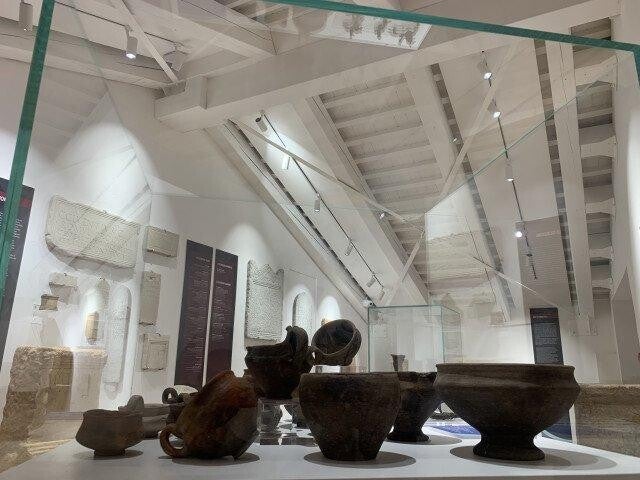
Ancient ceramic vessels from Lake San Pietro Montagnon archaeological finds.
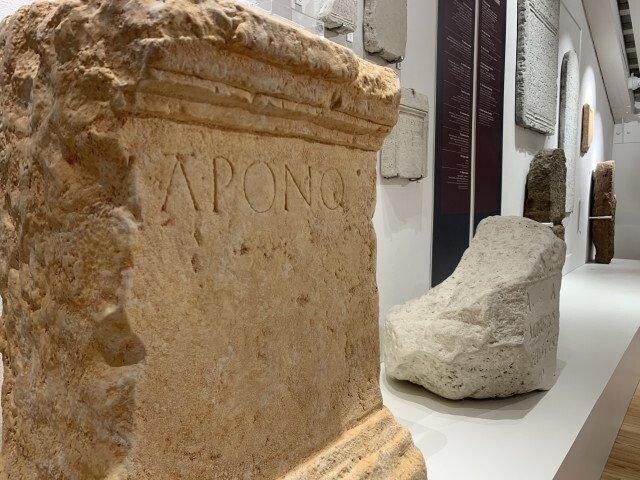
Stone artifact bearing the inscription "Aponus", a direct reference to the cult of the Euganean thermal waters.
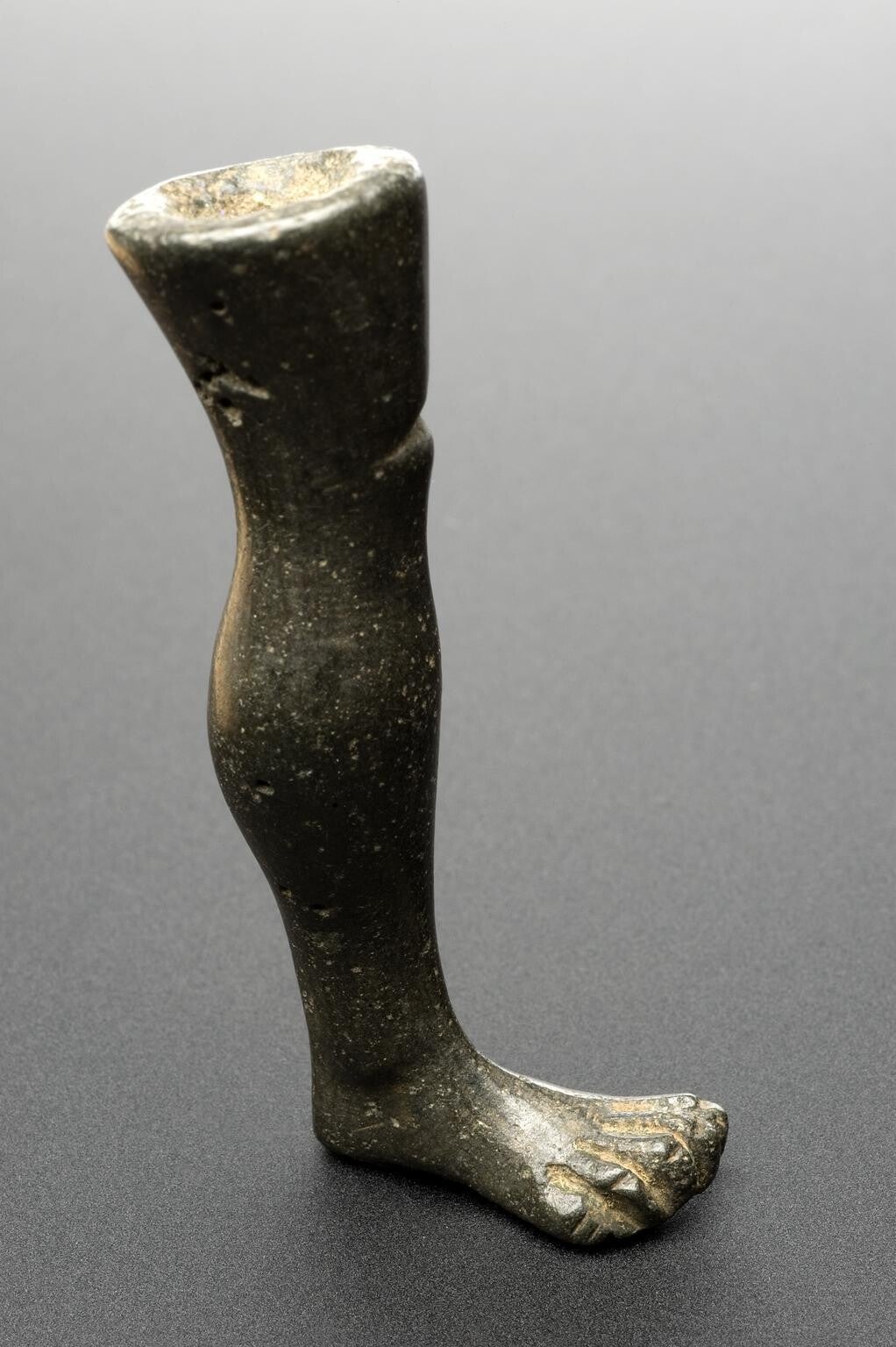
Bronze anatomical ex-voto from Montegrotto Terme: evidence of the ancient bond between Euganean springs, health, and the worship of deities.
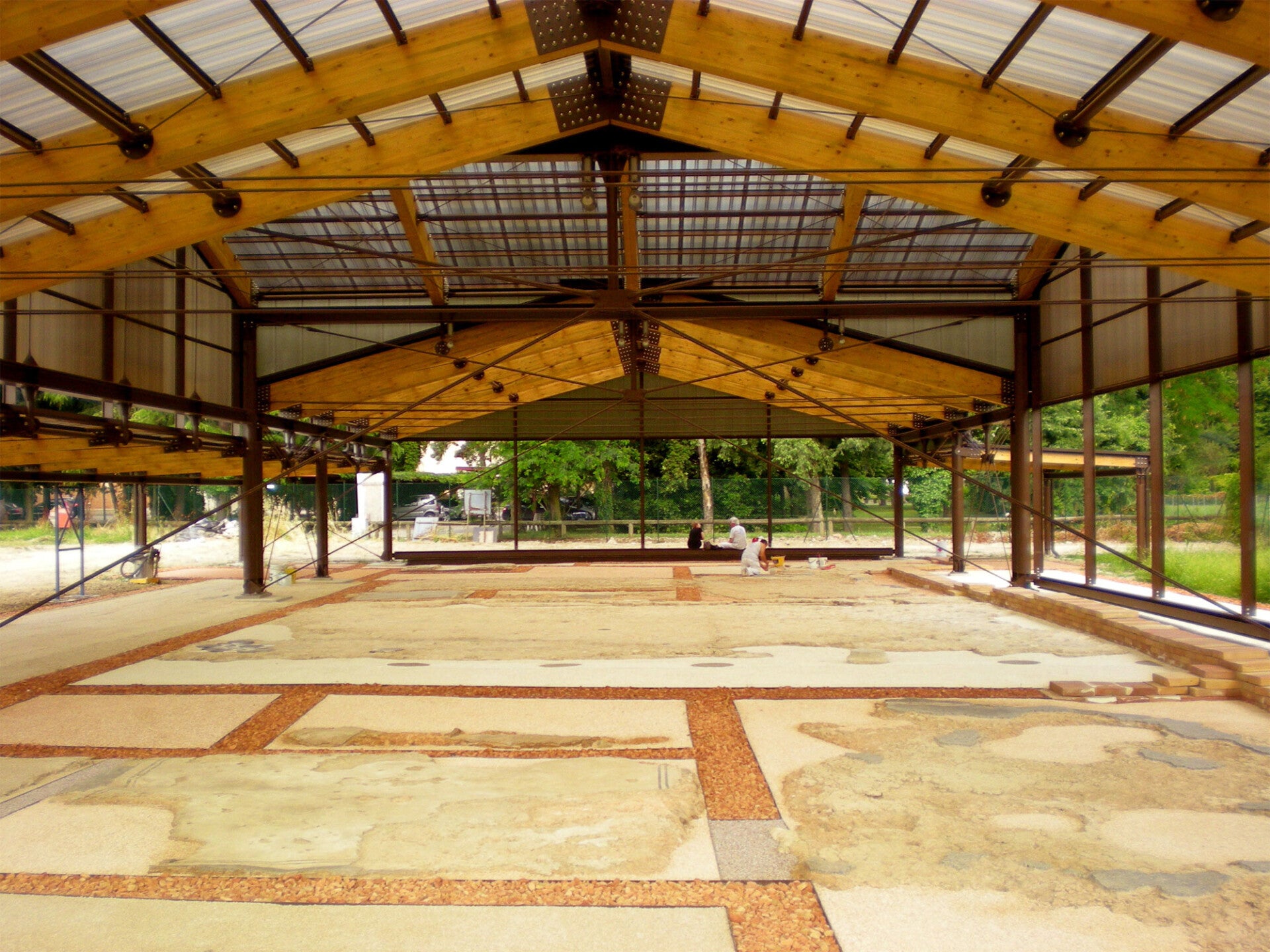
Traces of Roman refinement in the Euganean Thermal Baths: mosaics at Hotel Neroniane in Montegrotto Terme, bearing witness to the prestige of residential buildings of the era.
"Did you miss the beginning of our journey through time? Re-read Part 1 to discover engineering, history, and daily life in the ancient thermal complex of Aponus!"
FAQ — Part 2: Mud Therapy, Medical Science, Eroticism, and Wellness
- Q: How did the Romans experience mud therapy at Aponus?
A: Clayey silt was left to mature in dedicated basins in constant contact with mineral thermal water, then applied hot to aching joints, exploiting therapeutic properties praised even by Pliny the Elder.
-
Q: How were thermal steam inhalations performed in antiquity?
A: Romans used natural caves and special sweating rooms (sudationes) to breathe hot mineral vapors, considered by doctors like Galen to be exceptional remedies for clearing bronchi and treating respiratory tracts.
-
Q: What were the strigil and guttus used for in daily routine?
A: The strigil was the curved metal scraper used after baths and massages to clean skin from oil and sweat; the guttus was instead the bulbous flask used to pour perfumed oils and essences for body frictions.
-
Q: Did Roman doctors prescribe thermal treatments?
A: Yes, balneotherapy, mud, and vapors were considered true medical remedies prescribed by doctors of the era (like Celsus and Galen) to treat joint pain, gout, and respiratory issues, associated with strict management of rest times.
-
Q: How was the dimension of sensuality and eroticism experienced at the baths?
A: Shared nudity and massages with perfumed oils created a highly sensual atmosphere. While visiting slaves or prostitutes within complexes was socially accepted for Roman men, high-ranking matrons preferred the privacy of private baths in Euganean villas to protect their honor.
-
Q: How can I live this experience today starting from Casa Luna?
A: By staying at Casa Luna in Montegrotto Terme, a stone's throw from the station and historical sites, you can combine the discovery of this millenary Roman history with relaxing rejuvenation in modern thermal pools and local establishments.
"Do you want to delve into the science behind your rebirth? Download our 10-page guide and unlock the exclusive benefits of the Club Casa Luna."
Read the Pillar article: "Beyond Relaxation: Holistic Rituals and Philosophy of Well-being"
Back to the category: "Well-being and Spas"
Aggiungi commento
Commenti