

Balneotherapy and Neurobiology of Stress: The Clinical Impact of Thermal Waters on the Nervous System and Mind
The experience of a spa stay in Montegrotto is often described as an instinctive feeling of deep relaxation. However, what might seem at first glance to be a simple hedonic or recreational effect is actually the result of a complex sequence of neuroendocrine, vascular, and biochemical responses triggered by immersion in the hyperthermal salt-bromine-iodine waters of the Euganean basin.
In recent decades, thermal medicine (medical hydrology) and neurobiology have extensively documented the efficacy of balneotherapy and mud-balneotherapy in managing chronic stress, mild mood disorders, and burnout prevention.
Let us answer a fundamental question: what exactly happens to our brain and nervous system when we immerse ourselves in the thermal waters of Montegrotto?
1. Modulation of the HPA Axis and Cortisol Suppression
The chronic stress of modern life keeps the Hypothalamic-Pituitary-Adrenal (HPA) axis—the neuroendocrine structure responsible for producing cortisol (the primary stress hormone)—constantly hyperactive. Sustained high cortisol levels lead to muscle hypertension, sleep fragmentation, neuroinflammation, and cognitive fatigue (brain fog).
Clinical studies and biochemical monitoring on subjects undergoing hyperthermal balneotherapy cycles (36°C – 38°C) have demonstrated:
-
Suppression of salivary and serum cortisol levels: Sustained immersion triggers a block of the sympathetic response ("fight or flight") in favor of an activation of the parasympathetic nervous system, responsible for homeostatic recovery.
-
Reduction of catecholamines: A concurrent decrease in resting adrenaline and noradrenaline levels is recorded.
2. The Neurochemistry of Well-being: Endorphins, Serotonin, and BDNF
Hydrostatic heat and the mineral composition of salt-bromine-iodine water act on cutaneous thermoreceptors and deep sensory receptors, sending direct signals to the central nervous system:
-
Stimulation of $\beta$-Endorphins: Moderate hyperthermia prompts the pituitary gland to release endogenous opioid peptides ($\beta$-endorphins), which act both as potent natural analgesics and as inducers of a state of central sedation and serenity.
-
Synthesis of Serotonin and Melatonin: Peripheral vasodilation and deep muscle relaxation support the precursors of serotonin (the mood-stabilizing hormone), indirectly enhancing subsequent nighttime melatonin secretion and restoring correct circadian sleep rhythms.
-
Impact on Neurotrophism (BDNF): Recent research in balneology suggests that hydrotherapy and exercise in warm water may influence levels of Brain-Derived Neurotrophic Factor (BDNF), a key protein for neuronal plasticity and resilience to mental stress.
3. Muscle Decompression and the "Gate Control" Mechanism
Emotional tone and muscle tension are closely interconnected through neuromuscular feedback loops. Mental stress tends to manifest as somatization in the paravertebral, cervical, and lumbar musculature.
-
Buoyancy Effect (Hydrostatic Lift): In water, perceived body weight drops by approximately 90%, instantly relieving gravity-induced compression on joints and the spine.
-
Gate Control Theory: Thermal and mechanical stimuli (water pressure) travel along fast myelinated nerve fibers (A-$\beta$), blocking the transmission of pain or nociceptive signals carried by slow fibers at the posterior horn of the spinal cord. This block breaks the vicious cycle of "pain–muscle tension–anxiety".
4. The Neuroscientific Concept of "Blue Mind"
Neurobiologist Wallace J. Nichols coined the term Blue Mind to describe a neurological state characterized by calmness, brainwave synchronization, and spontaneous meditation induced by contact with the aquatic environment.
In a world dominated by information overload and constant visual stimulation, the thermal environment functions as true positive sensory deprivation: steam, constant water temperature, and the absence of digital devices allow the prefrontal cortex to rest, mitigating decision fatigue.
5. Regulation of Circadian Rhythms and Sleep Quality
Immersion in hyperthermal waters in the late afternoon triggers an important thermoregulatory mechanism: during the bath, core body temperature rises slightly, while in the subsequent phase a physiological heat release and cutaneous vasodilation occur. This rapid drop in core body temperature sends a direct neurobiological signal to the brain to stimulate melatonin secretion. The clinical result is a significant reduction in sleep onset latency and an increase in the duration of deep sleep phases (NREM), essential for neural recovery and tissue repair.
📚 Bibliographical References & Scientific Literature:
- Balneotherapy & Cortisol Reduction (HPA Axis):
Antonelli, M., & Donelli, D. "Effects of balneotherapy and spa therapy on levels of cortisol as a stress biomarker: a systematic review." International Journal of Biometeorology, 62(6), 913–924 (2018). -
Neurochemistry of Relaxation & Pain Management:
Fioravanti, A., et al. "Short- and long-term effects of spa therapy in knee osteoarthritis patients" (oppure lo studio A randomized controlled trial on the efficacy of spa therapy in knee osteoarthritis, International Journal of Biometeorology, 2015, 59(8), pp. 1133–1144).
Toda, M., Morimoto, K., Nagasawa, S., & Kitamura, K. "Change in salivary physiological stress markers by spa bathing" Biomedical Research (Tokyo, Giappone), Vol. 27, N. 1, pag. 11–14 (2006). -
The "Blue Mind" Concept:
Wallace J. Nichols, "Blue Mind: The Surprising Science That Shows How Being Near, In, On, or Under Water Can Make You Happier, Healthier, More Connected, and Better at What You Do." - Circadian Rhythms & Sleep Architecture:
Haghayegh, S., Khoshnevis, S., Smolensky, M. H., Diller, K. R., & Hausser, R. J. (2019). "Before-bed warm bath or shower for improving sleep: A systematic review and meta-analysis." Sleep Medicine Reviews, 47, 38–53. -
Euganean Medical Hydrology:
Fondazione Pietro d'Abano / Centro Studi Termali Pietro d'Abano. "Proprietà biologiche e terapeutiche delle acque salso-bromo-iodiche e dei fanghi di Montegrotto e Abano Terme."
🌿 Your Regenerative Stay at Casa Luna
To fully benefit from the stress-relieving action of the thermal baths, the clinical and hydrological aspect must be accompanied by an accommodation environment that guarantees tranquility, slow rhythms, and total autonomy.
Casa Luna is an independent holiday rental with 3 spacious bedrooms located just 100 meters from the train station and a few steps from the thermal establishments of Montegrotto: the private, quiet, and comfortable base that offers families and groups the maximum privacy and freedom of a real home to enjoy the thermal pools and regenerate body and mind.
📖 Plan your health break: Booking directly from our website www.casaluna-montegrotto.com allows you to take advantage of an exclusive 15% discount compared to OTA platforms (Booking and Airbnb).
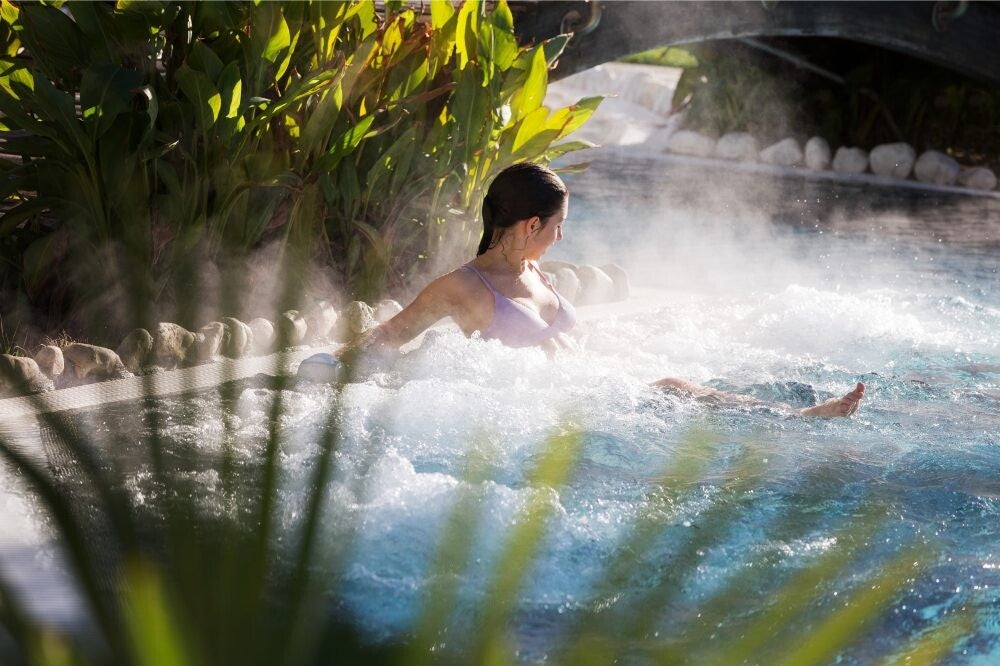
The warmth and magic of hyperthermal waters: an enveloping immersion that promotes deep relaxation and psychophysical regeneration.
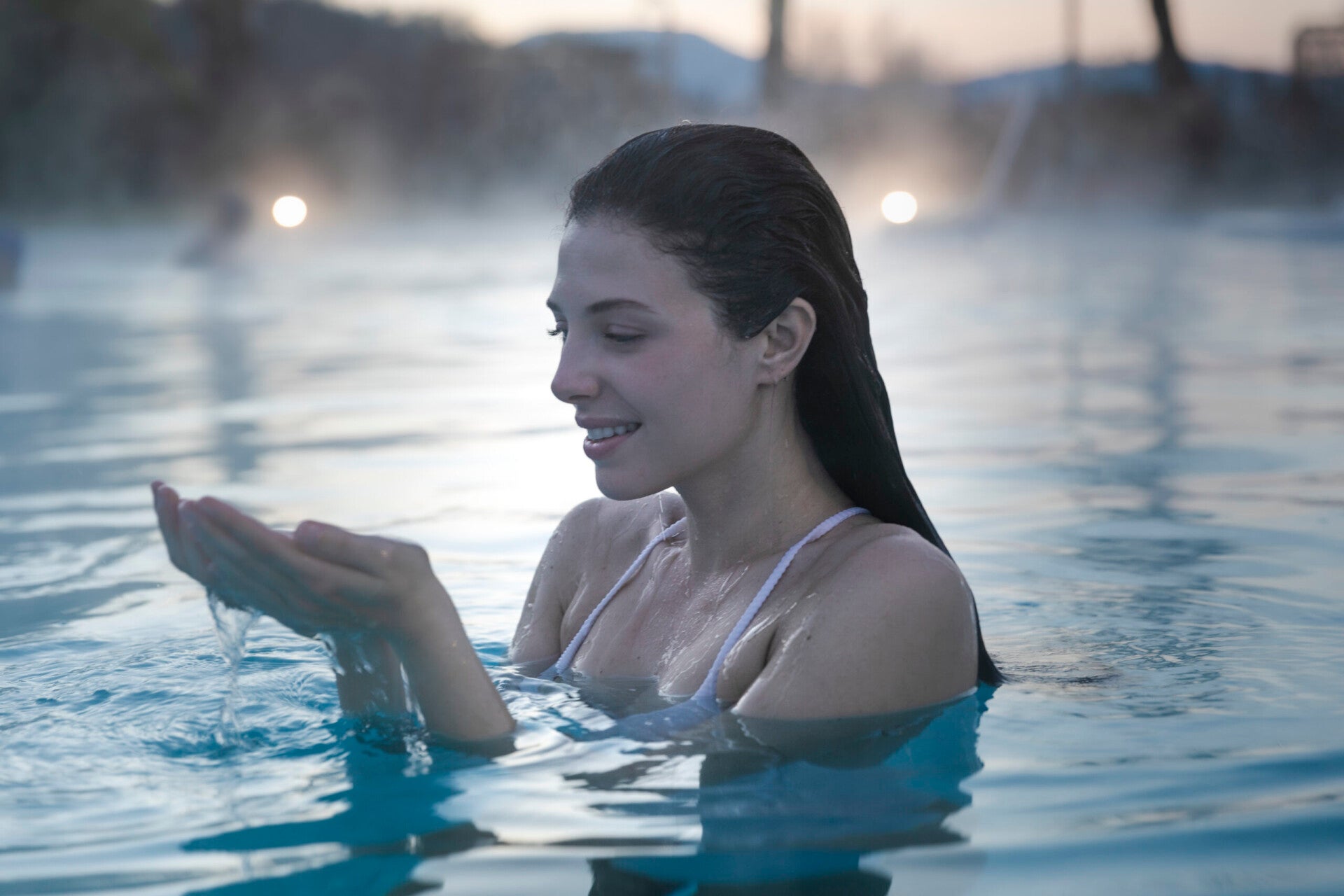
The science of relaxation: stress resetting through cortisol modulation and the natural release of endorphins.
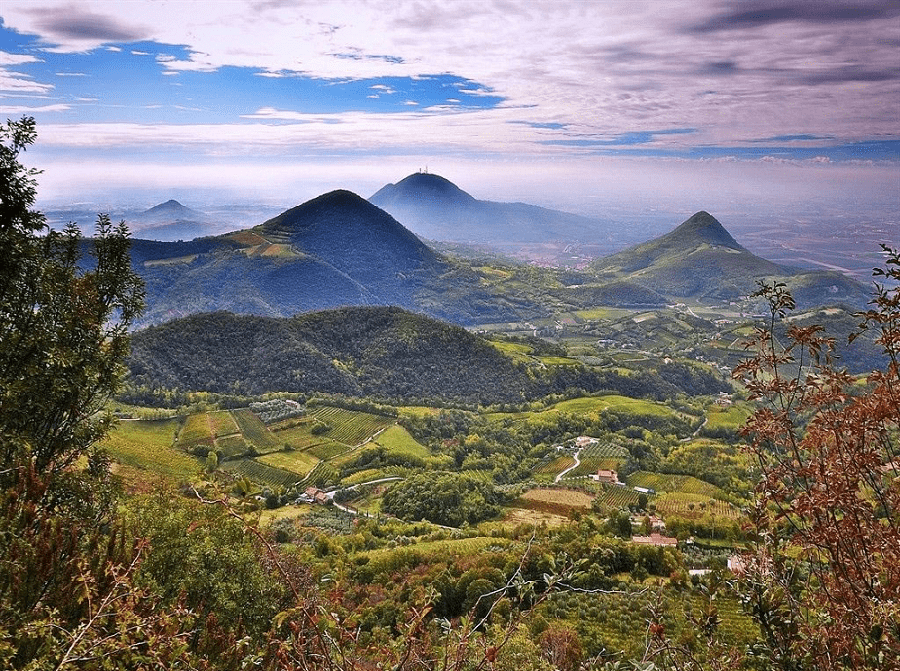
The Euganean Hills: nature and regenerating views surrounding the thermal basin of Montegrotto Terme.
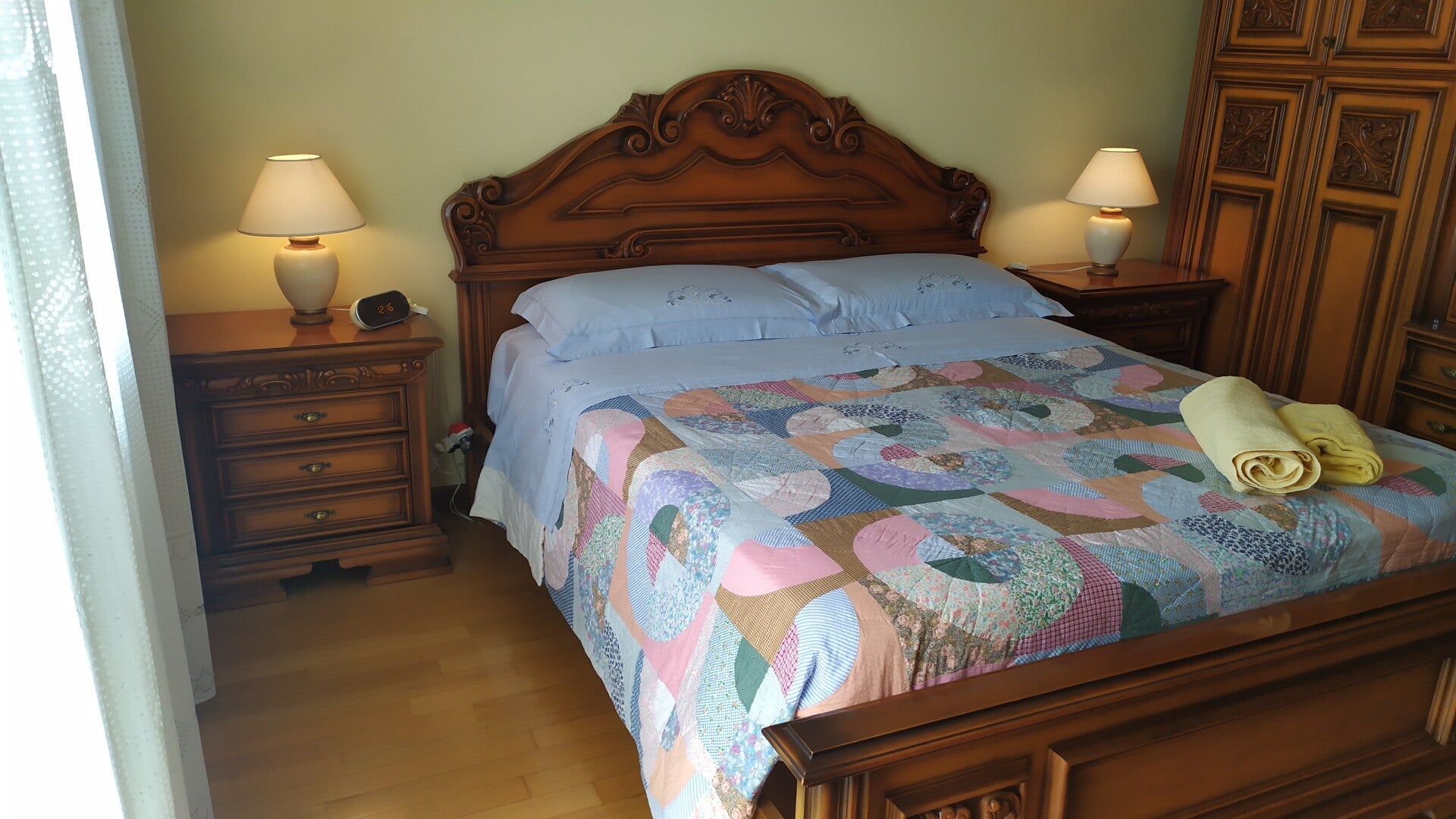
Casa Luna: comfort and total autonomy in a spacious double bedroom for a stay of pure relaxation just a few steps from the thermal baths.
❓ Frequently Asked Questions (FAQ) on Thermal Baths and Nervous System
Q: How do Montegrotto thermal waters reduce stress and cortisol?
Immersion in hyperthermal salt-bromine-iodine waters at a temperature of 36°C–38°C inhibits the hyperactivation of the hypothalamic-pituitary-adrenal (HPA) axis. This process reduces the concentration of cortisol (the stress hormone) in the blood and saliva, deactivating the body's alarm response and activating the parasympathetic nervous system responsible for rest and recovery.
Q: Which hormones and neurotransmitters are stimulated during a thermal bath?
The combination of heat and hydrostatic pressure prompts the pituitary gland to release $\beta$-endorphins (potent natural analgesics and sedatives) and promotes the synthesis of serotonin, which stabilizes mood and gives a widespread feeling of serenity.
Q: Why do thermal baths help improve sleep quality?
The temporary increase in core body temperature during the thermal bath, followed by the cooling phase and cutaneous vasodilation, sends a direct neurobiological signal to the brain that stimulates spontaneous melatonin production. This favors falling asleep and lengthens the phases of deep sleep (NREM).
Q: What is the "Blue Mind" effect?
Coined by neurobiologist Wallace J. Nichols, the term Blue Mind identifies a state of tranquility, meditation, and brain regeneration induced by visual, tactile, and auditory contact with the element water. At thermal spas, it reduces brain fog and screen fatigue.
Q: Where can I stay in Montegrotto Terme to experience this in total autonomy?
Casa Luna is the ideal solution for families and groups: an independent apartment with 3 large bedrooms located just 100 meters from Montegrotto train station and a few steps from the thermal facilities. Booking directly on our official website www.casaluna-montegrotto.com allows you to take advantage of an exclusive 15% discount compared to booking platforms (OTAs).
"Do you want to delve into the science behind your rebirth? Download our 10-page guide and unlock the exclusive benefits of the Club Casa Luna."
ead the Pillar article: "Beyond Relaxation: Holistic Rituals and Philosophy of Well-being"
Back to the category: "Well-being and Spas"
Aggiungi commento
Commenti